








About a month ago, I wrote a Professional Wednesday post about how I was somewhat stuck creatively. I felt stagnant, unable to kick myself into motion when it came to writing new material. Then, about a week ago, I posted a very, very brief excerpt from my current work-in-progress on social media, along with a comment about how much fun I am having with this new book.
It’s not that I now find myself “unstuck,” and it’s not that I was lying about having fun with the latest project. I have been in a place recently where both things are true. I still feel that I’m struggling to be as productive creatively as I would like to be, and I also have been enjoying the small amount of writing I have managed to get done.
Late last week, though, I stumbled on a possible cause for my sluggish work pace.
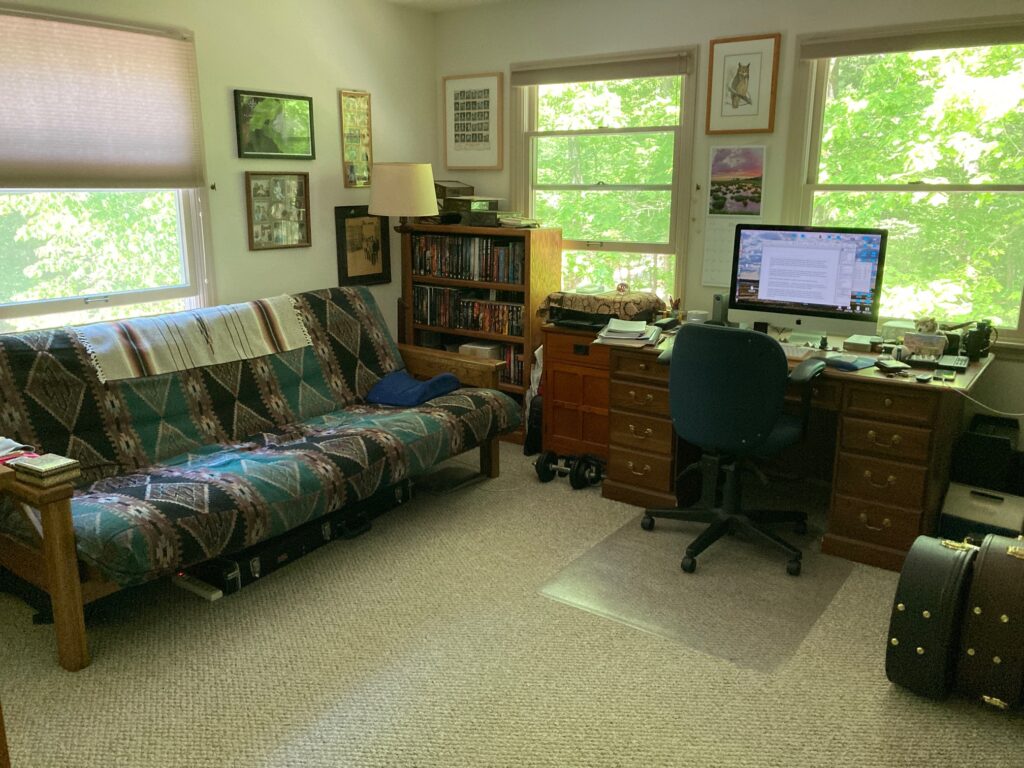
It might have been last Wednesday — I walked into my office, feeling ready to work, and as I entered the room, I felt all the air go out of me. The space was a complete wreck. It was cluttered and messy and filled with too much stuff that I neither needed nor wanted.
This didn’t happen overnight, of course. This was months, even years of accumulated crap finally intruding enough upon my consciousness to make me take note of it. Once I saw it, I couldn’t unsee it, if you know what I mean. I became aware of it, and then I could hardly get myself to think about anything else. Everywhere I looked, there was a jumble of junk waiting to be dealt with.
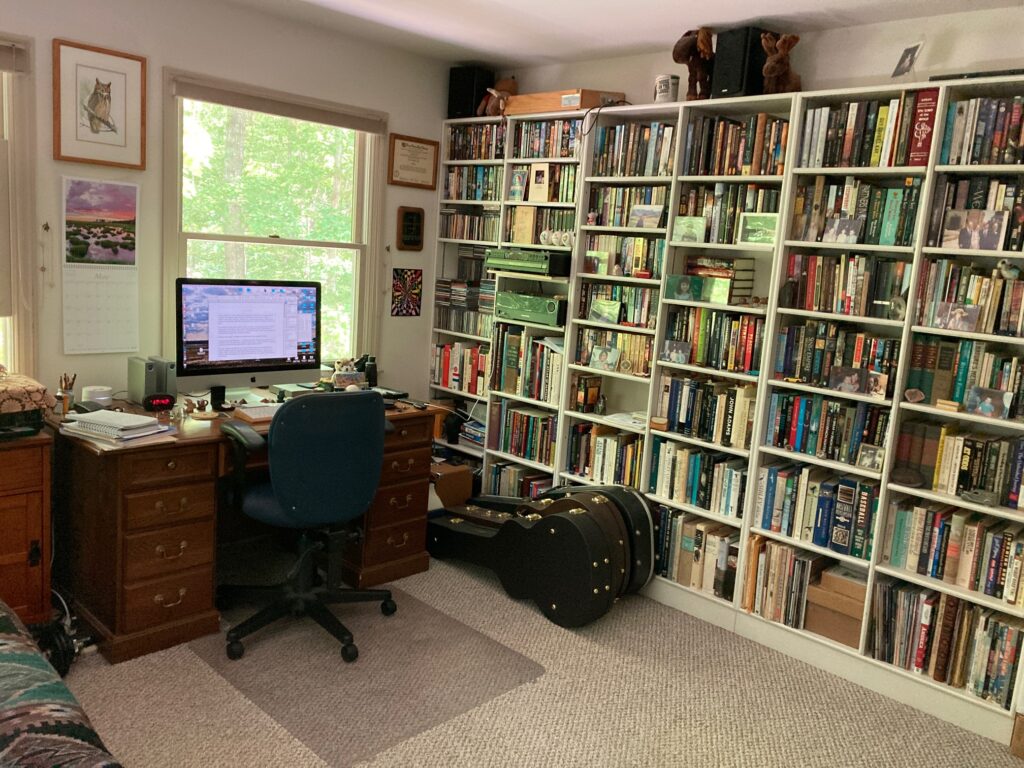
And so began several days of throwing out, cleaning up, rearranging, and neatening. I went through bookshelves and donated close to one hundred volumes to a local library. I went through collections of old magazines, clipping articles I wanted to keep and recycling the rest — enough to clear two complete shelves. I vacuumed and straightened and tossed stuff away. I was brutal, keeping only those things I really thought I would need/want going forward.
Mostly, I carved through all that mess and junk, recreating my office. Don’t get me wrong: to the average person walking into the office off the street, it would still look cluttered. I still have lots of crystals and geodes on my shelves, next to photos of my family and various small gifts given to me over the years by Nancy and the girls. But compared to how bad it was, it’s now pretty Spartan. Most important, I am left with a work space that feels clean and efficient and work-ready.
That last is really the point. When I mentioned to Nancy, during a break in my work on Saturday, how refreshing it felt to throw stuff away and reclaim my space, she reminded me that while she was still teaching, before her administrative duties claimed what was left of her spare time, she used to clean out her office at the end of every school year. That was the only way she could be productive with her research during the summer months. I had the sense she had been wondering for some time how I could possibly function in what my office had become . . .
Obviously, I don’t know yet if my cleaner, sparser office will result in greater productivity. Time will tell. But as I write this, I am already enjoying my surroundings and looking forward to diving back into the WIP, which I find promising.
So, if you are stuck with your work right now — if you’re distracted, if retreating to your writing nook is not yielding the sort of productivity you’re used to, maybe you need to pause and take a look around. Is your space as functional and comfortable as you would like it to be? Is the clutter around you cluttering your thoughts as well? Is it time to reinvigorate your creativity with a spring cleaning? Or, even if things in your work world aren’t as messy as they were in mine, is it possible that just rearranging the space might help stimulate your writing mind?
Our work environments are hugely important and also incredibly easy to take for granted. As I said early, the entropy that tends to envelop such spaces doesn’t happen overnight. It’s a gradual process, one that can sneak up on us. It snuck up on me, until finally I couldn’t help but notice. Maybe it’s done the same to you.
If so, you know what you have to do.
Get cleaning! And then, keep writing!!
 After publishing
 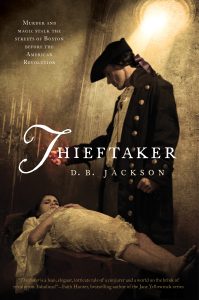 I would love to be a bestselling author. And with each new project I take on, I wonder if this might finally be the literary vehicle that gets me there. Thieftaker, Fearsson, the time travel books, the Radiants franchise. I had high hopes for all of them. All of them were critical successes. None of them has taken me to that next level commercially. So does that mean I should give up?
 The difference between what I did with those two projects and what I am telling you not to do is this: I kept working on these books, but I also moved ahead with other projects, so that I wouldn’t stall my career. Yes, I worked for six years on the first Fearsson book. But in that time, I also wrote the Thieftaker books and the Robin Hood novelization. This, by the way, is also the secret to finding that balance I mentioned. By all means, keep working on the one idea, but do so while simultaneously developing others. Don’t become so obsessed with the one challenge that you lose sight of all else.
 One of the great delights of writing historical fiction is the opportunity to leap into research and go bouncing off into every conceivable rabbit hole—er, to do a deep dive into a specific time, place or topic which will provide the backdrop for the story you have in mind. Unless you’re already a historical specialist in that area, doing the research is likely to consume a lot of time, attention, and other resources.
 And when it comes to writing, I am in something of a rut. The last novel-length piece I wrote beginning to end was Invasives, the second Radiants book, which I completed (the first draft at least) eleven months ago. Eleven months!
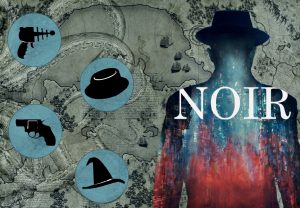 Mostly, as I say, I’ve been editing. My work. Other people’s work. The Noir anthology. I’ve been plenty busy, but I have not been as productive creatively as I would like. And I wonder if this is because of
 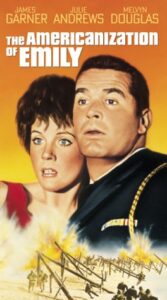 Hidden Gem movies: Two entries here, too, both of them idiosyncratic. But that’s the point, right? The first is a film from 1964 called The Americanization of Emily. It is a war movie set during World War II, but it will turn your expectations upside down as it rejects normal images of heroism and wartime valor. The cast is great — Julie Andrews in the title role is terrific. She’s worldly, sassy, and a long, long way from Mary Poppins and Fräulein Maria. James Garner, a favorite of mine, is her love interest, and is not at all the usual romantic lead. James Coburn and Melvyn Douglas are strong in supporting roles.
 Confession #1: I play Bejeweled Blitz on my phone. I play it a lot, and I have been addicted to it for years. I have enough gold bars and coins piled up to make Warren Buffett envious. I have so many free gems wracked up that I could play for weeks straight, without pausing for meals or sleep, and never have to pay for a gem with any of those hoarded coins. It’s a bit of a sickness, actually. But I do enjoy it.