The first fireworks display I remember with any clarity came on a Fourth of July when I was three or four years old. My family had gone to the park in town where the fireworks displays took place each year, and we were sitting with our neighbors, including the high school student who babysat me when my older siblings were unavailable.
I was terrified of the big booms, and I cowered on my babysitter’s lap, my eyes closed, wishing this nightmare would end. Until she convinced me to look at just one.
It was magical! The colors! The patterns! Even the resonance of the explosions in my chest. From that day forward, I was hooked, and I have been ever since.
Anyone who knows me, knows that my politics track well to the left of center. On no issues am I more committed or more radical in my advocacy than those pertaining to the environment. And so, as environmental groups and activists, including some in our little town here on the Cumberland Plateau, turn more attention to the negative environmental impacts of fireworks, I find myself in the uncomfortable position of having to choose between fighting against something I love, or making myself look like a hypocrite.
This one time, I’m embracing hypocrisy. Hear me out.
First, let me acknowledge the obvious. Fireworks ARE bad for the environment. They release greenhouse gases into the atmosphere. They pollute the air with particulate matter, and, because those lovely colors are produced by the burning of different elements, including heavy metals and other toxins, they pollute our water and soil as well. They are incredibly loud, and so can be deeply disruptive to local wildlife, not to mention being harmful to our pets and to livestock. And, with drought impacting more and more of the U.S. every year, we can’t ignore the significant fire danger posed by fireworks.
In short, they are pretty much a nightmare, and at some point, as we continue to fight the effects of global climate change, we will probably need to get rid of them altogether. But we are nowhere near that point yet, and, in fact, trying to get rid of fireworks now could actually set back the cause of environmental protection.
Again, hear me out.
All the fireworks used in the United States in a single year, including displays put on by municipalities as well as those set off by private citizens, emit about the same amount of greenhouse gas as 12,000 gas powered automobiles do on average, over the course of a year. Which sounds like a lot, until we place the number in context. There are 276 million automobiles in the U.S., which means that the entire universe of fireworks in this country emits less than 0.00005% of what cars produce. Put another way, if we could come up with technology that reduces car emissions by one percent — just one percent! — the reduction in our nation’s carbon output would be 20,000 times more than what a total ban on fireworks could accomplish.
What about the particulate matter in our air, the heavy metals and toxins in our water and soil, the sheer solid waste of all those fireworks casings made out of plastic and cardboard and paper? Yes, the harm from fireworks is real. But as with greenhouse gases, the contribution of fireworks to all of these problems is minuscule when considered against the scale of industrial pollution in the U.S., or automobile pollution, or household waste production, or any number of other causes of environmental degradation.
Aiming our ecological ire at fireworks is foolishness. It is virtue-signaling en masse. It is like ordering a double-patty bacon cheeseburger, a super-sized container of curly fries, and a huge slice of New York cheesecake, and then also asking for a Diet Coke.
Worse, it is politically stupid. Progressives could come up with a comprehensive, scientifically sound, guaranteed-to-address-the-problem legislative package to combat climate change, and if it included a ban on fireworks that would be the only thing Fox News and the Republicans would focus on. “Liberals want to ban your fireworks!” “Liberals have declared war on the Fourth of July!” “Liberals hate America for winning our independence!”
The fact is, progressives have, again and again, come up with comprehensive, scientifically sound, guaranteed-to-address-the-problem legislative packages to combat climate change, and always the right-wing climate deniers have latched onto the one element of the plan that is a) least significant, and b) easiest to parody and misrepresent. “Liberals want to keep you from eating hamburgers!” “Liberals want to replace your pickup with a bicycle!” “Liberals want to use climate legislation to turn America into a socialist hell-scape!” “Liberals want to make you compost your puppies!”
Okay, I made up that last one, but you get the idea. Banning fireworks gets us next to nothing. The impact would be minimal at best. And the cost to the larger cause of saving our planet could be far greater than this one step is worth.
So what should we do about fireworks?
Already governments across the globe, national, territorial, and municipal, are beginning to use drone and laser technologies to make celebrations less fireworks-dependent. We should do more of this. Displays that blend these newer approaches with traditional fireworks, have less impact on our land, water, and air. Moreover, many U.S. states already ban the purchase and use of fireworks by private citizens. More states should do the same. This would lessen fire danger while also lowering the amounts of smoke and pollutants we put into the environment. We would still get to see our fireworks displays and celebrate July 4th as we always have. We would just have to rely on public fireworks displays for our yearly fix of “rockets’ red glare” and “bombs bursting in air.”
That, it seems to me, is a reasonable sacrifice for the greater good.
Have a great week.
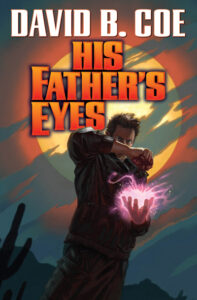
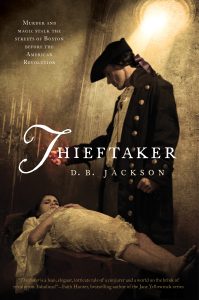 I would love to be a bestselling author. And with each new project I take on, I wonder if this might finally be the literary vehicle that gets me there. Thieftaker, Fearsson, the time travel books, the Radiants franchise. I had high hopes for all of them. All of them were critical successes. None of them has taken me to that next level commercially. So does that mean I should give up?
 The difference between what I did with those two projects and what I am telling you not to do is this: I kept working on these books, but I also moved ahead with other projects, so that I wouldn’t stall my career. Yes, I worked for six years on the first Fearsson book. But in that time, I also wrote the Thieftaker books and the Robin Hood novelization. This, by the way, is also the secret to finding that balance I mentioned. By all means, keep working on the one idea, but do so while simultaneously developing others. Don’t become so obsessed with the one challenge that you lose sight of all else.
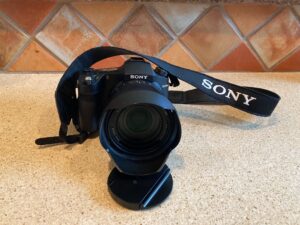 Anyone who has met me and/or read this blog knows I am an avid photographer. And I have a very nice camera, a digital SLR with several interchangeable lenses that I use for landscapes, portraits, macro, travel photography, and pretty much everything else. Pretty much.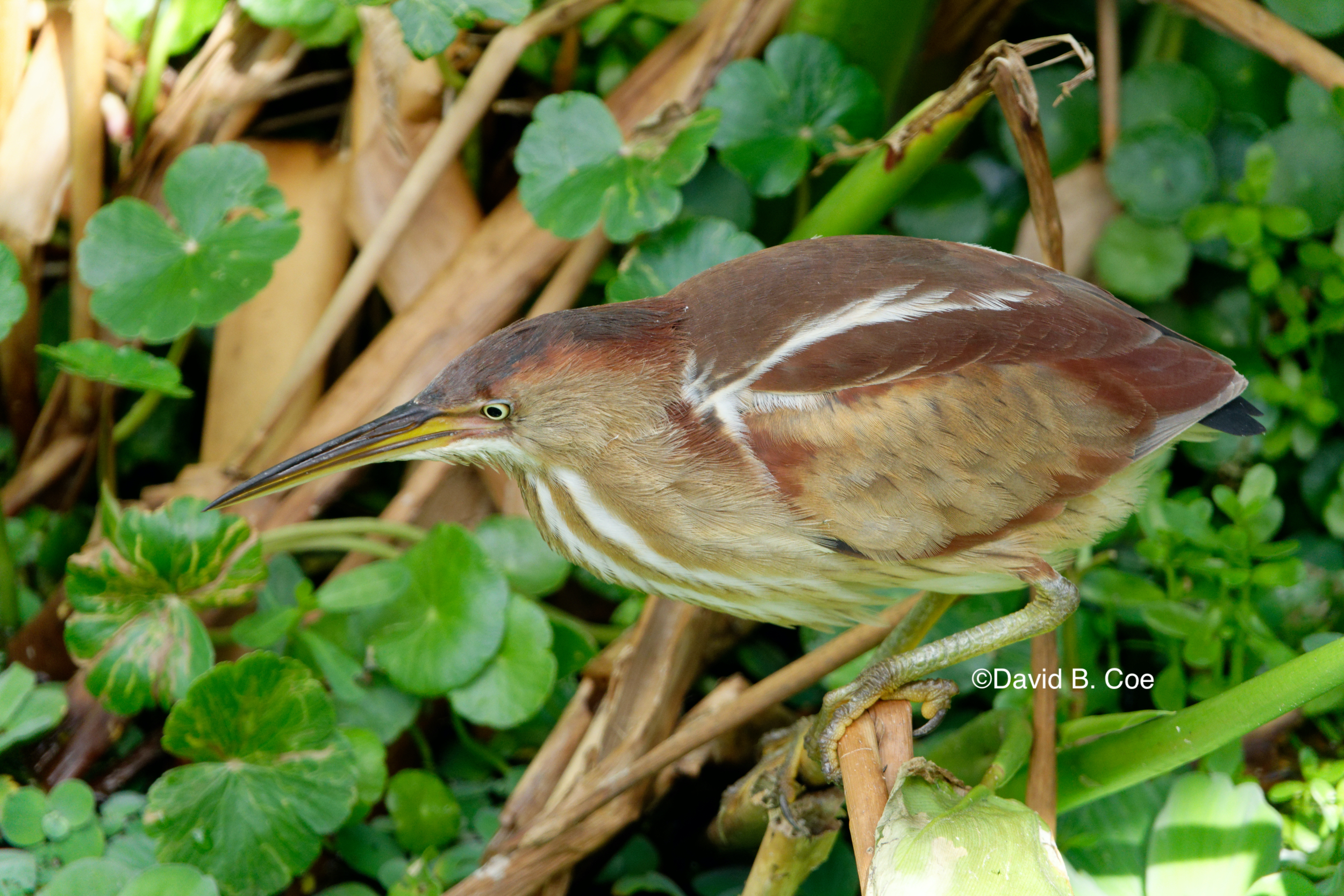
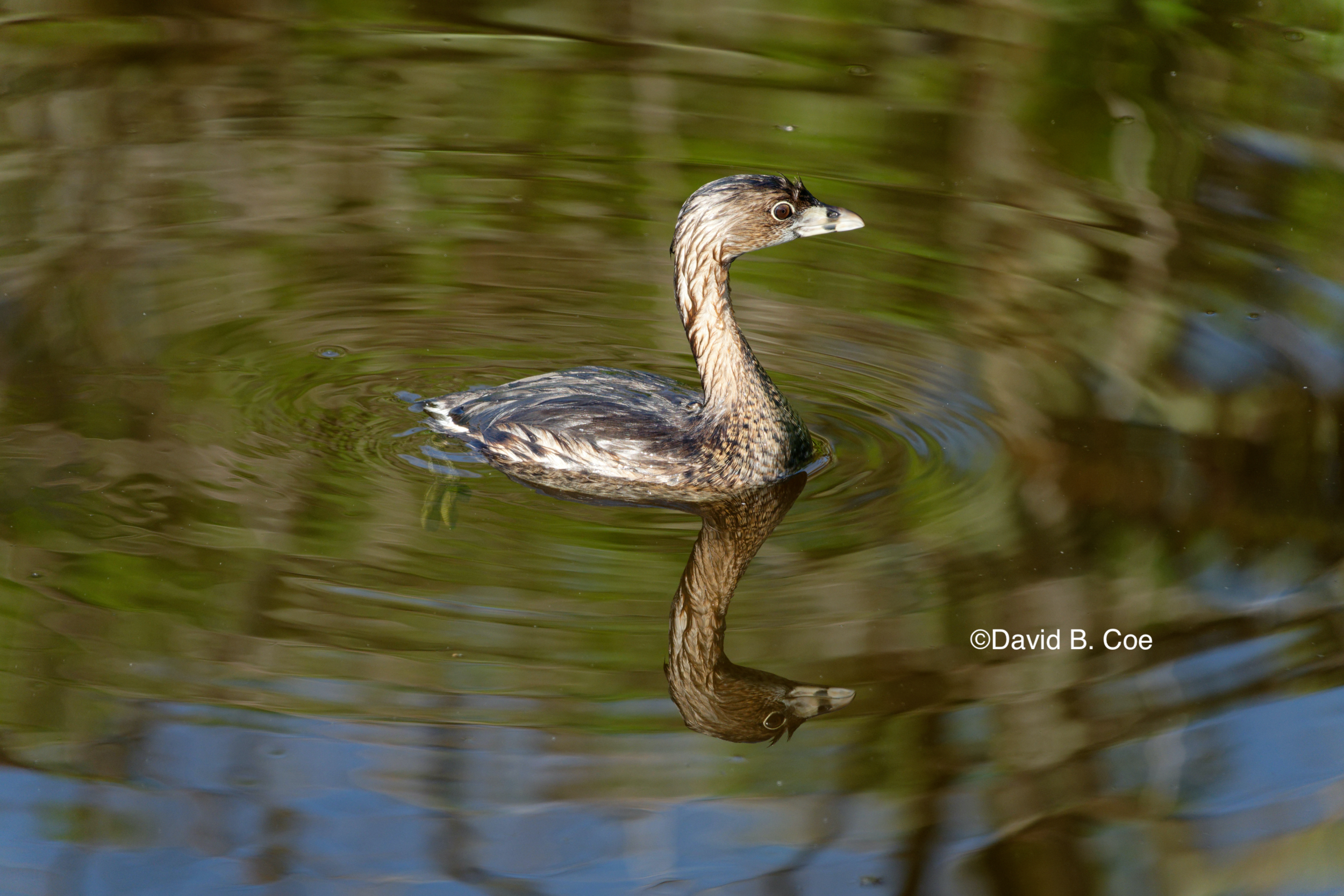
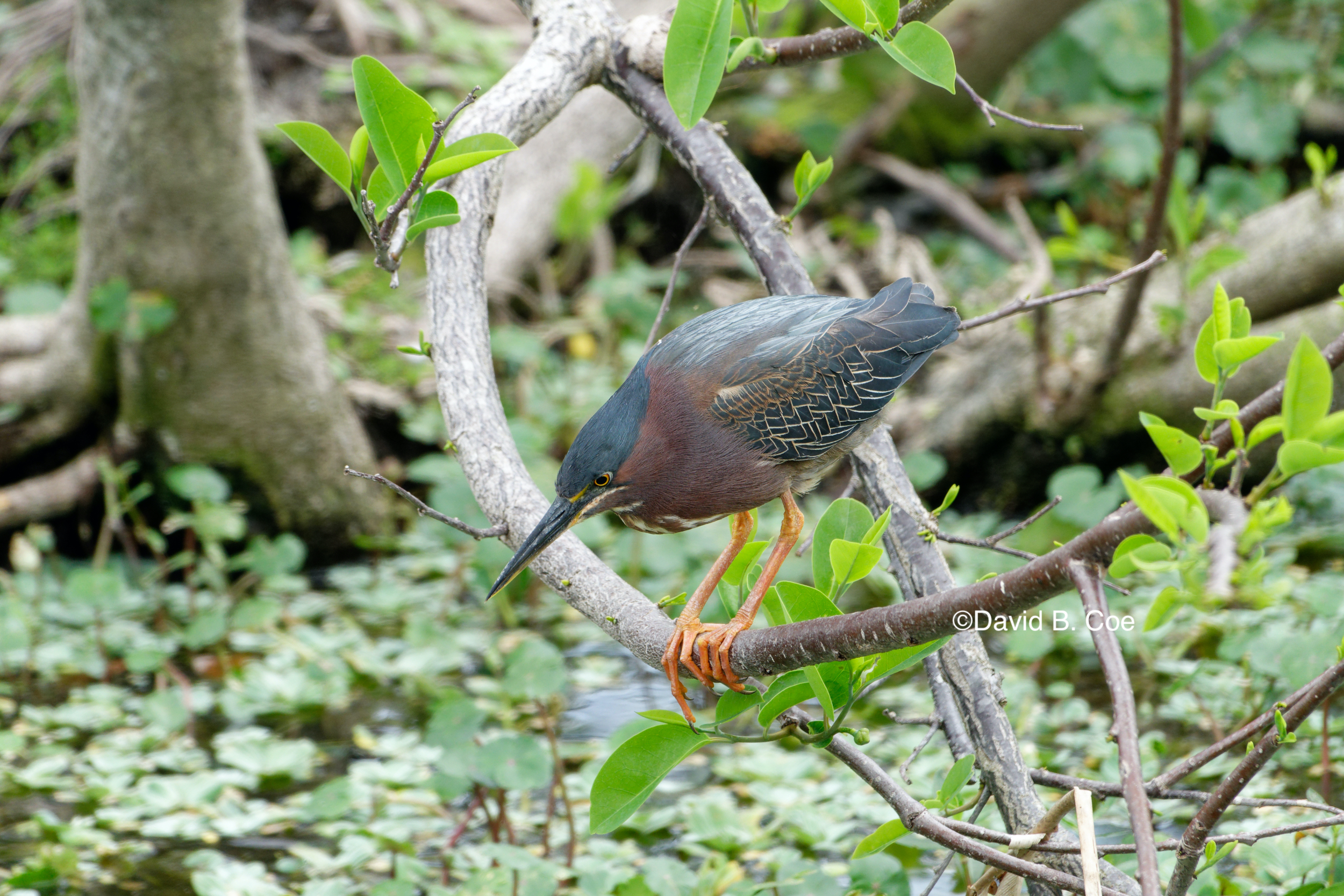
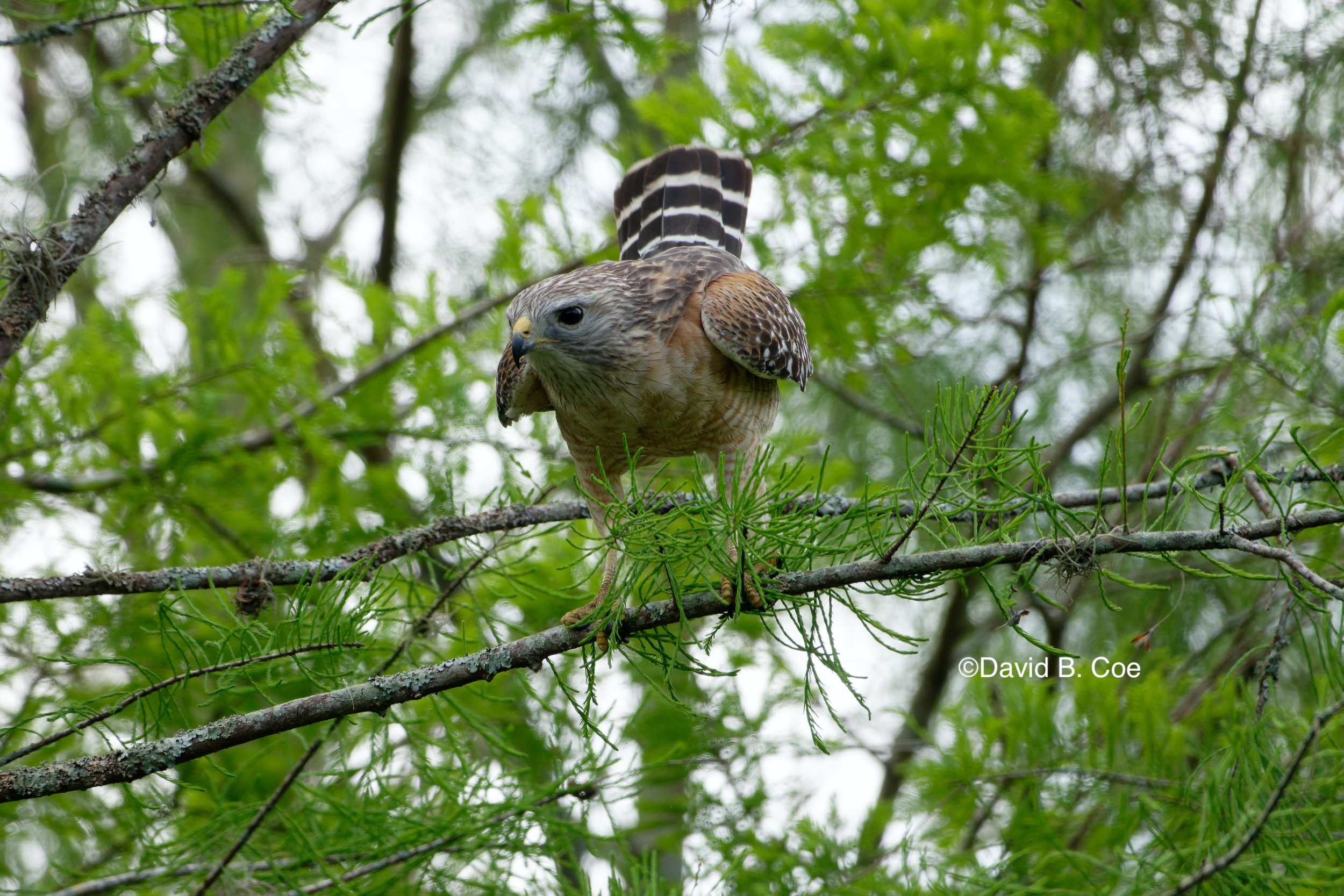
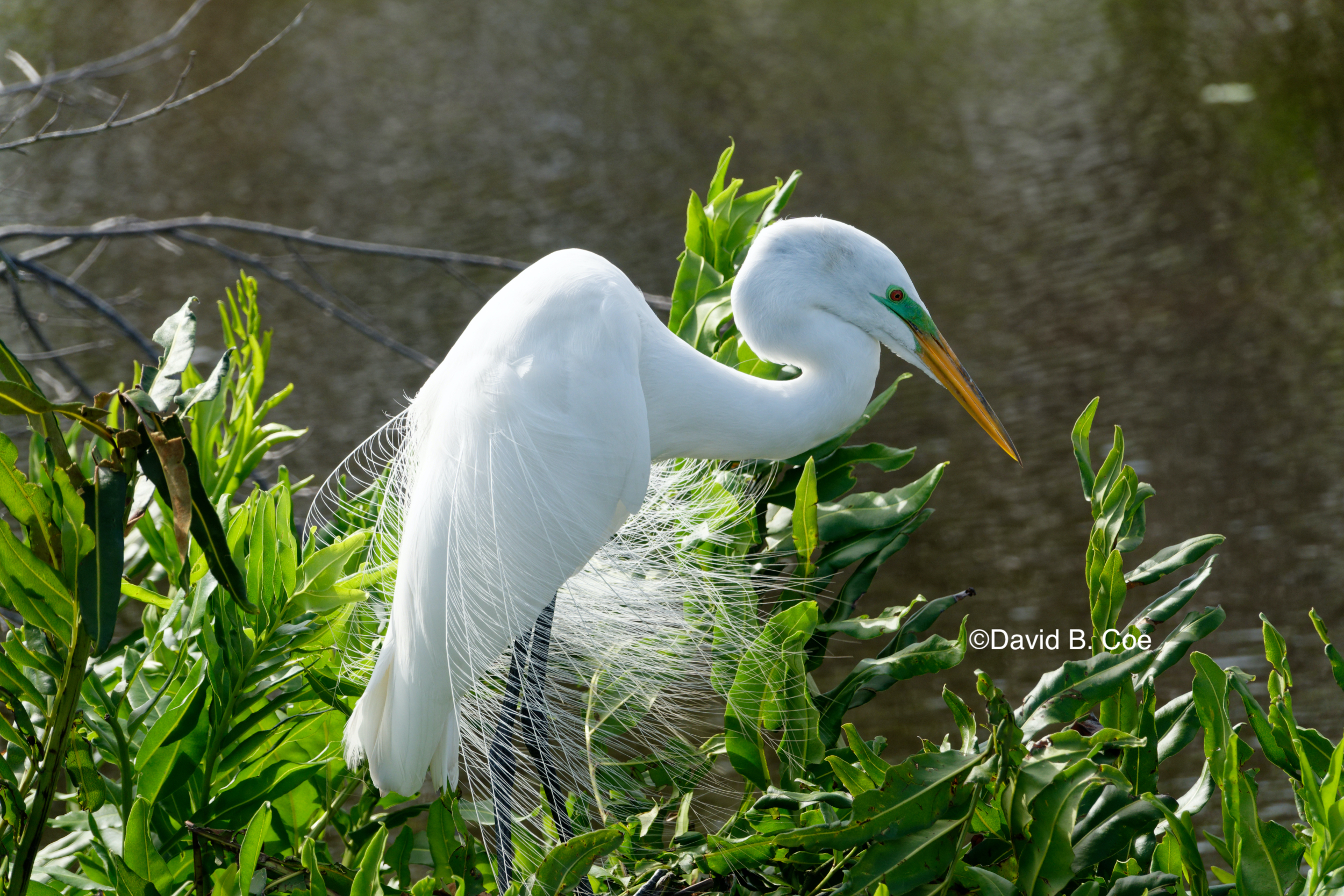
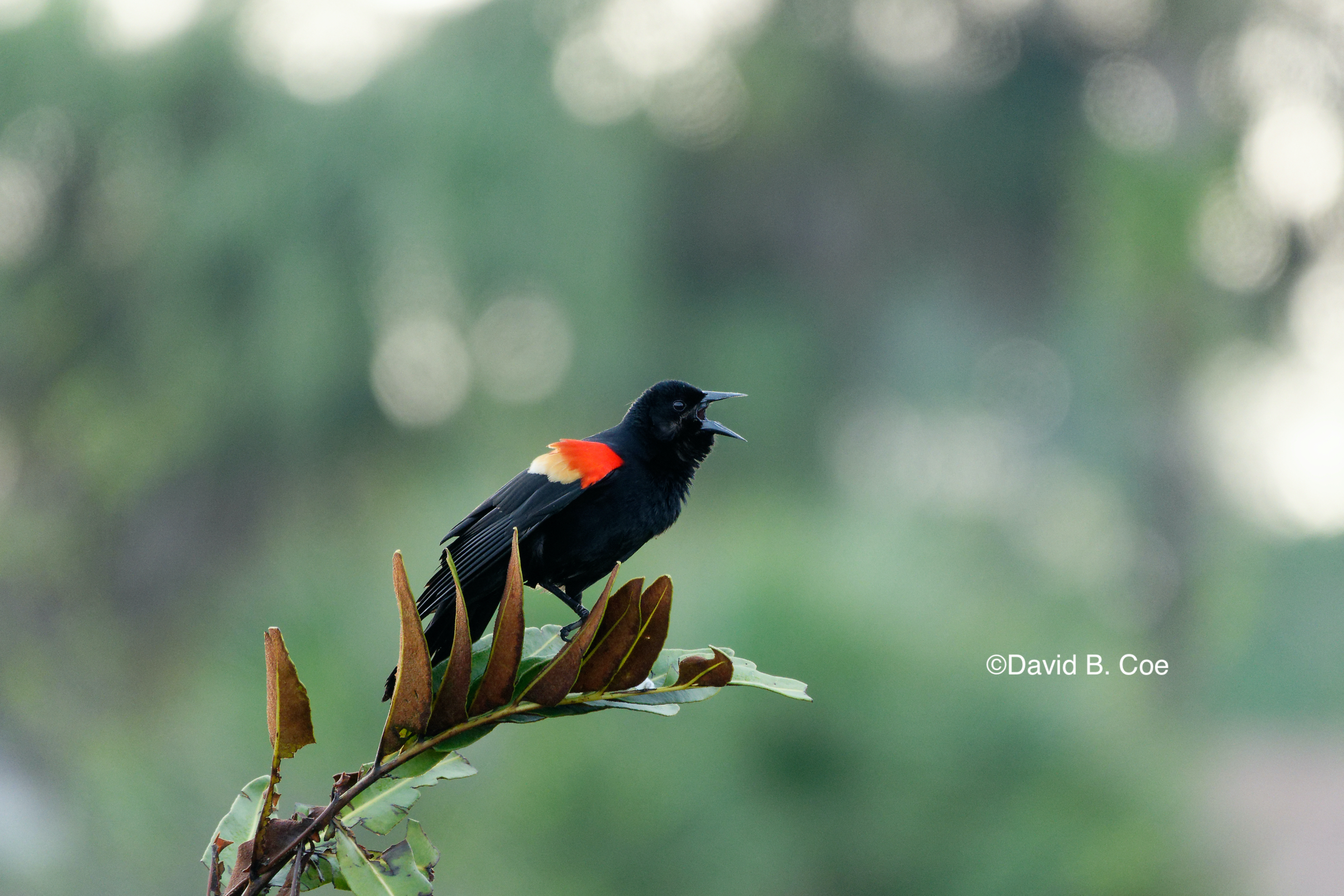
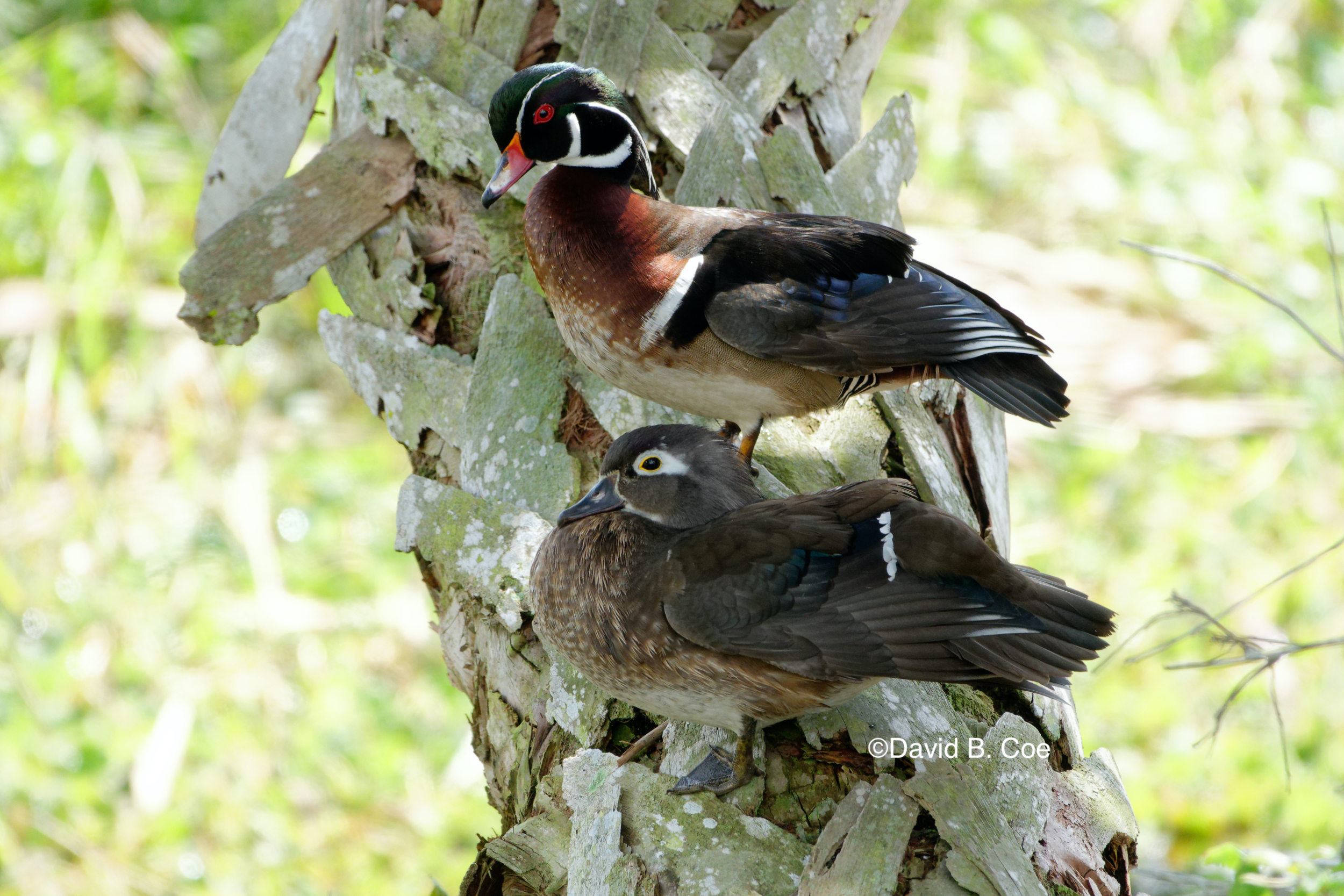
 As many of you know, I am a fairly serious photographer and have been for some time. I have shown in local galleries, sold photos out of those galleries, and had a few photographs published in magazines. The walls of our house are sprinkled generously with enlargements of my images.
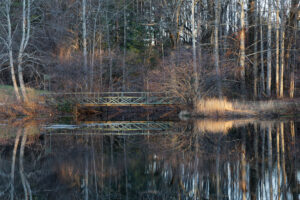 And now I have a new side hustle I’m working on, to go along with my book sales at conventions and such.
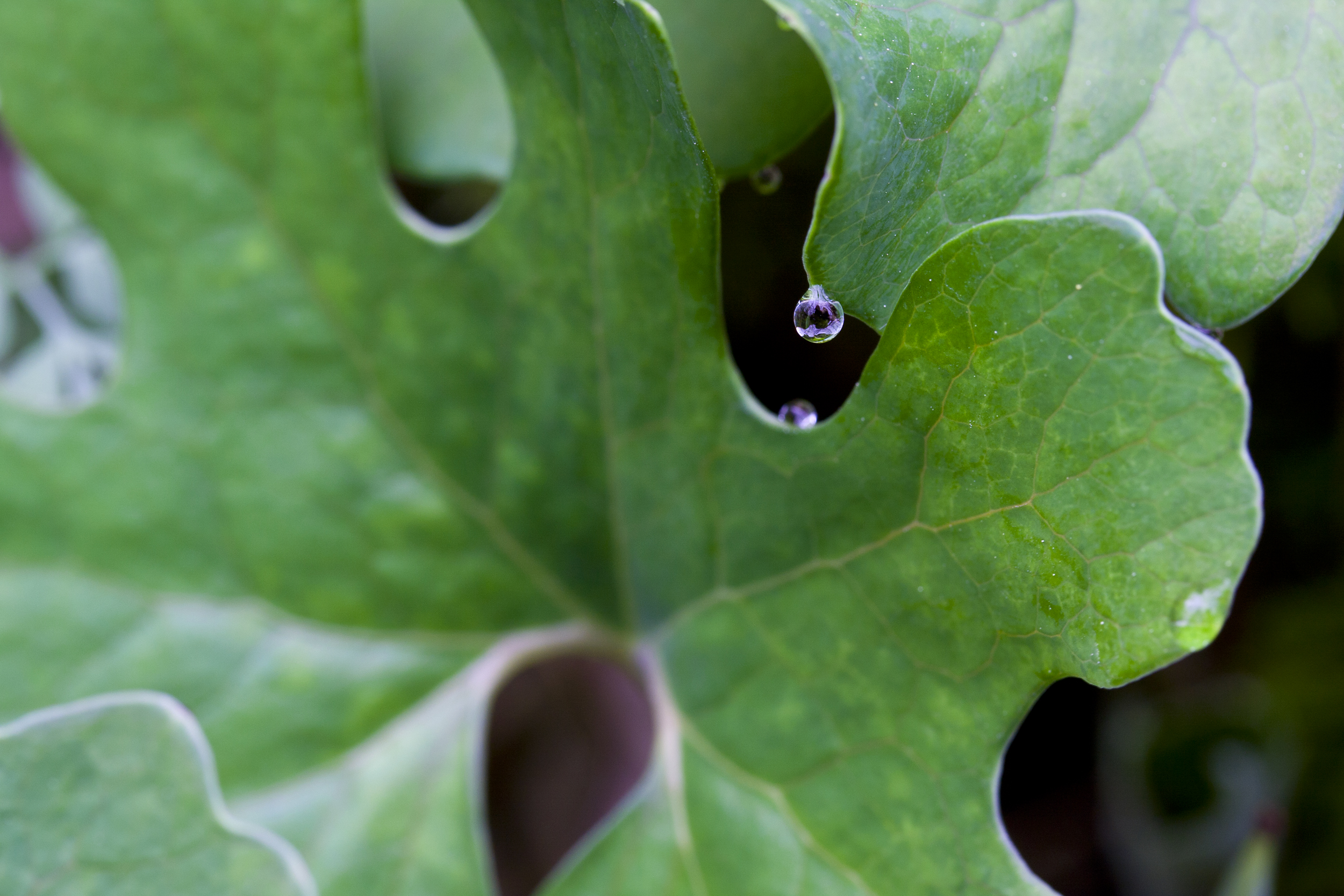
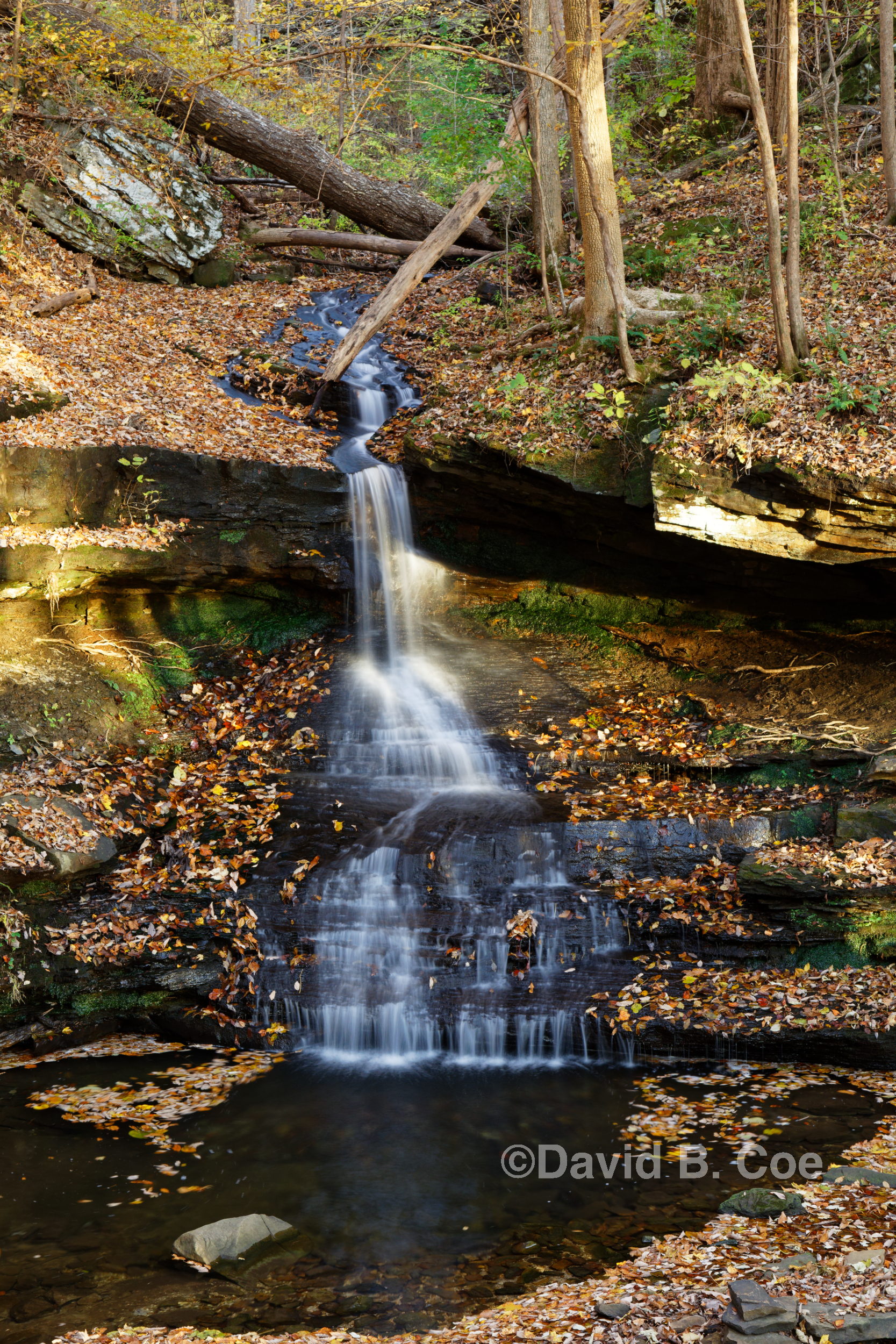
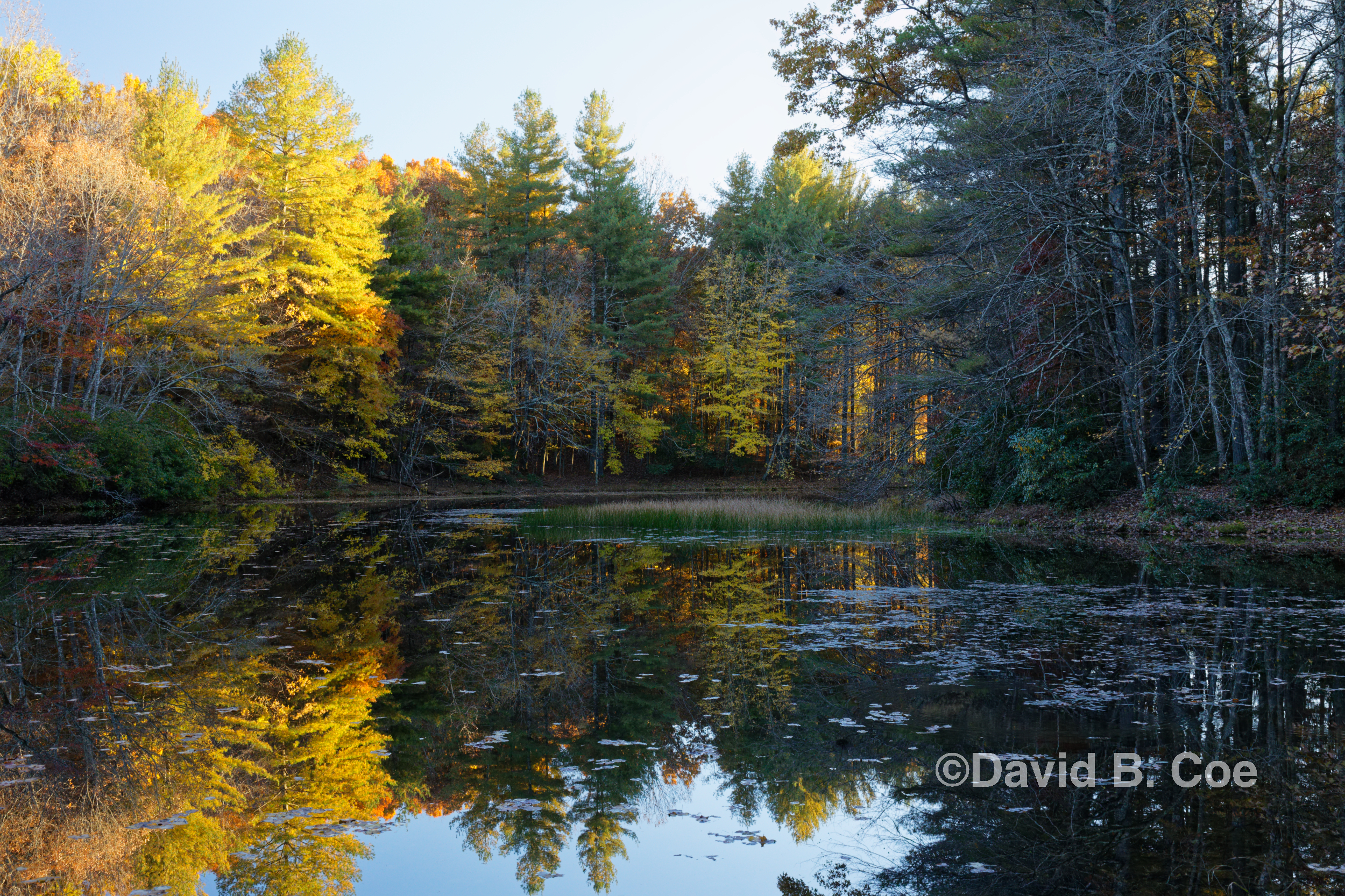
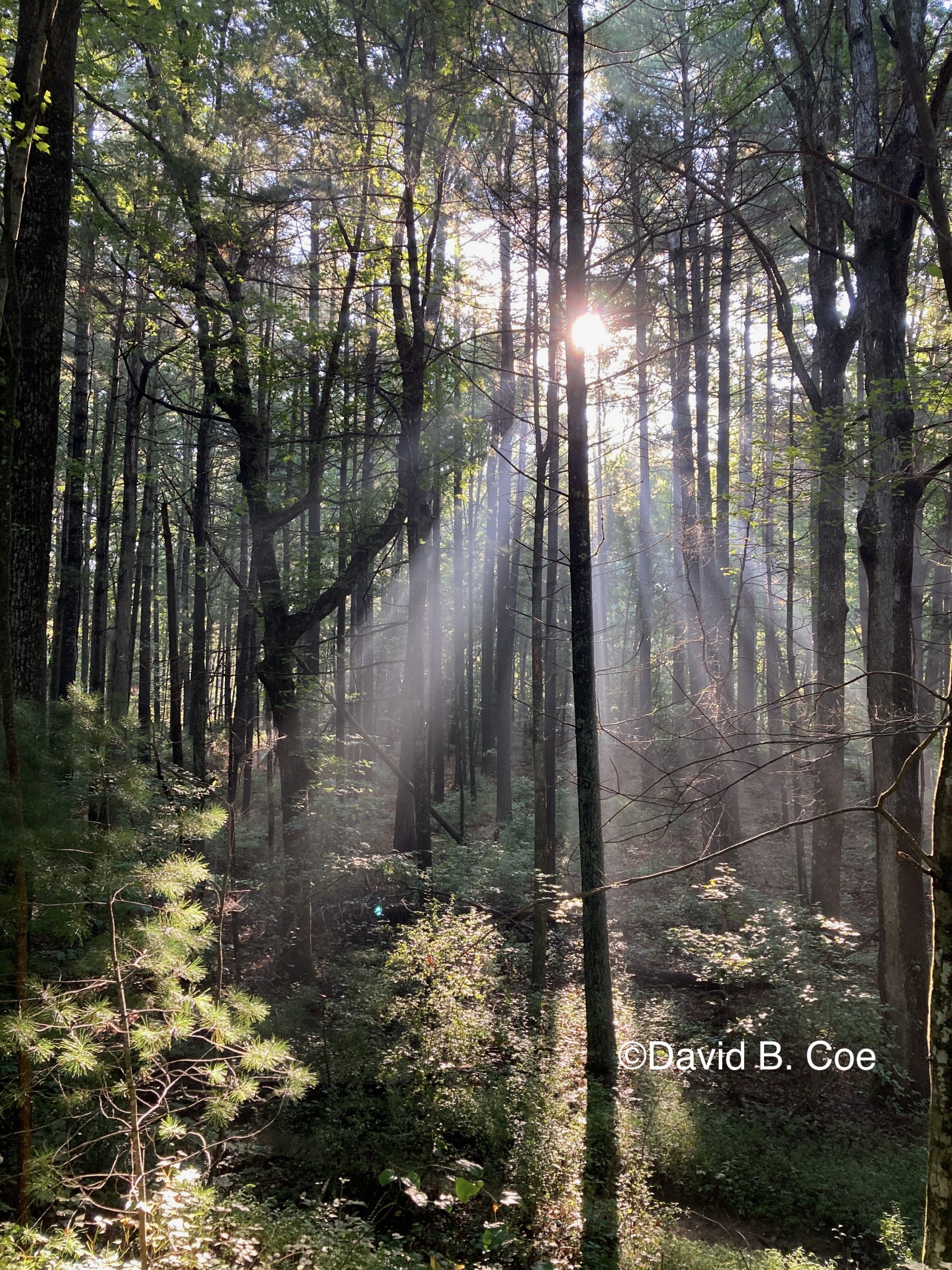
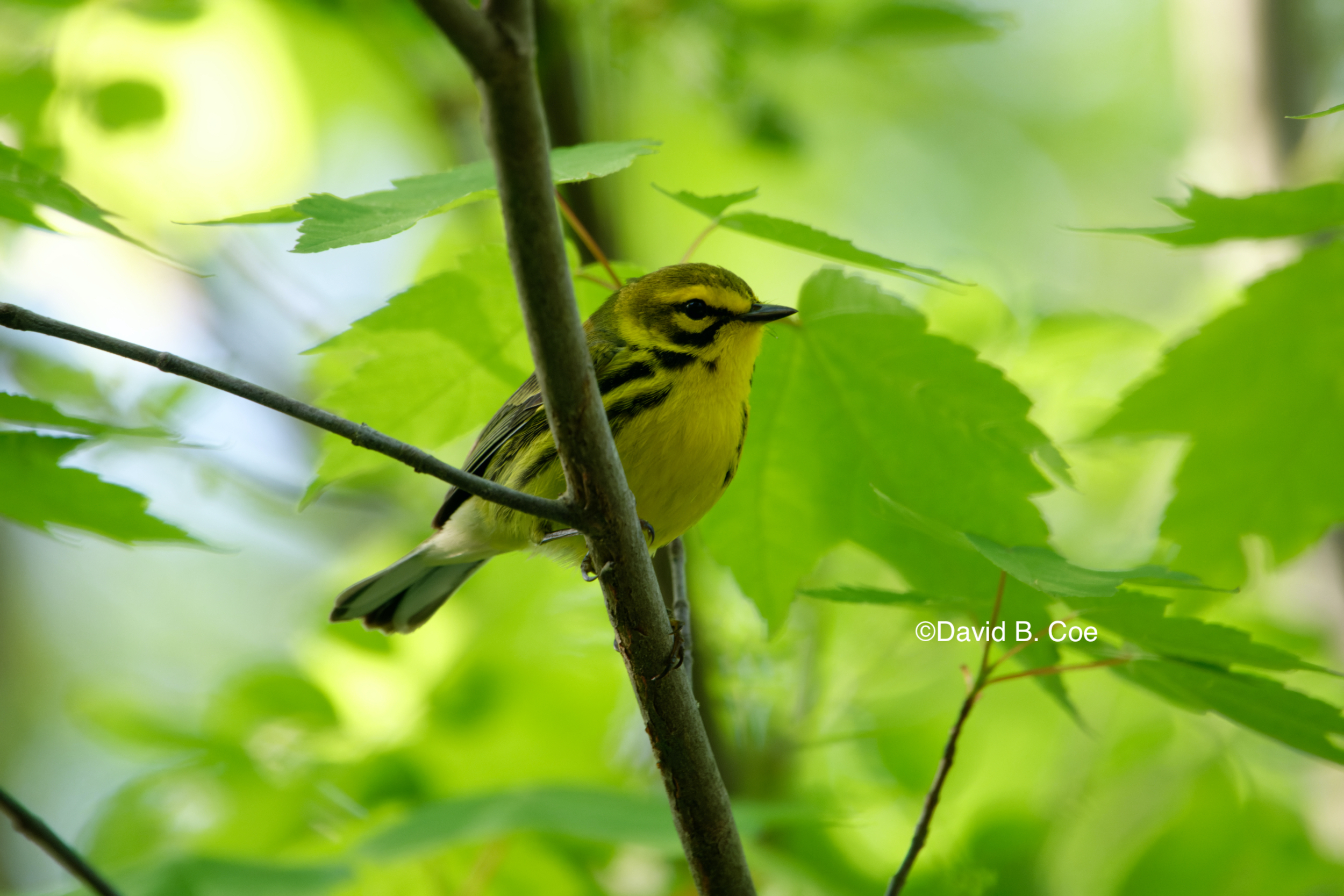
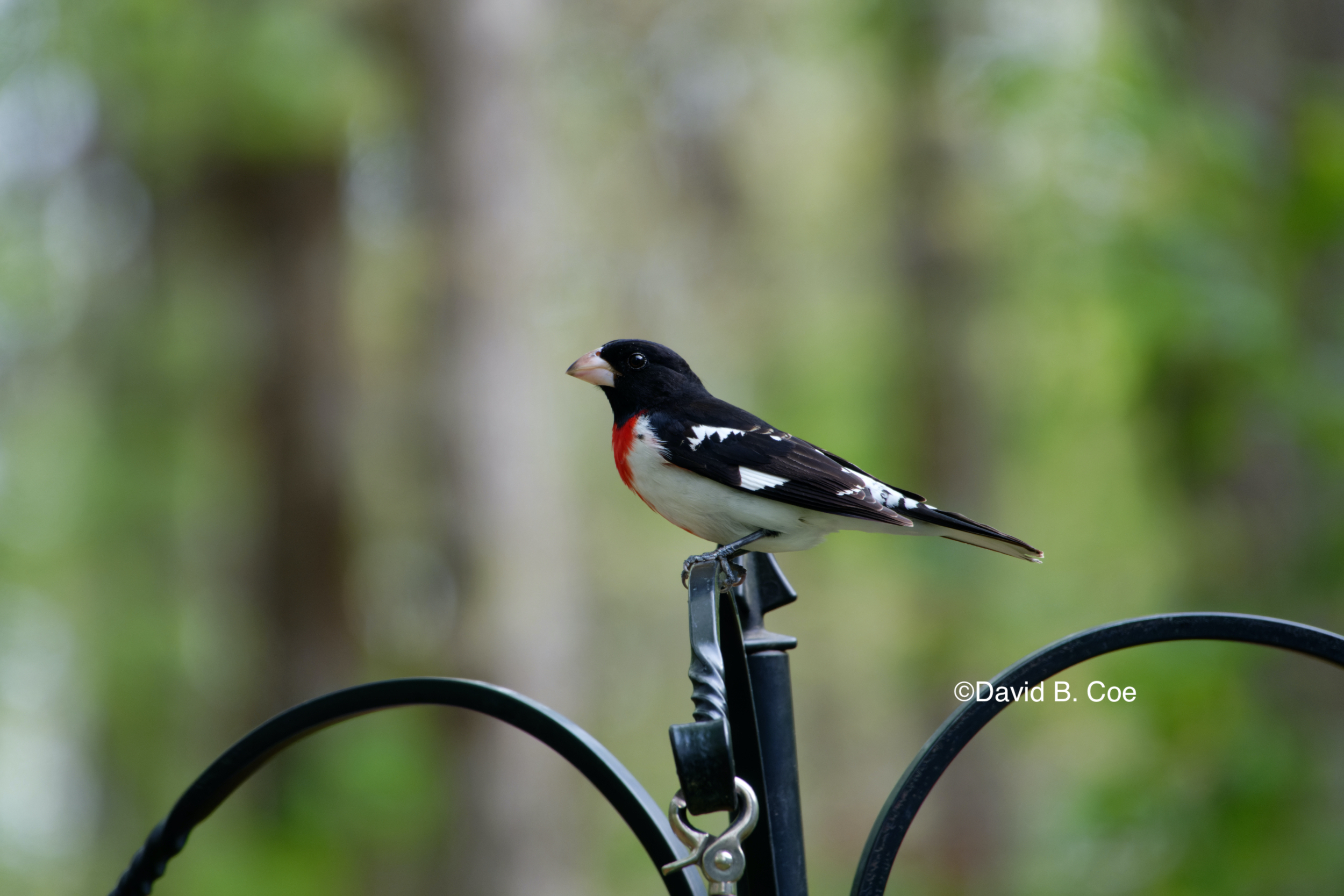
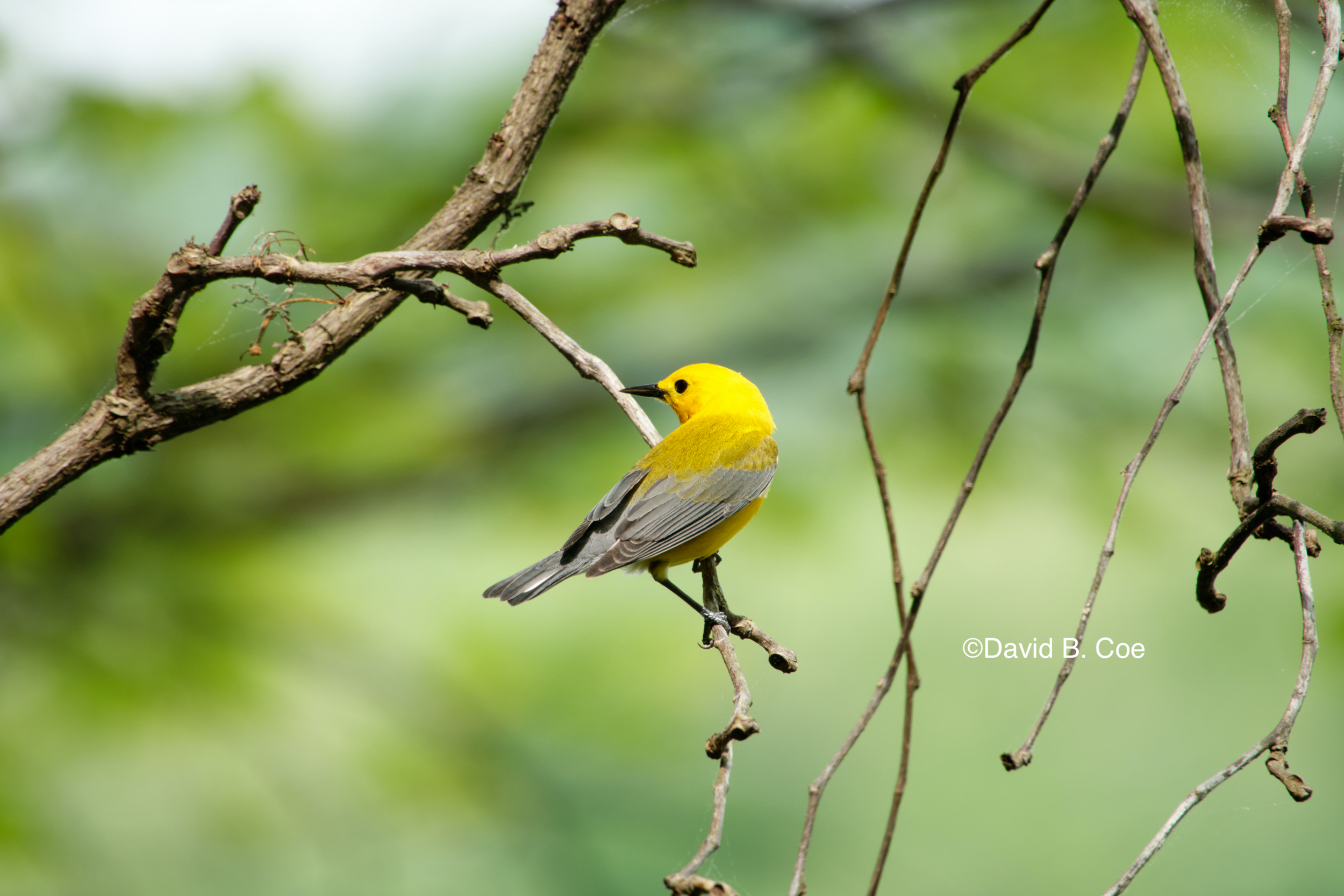
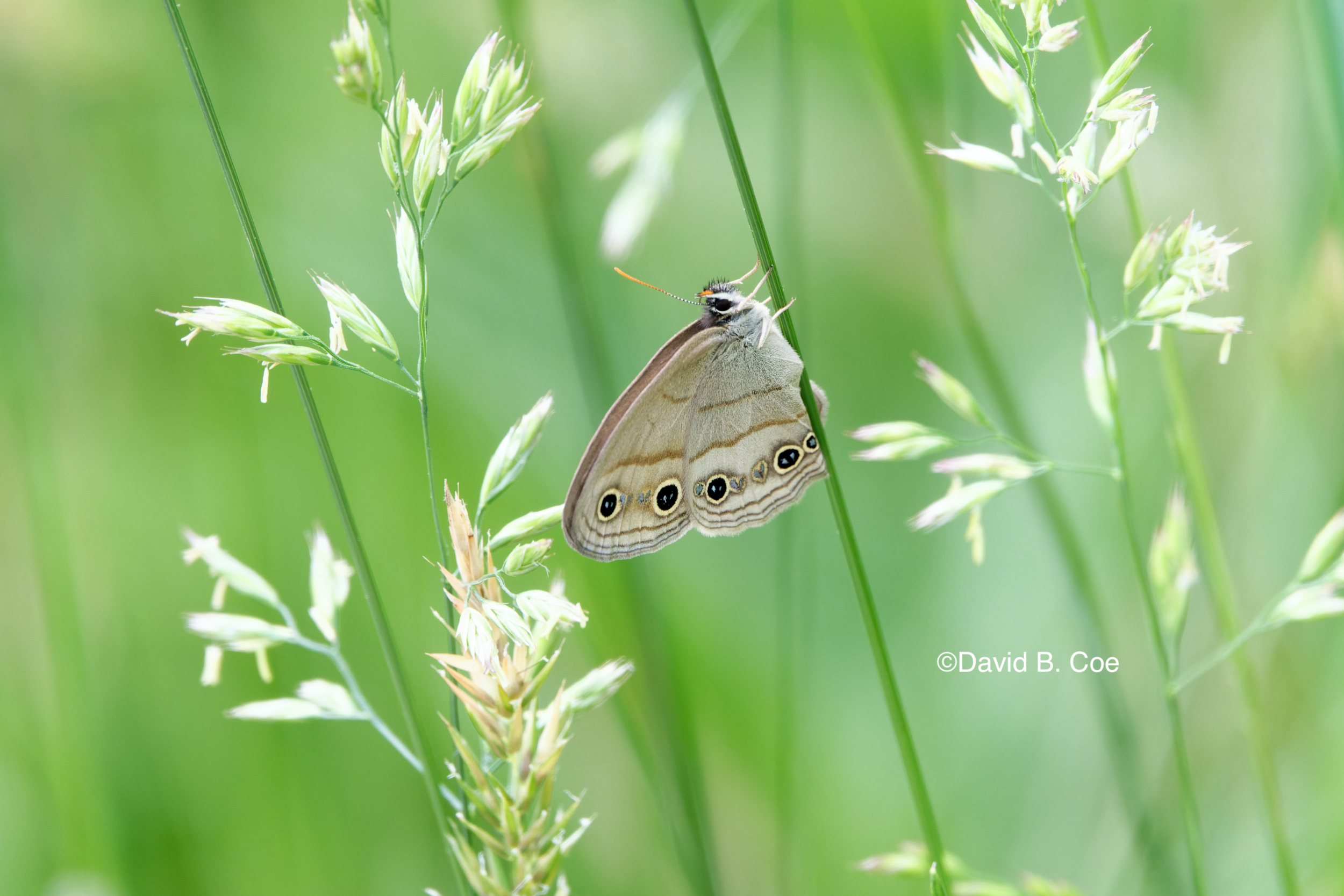
 The sets are themed. There are two sets of macro (close-up) images of wildflowers and other flora from the area where I live, on the Cumberland Plateau. Another set features images of butterflies, also from around my home. (Actually, thinking about it now, I think every butterfly image was taken in Nancy’s flower garden.) And finally, a set I call “Reflections” features images of the various lakes around our little town.
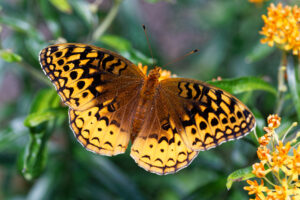 For some of you, I know, this venture will be of little or no interest. I totally understand. But I also know that for others among you, you might think these sets are pretty cool. I hope you enjoy them.
 Favorite of My Books: The most recent one I’ve written, almost always. Which is a copout, I know. Invasives, the second Radiants book, comes out in February, so it is the most recent I’ve written, and it is my current favorite. But in another way, my favorite is probably The Outlanders, the second book in my LonTobyn Chronicle, and my second novel overall. Why? Simple. When I began my career, I knew I had one book in me, but I didn’t know if I could write for a living. Upon finishing The Outlanders, I realized it was better than my first book, Children of Amarid, a book of which I was quite proud. It was much better, in fact. And I understood then that I was not just a guy who wrote a book. I was an author. I could make a career of this.