








Continuing my series of posts about “what matters” in the realm of professional publishing, I thought I would focus today on what matters during our public appearances. Attending conventions and writers’ conferences and workshops is an important part of being a professional. At a time when it’s tougher than ever to sell books, there is no substitute for interacting with fans and hand-selling our novels and stories. For better or worse, once we’re published and we start to gain a readership, we become public figures, and that can be a tricky role at first.
Some of the things that matter are really common sense. Others are a bit less intuitive. Let’s walk through a few of them.
The most important thing we can do as professionals is comport ourselves with dignity, with courtesy, and with sensitivity. Let me illustrate what I mean with a counter-example. Last year, on the final day of one of the conventions I attended, I sat on a panel with a group of fellow writers. Our panel moderator walked in late, and then, as they sat down, proceeded to tell an ugly, homophobic joke. I kid you not. It was like this asshole had been transported from the 1980s — their joke was so out of line, so contrary to the spirit of the convention and our genre, I could hardly believe it. Sadly, a few people in the audience laughed. Most of us — audience and panelists alike — offered no response at all; the atmosphere in the room was heavy and awkward for the next hour.
Now, it goes without saying that none of us should do what this person did. But they also shouldn’t do what I did, which was to sit there, so shocked by the inappropriateness of the moderator’s behavior, that I didn’t speak up and tell the person off. I should have. I feel terrible that I didn’t. If even one person in the room was personally offended — or worse, made to feel less than they are — then I failed them, as did my fellow panelists. (I did report the person to the convention, and hopefully this person will comport themselves differently going forward.)
What matters more than anything as a professional at a convention or other event, I would argue, is doing what we can to create a safe, healthy, informative environment for attendees and for our fellow professionals. We do that by being open to questions from and conversations with fans. We do that by bringing our best to each panel or discussion in which we participate — being engaged and energetic, speaking to the subject, sharing our enthusiasm and passion. We do that by being respectful of our audiences in all their diversity and individuality. Guys, we do that by being respectful of those with whom we interact, by not speaking over people, by not dominating discussions — in short, by not being total guys. If you take away nothing else from this post, keep these things in mind.
Some people who attend cons as professionals dress in a certain way. I know some pros who love to cosplay and they bring elaborate costumes to every event. I know other pros who wear nice jeans or even dress pants, and neat shirts. I know a very few pros who dress office casual. And I know pros who wear jeans and T-shirts. Honestly, this is a “doesn’t matter” thing to me. The answer to “how should I dress?” really ought to be, “however you’re most comfortable.” I tend to wear nice jeans and a plain t-shirt or button down. I don’t dress up, but I also don’t want to look like I don’t care. That’s what works for me. But as I say, in my view, there is no right or wrong here.
When I attend conventions, I arrive on time to my panels and readings and such, and I go to any sort of convention-wide event that the convention indicates to me they want me to attend. Some conventions don’t care if pros attend the opening ceremony, for instance. Some care a great deal. I make certain I know which is which for each convention. I make myself available in between panels, and, if it seems appropriate, will put in appearances in the con suite or other such venue. As I pro, I am there on someone else’s dime, and I am aware at all times that the attending fans have paid to be there, have, in effect, paid to see me and to have me there.
But I also know that I can’t over-extend myself. Attending a convention as a pro means being “on” during our public time, and that takes energy. We need to take care of ourselves by retreating to our rooms now and then, by allowing ourselves to unwind with professional friends for meals or coffees or beers. And we must also be able to say, politely but firmly, “I would love to chat with you — let’s set up a time — but right now I am having a private conversation with X.” Conventions are work. I love them, but they are work. They are also opportunities to connect with our professional colleagues, to network with them, and to talk shop. Those things matter as much as our public responsibilities, and we have to allow ourselves to take advantage of those opportunities.
In short, when I attend events in my professional capacity, I do what I can to be a good person, to be available, but also to take care of myself by carving out down-time and time with the people I care about and want or need to see.
I hope that’s helpful as you attend your professional events.
Keep writing!
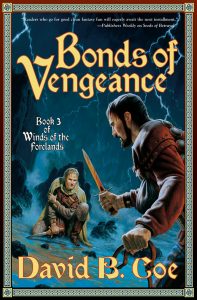
 What matters to me? Professionally, for this coming year, a few things. I have a series debuting in February. I want to promote the hell out of it. I want to feel at the end of the release windows — the weeks immediately preceding and following the releases of the three books — that I have done all I could to make the series successful. I also have an old series that I want to re-release. I’ve been talking about doing this for several years now, and each year I have found other projects to take up my time and energy. But this series, Winds of the Forelands, is one about which I am passionate. This is the year I bring it out again. It matters to me. And I want to start something new, a series that will take me in a new direction, I have resisted starting it for a couple of years, I believe because I am intimidated by the magnitude of what I’m taking on. It’s time to get over my hesitation.
 What about you? I’m not merely asking what you wish to accomplish, though obviously that’s part of the equation. I’m asking as well what you care about. Sure, maybe you want to be published — or at least contracted — by year’s end. That’s a laudable goal. But what project will get you there? What story is burning brightest inside you? What work will bring you joy? What project is most likely to tap into your greatest creative passion? That ought to be part of the equation as well.
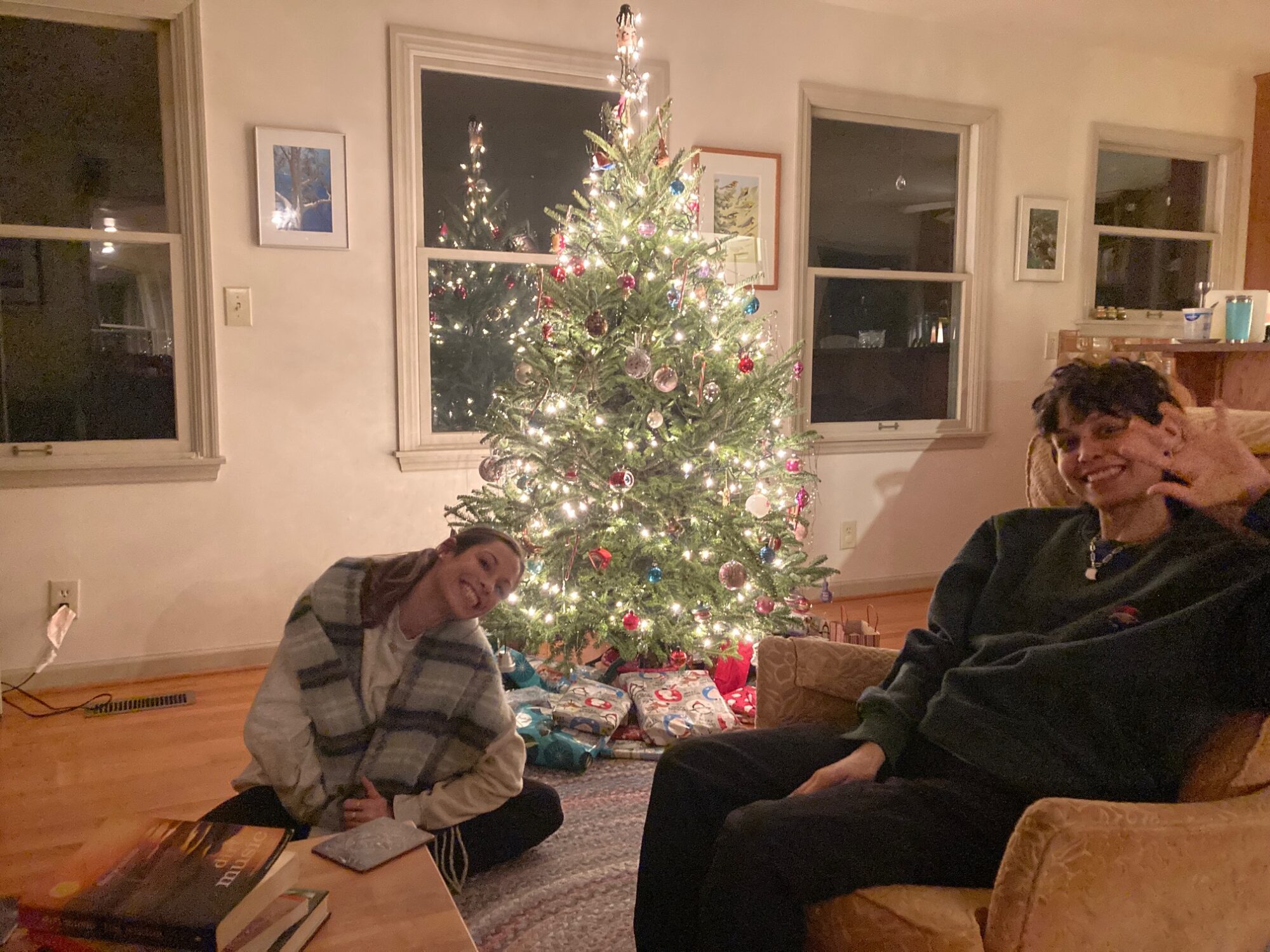 This will be brief. We have had our girls in for the holiday, though Winter Storm Elliott very nearly kept our younger daughter in Denver for the weekend. We have managed the cold and kept the house warm with fires in the fireplace and well-placed space heaters. We’ve enjoyed clam dip and cinnamon rolls, homemade soups and Indian-style butter salmon. We’ve even had a couple of meals out.
 So far, we have received some very good stories. We have also received far, far more that won’t make the first cut. And so I thought I would go over again, briefly, the things that can make or break a story submission, at least for this editor.
 Will I reject a story simply because it is single-spaced instead of double-spaced? No, I’m not quite that mean. But when reading a story, knowing I have literally dozens more waiting in the queue, I will only tolerate so many flaws before I reject it. Remember, I have 500 stories to choose from. I can and will find what I’m looking for. No story is ever perfect, so ask yourself, do you want to expend one of your flaws on formatting? Or do you want to present your story correctly so that I can judge it on its artistic merits? The answer seems self-evident to me.
 1) I abhor the cliché, but think outside the box. As
 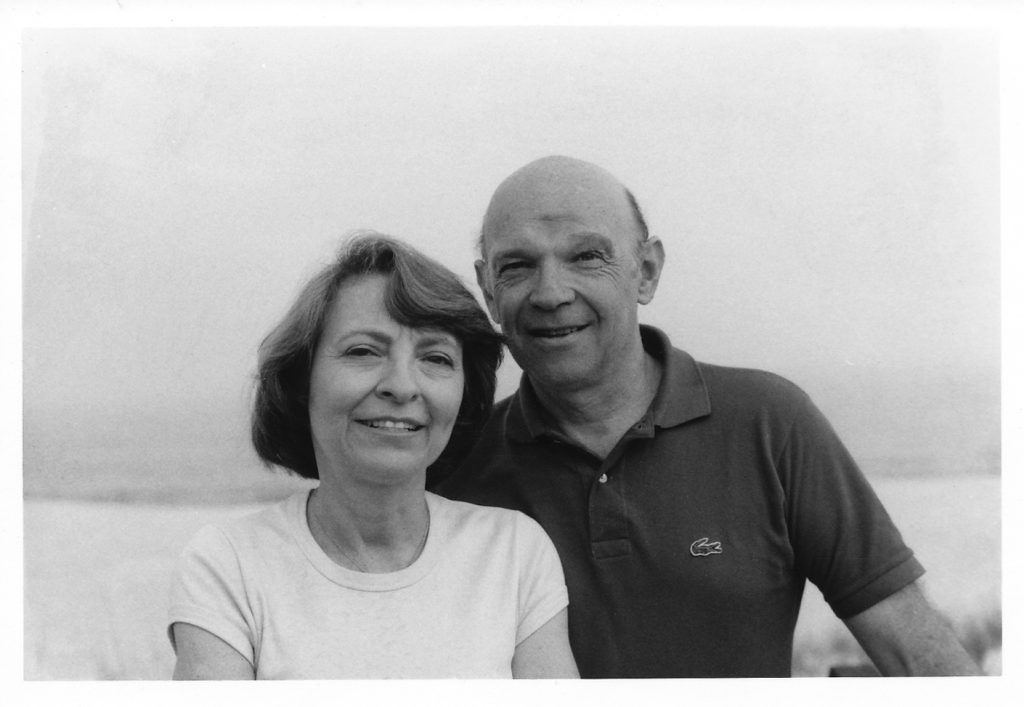 “This is my present,” he said. “Watching all of you.”
 What are you giving for the holidays?
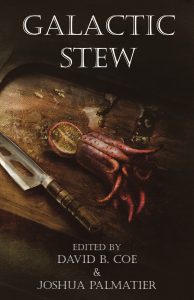
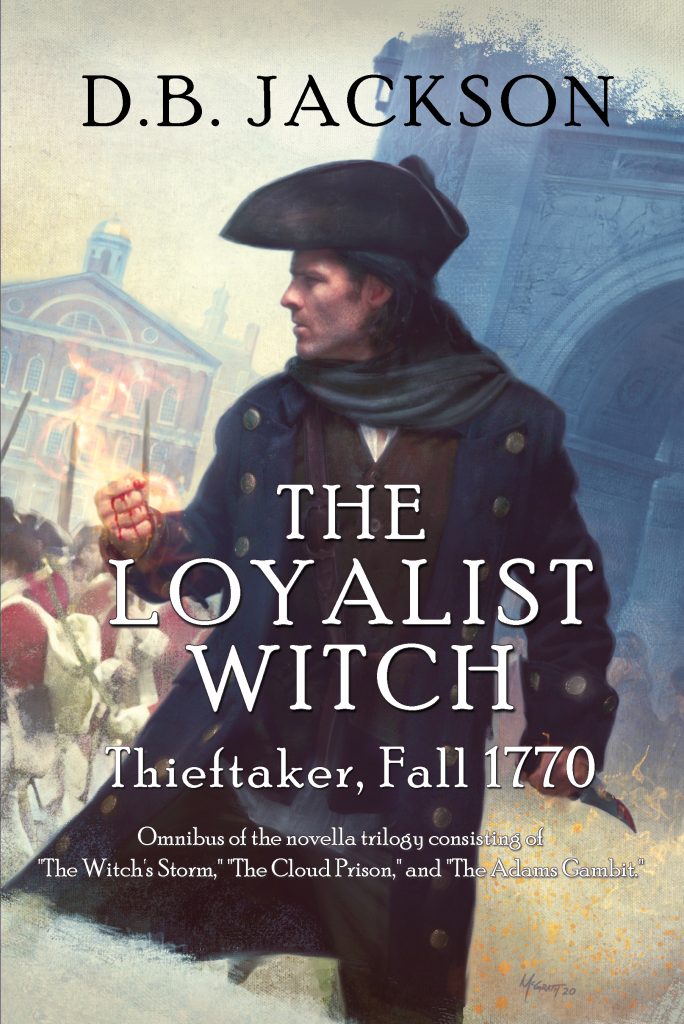
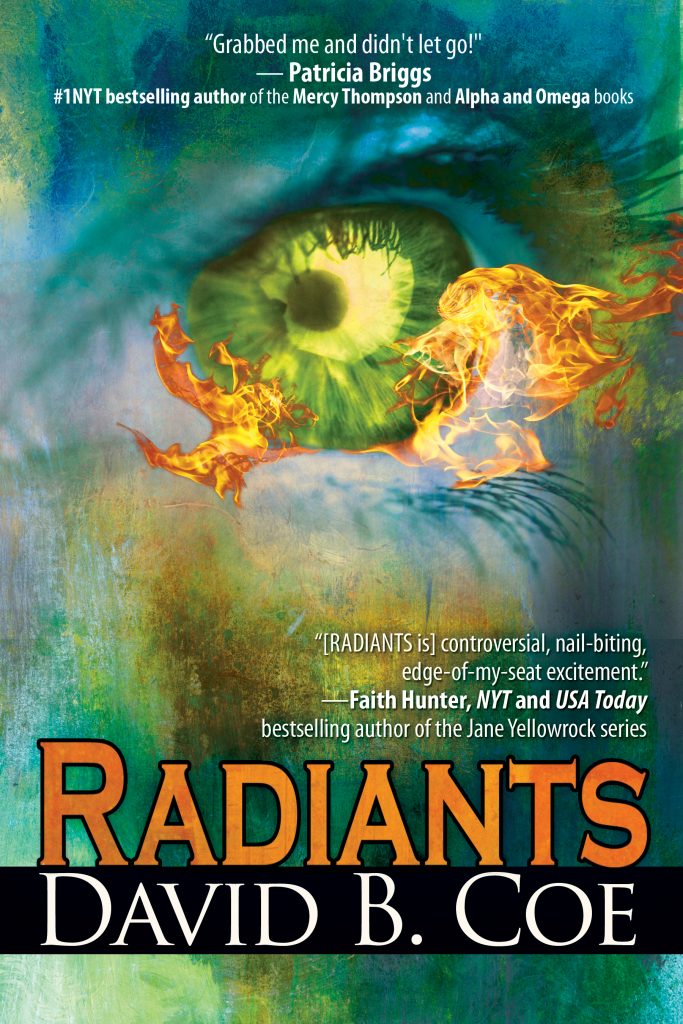
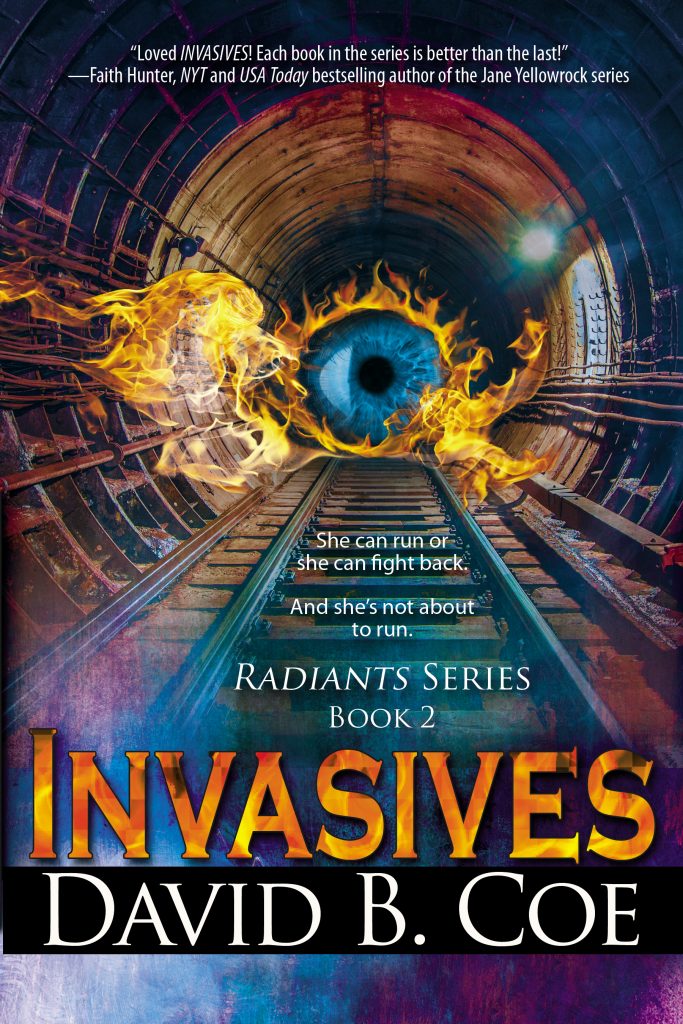 May I suggest a book, or several books?
 Yes, I know, this probably seems a little crass. But here’s the thing: Creators like me make our livings off the sale of our creations. It really is that simple. If our books (or music or art or whatever) don’t sell, we don’t earn.
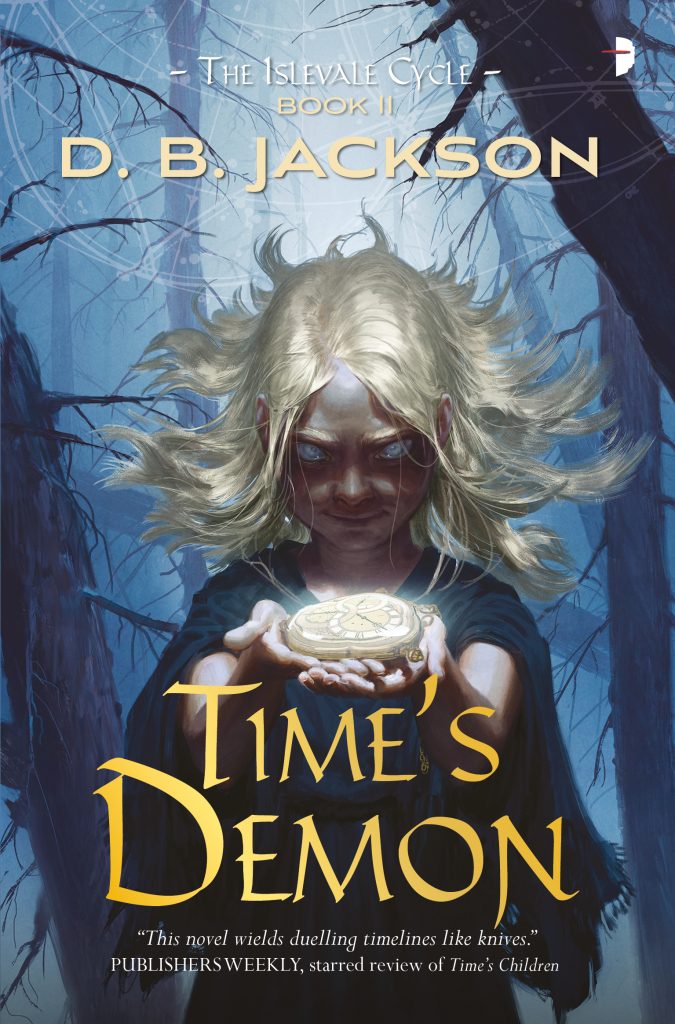 Now, many of you are probably saying at this point that you have already bought my books and, I hope, read and enjoyed them. That’s wonderful. Thank you. Truly.