We have a Sonicare toothbrush — one of those rechargeable ones that vibrates, like, a trillion times per second and essentially buzzes plaque and tartar into submission. (That might not be exactly the science behind the technology, but that is certainly what it feels like.) The toothbrush has a built-in timer that changes the tone of the buzz every thirty seconds, to let us know it’s time to abuse a different part of our mouths (top front, top back, bottom front, bottom back, or whatever) and so we generally brush for about two minutes every morning and every evening. (Stick with me; there is a point to this.)
If we do the math, two times a day at two minutes per brushing comes to twenty-eight minutes per week, or 1,460 minutes of brushing per year. That’s twenty-four hours and twenty minutes. So, put another way, each year, we spend the equivalent of one entire day brushing our teeth. We can do calculations like this for all sorts of things. I do a workout each weekday morning before I take my morning walk. That workout lasts about forty minutes and I do it five days a week (except for when I’m traveling). So, that’s 200 minutes a week for, let’s say, forty-five weeks out of the year. That means I spend the equivalent of slightly more than six full days a year working out, just so that I can eat a bowl of ice cream at the end of the day and not feel too guilty about it.
But for the purposes of this post, let’s stick with the toothbrushing example. Assuming, of course, that you’re still reading. Certainly by now you’re wondering what the hell this is about.
Allow me to explain.
Speaking with beginning writers at conventions (as I did at ConCarolinas a week or so ago) I often hear that they are ready to start work on a novel, but they worry about carving out time in their already-busy lives for a big project. Such an endeavor feels overwhelming, frightening, impossible.
 And in part, this is the fault of professionals like me, who talk about our work habits and, perhaps, create unrealistic expectations that writers with less experience then apply to themselves. I write full time. I demand of myself that I write 2,000 words per day. I am asked often how long it takes me to write a book, and the honest answer is that it takes me about three months, which is pretty quick, I know. Writers who are at the outsets of their careers should not necessarily expect to do the same.
Because I didn’t always write this fast. For the first ten years of my career, I was pleased to complete a book a year. And that pace is much easier to maintain than you might think. Let’s do a bit more math.
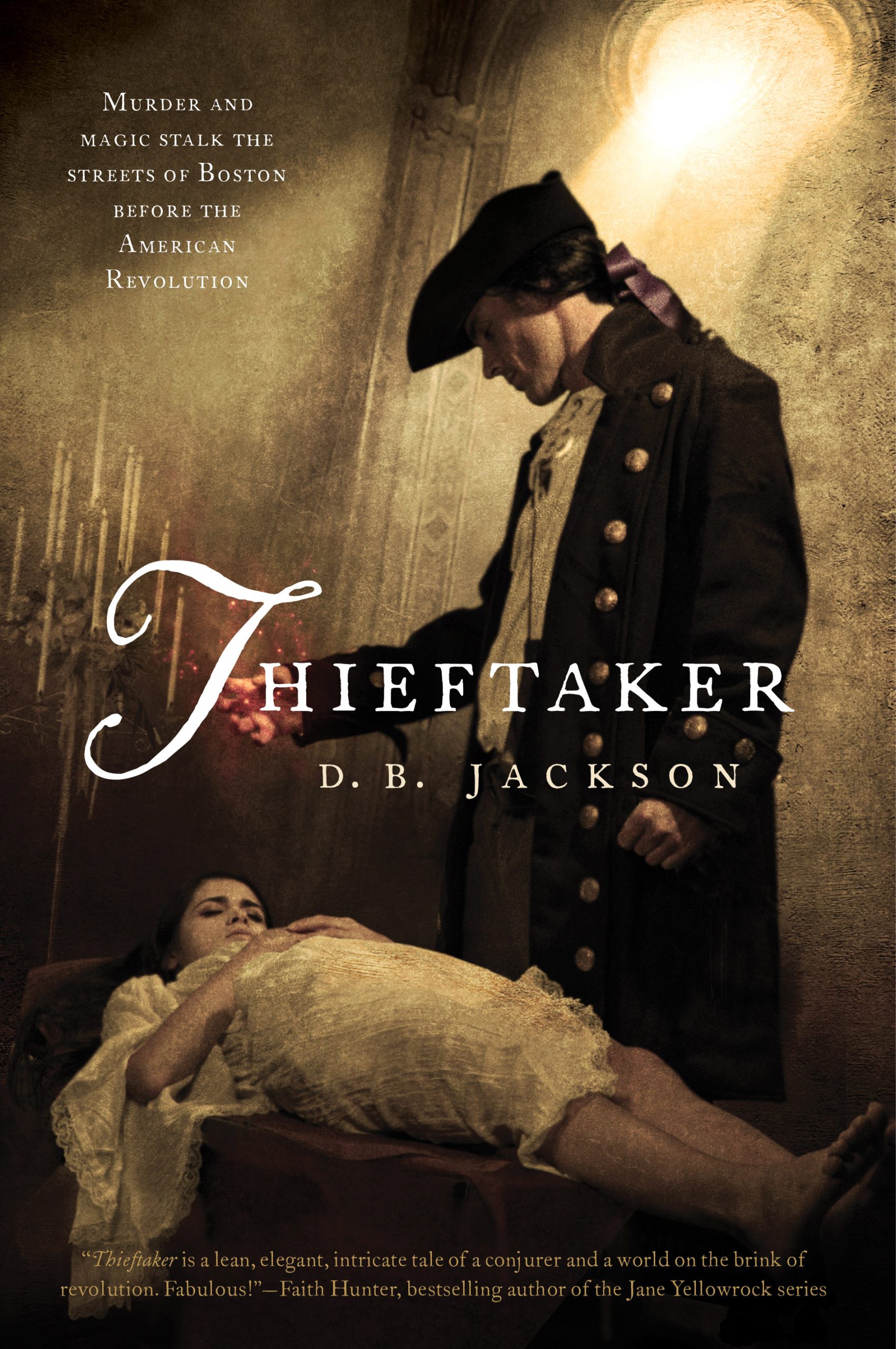
 We’ll begin with the assumption that the book we’re writing will come in at around 100,000 words, which is the approximate length of most of the Thieftaker books, the Chalice War books, and the Fearsson books. Epic fantasies tend to be somewhat longer; YAs tend to be shorter. But 100K is a good middle ground.
Let’s assume as well that at most we can afford to devote an hour a day to writing. And in that hour, we can only expect to write one page — about 250 words. That pace may sound way too slow, and you may be saying to yourself that at that rate we’ll be writing forever.
Well, no. At that pace, even allowing for missed days along the way, we can be finished with our 100,000 word novel in a little over 13 months. If we can up our production to five hundred words a day just on weekends, we can be done in closer to eleven months, under a year.
 Feeling more ambitious? Say we can write for ninety minutes each weekday, and can manage to average 500 words a day, while taking our weekends off to recharge. Well, now we’re writing 2,500 words per week, and that novel will be done in less than nine months. Willing to write on weekends, too? Now we’re down to seven months.
I can go on, but by now you get the idea. Applying the toothbrush principle — which says simply that small efforts on a daily basis add up quickly — we can transform the very idea of writing a novel from something daunting — a challenge that feels too huge to tackle — into something manageable, doable.
Now, to be clear, I am not suggesting that anyone exchange brushing their teeth for writing. The day is long enough to get both done. And four out of five dentists surveyed tell us that the world will be a better, fresher place if we all continue to brush our teeth . . . .
Have a great week!
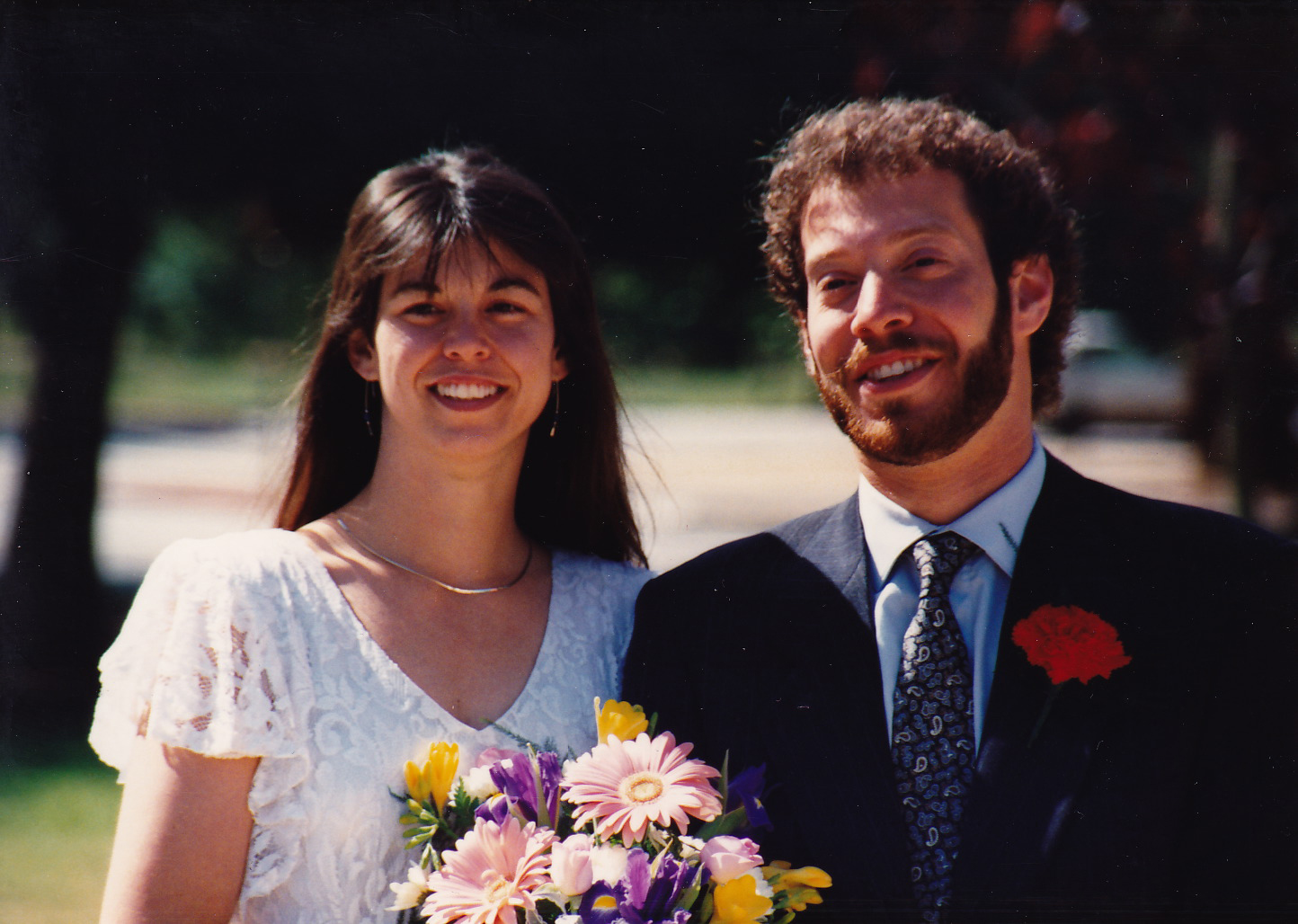 We had lived together for two years before our wedding, and we were both in our late twenties. We had known almost from the day we started dating that we would spend the rest of our lives together, and by the time that weekend rolled around, we felt ready for the responsibilities and challenges of marriage. And we were. And still, we had no idea.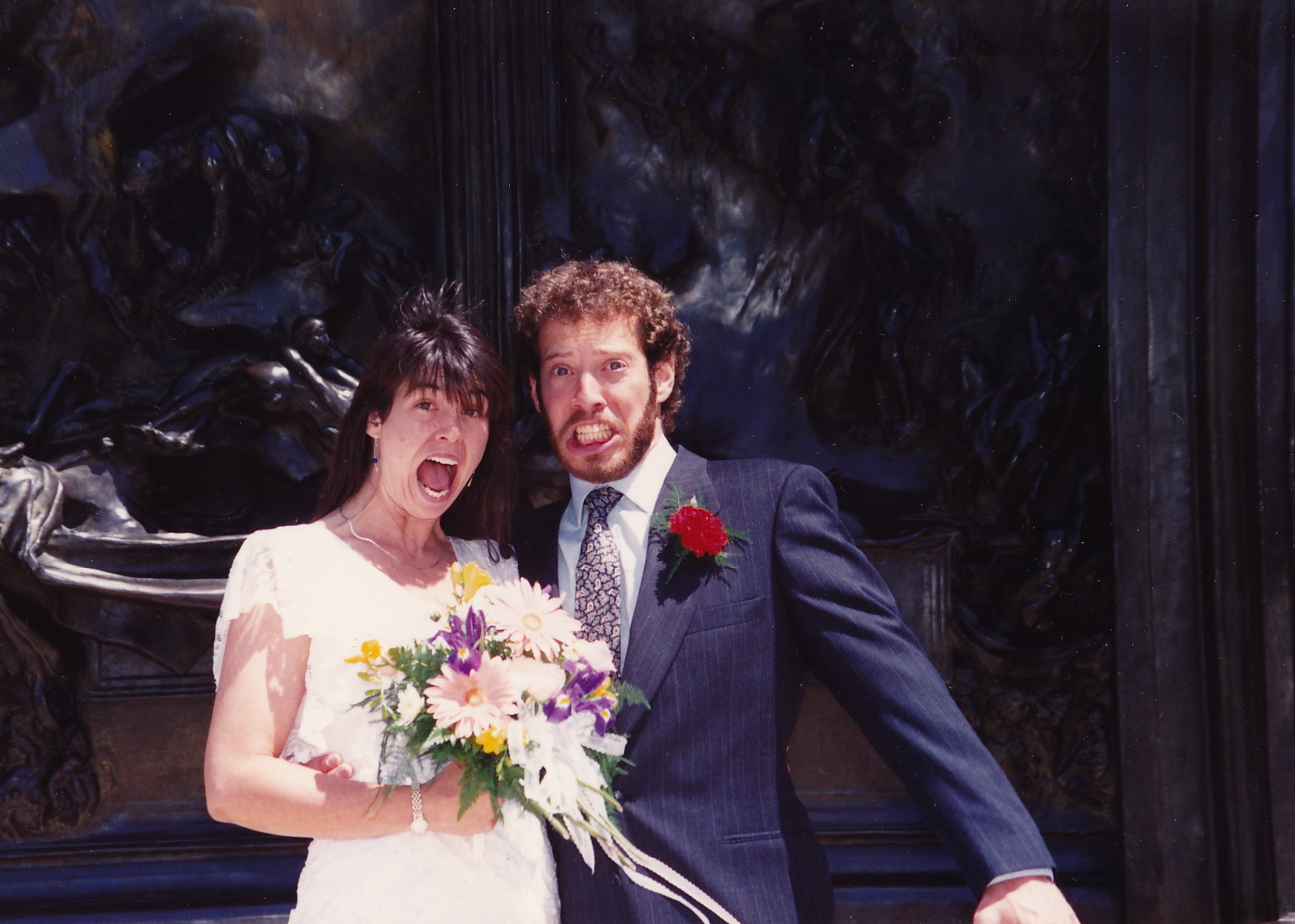
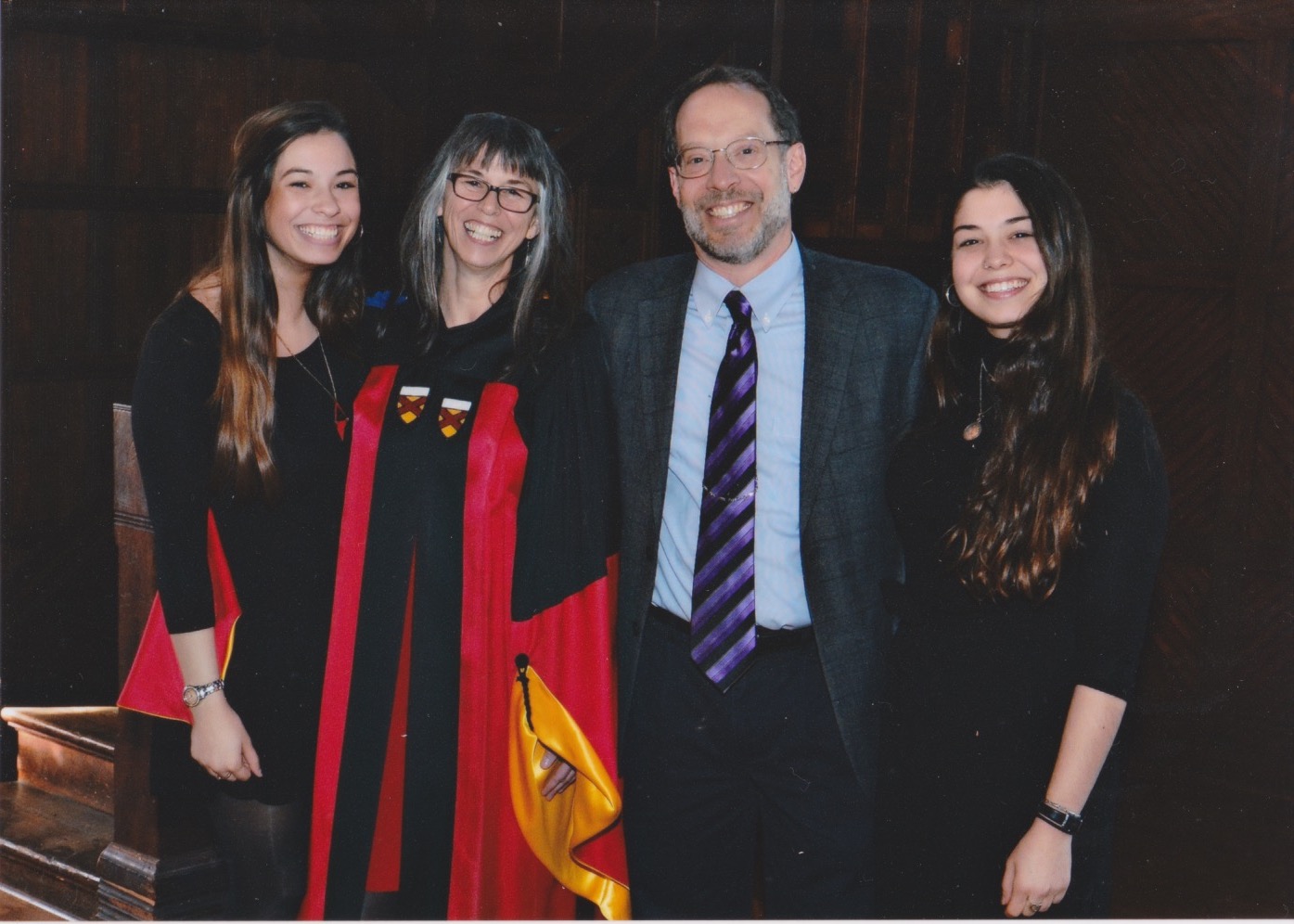 The clichés are true. Of course marriage is about love, about passion, and — even more — about friendship. But it is also about compromise, about joining two lives and finding the balance necessary to make certain that each of those lives feels complete and fulfilling, even as together we build a third life that belongs to both of us. It is a complicated undertaking. And while love and passion are great, there are times when they feel elusive. The kids are sick and you both have work deadlines and the shopping needs to get done. Or one job is more demanding than usual and it’s all you both can do just to get one kid to soccer practice and the other to ballet while also taking care of dinner and arranging the babysitter for the Friday event in town. Work, balance, compromise, sacrifice — sometimes, it feels like that’s all there is. Those early days of the romance, when everything was laughter and love and sex and adventure, seem so very, very distant.
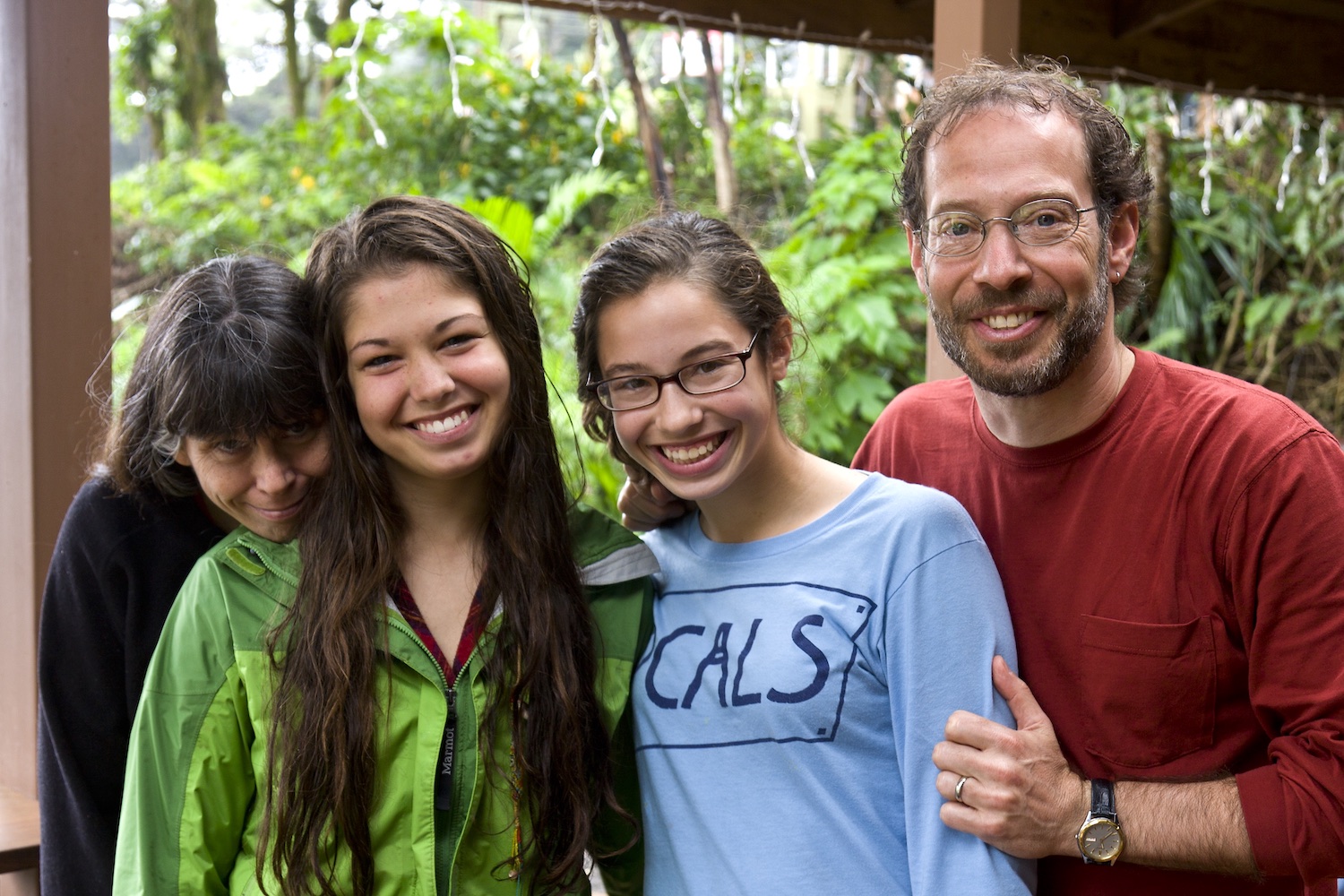 2. Have faith. I’m not talking about religious faith here (though if that’s your thing, great). I mean faith in each other and in what you share. That belief in the fundamental power of our bond has gotten us past some really hard times. The love might not always be palpable, but we KNOW it’s there, and that certainty gets us through.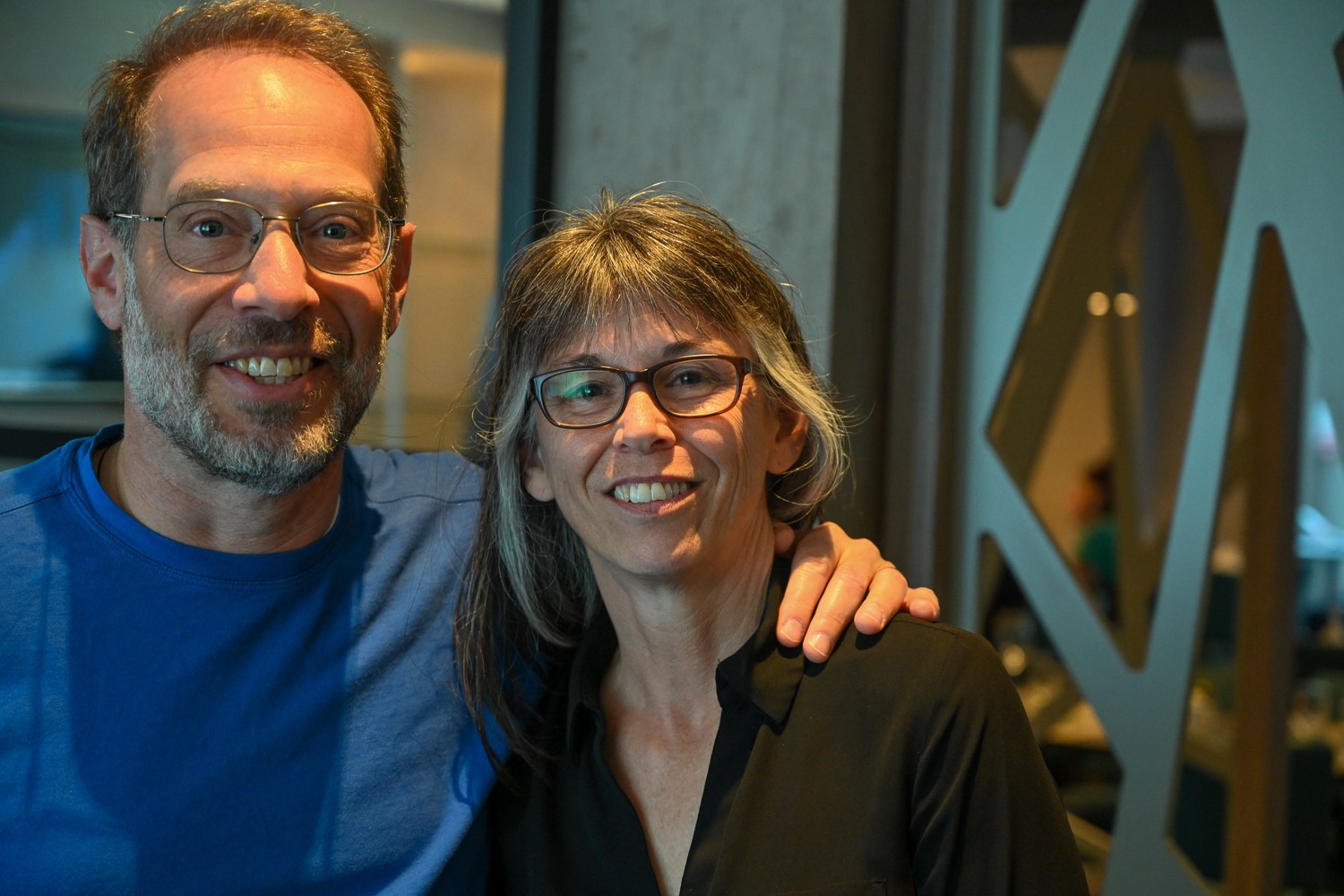

 What about the rest of my life? What’s next in other realms?










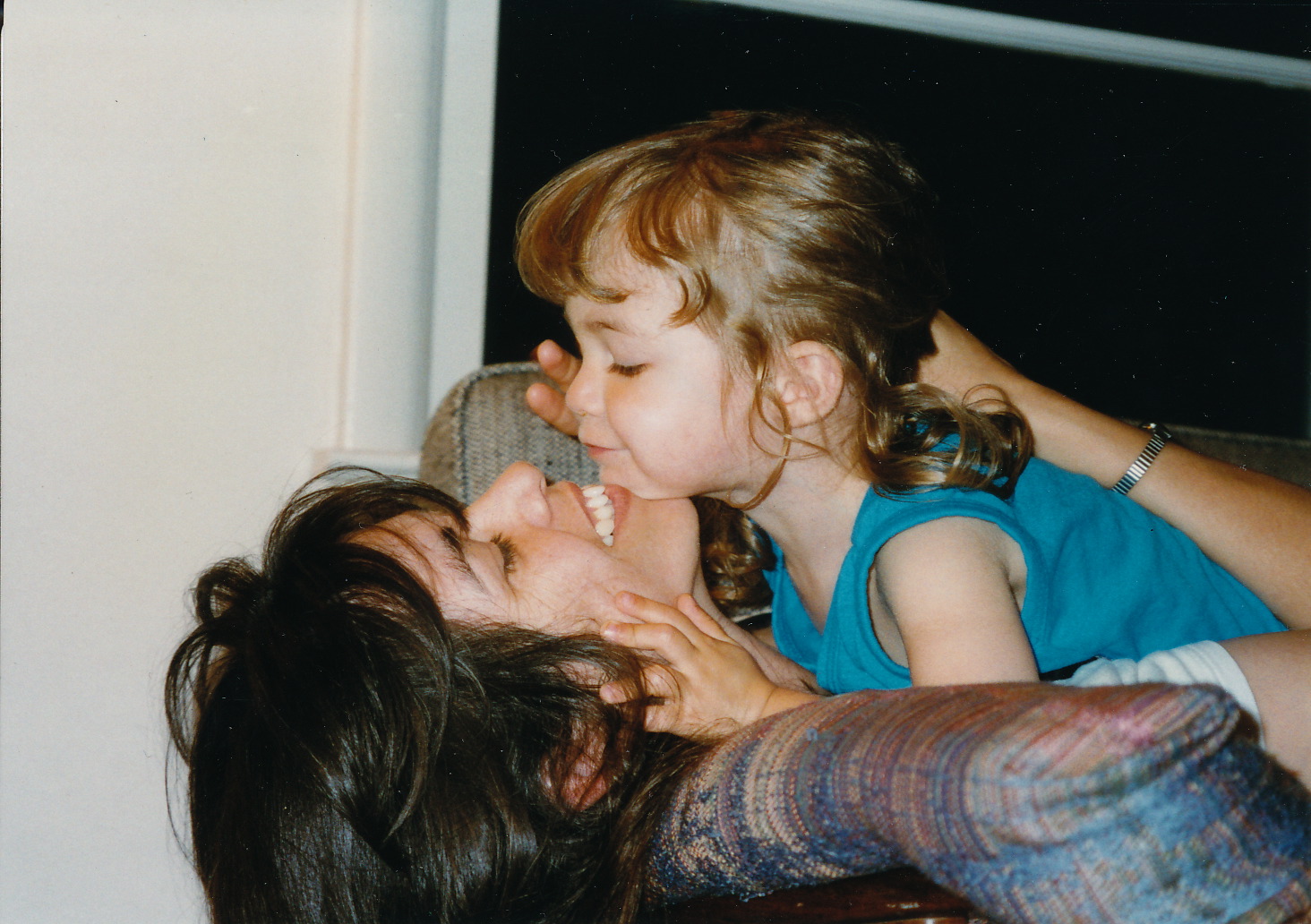 Yes, another post about our daughter and our loss. A part of me shies from this, wonders if I have written about her too much. “Write something upbeat,” I tell myself. “Something funny, something — anything — that isn’t about grief.” But we are grieving. Still. It’s been six months since we lost Alex. A bit more, actually. It seems like so long. It seems like nothing. And that is what my therapist tells me — that really six months is nothing. We remain at the very outset of a long journey, one that will be part of our daily existence for the rest of our lives.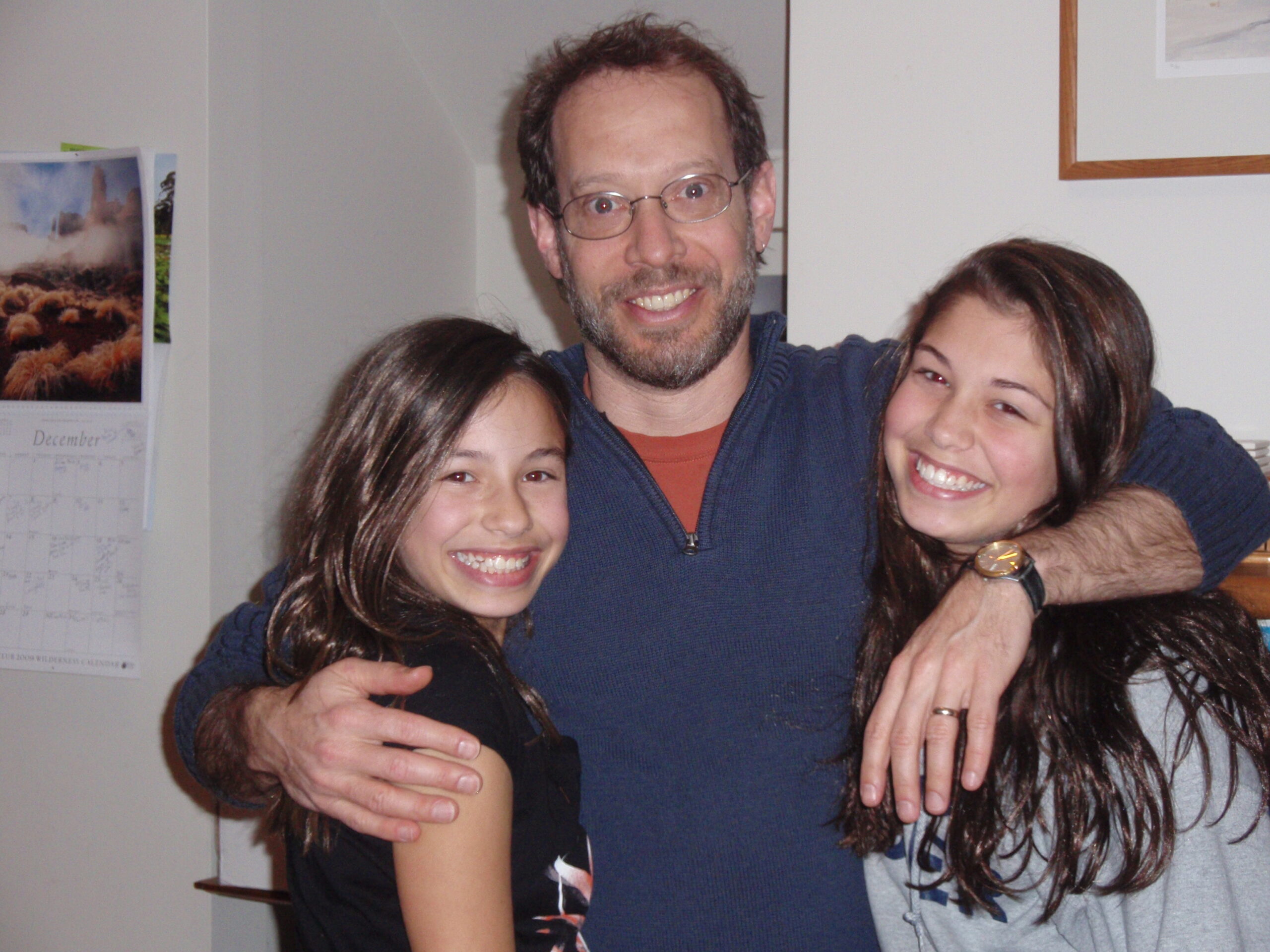
 Today, Alex would have — should have — turned 29 years old.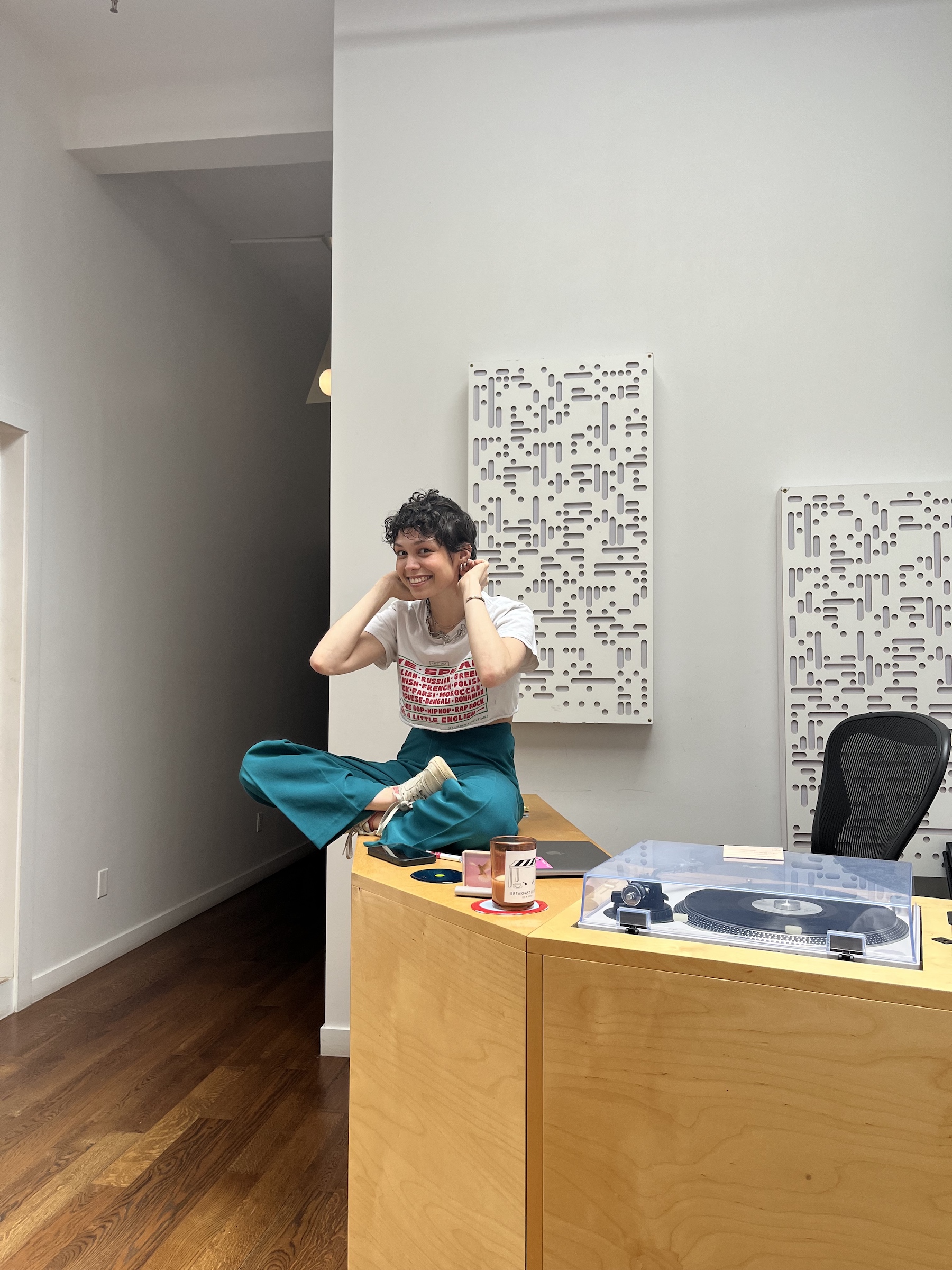
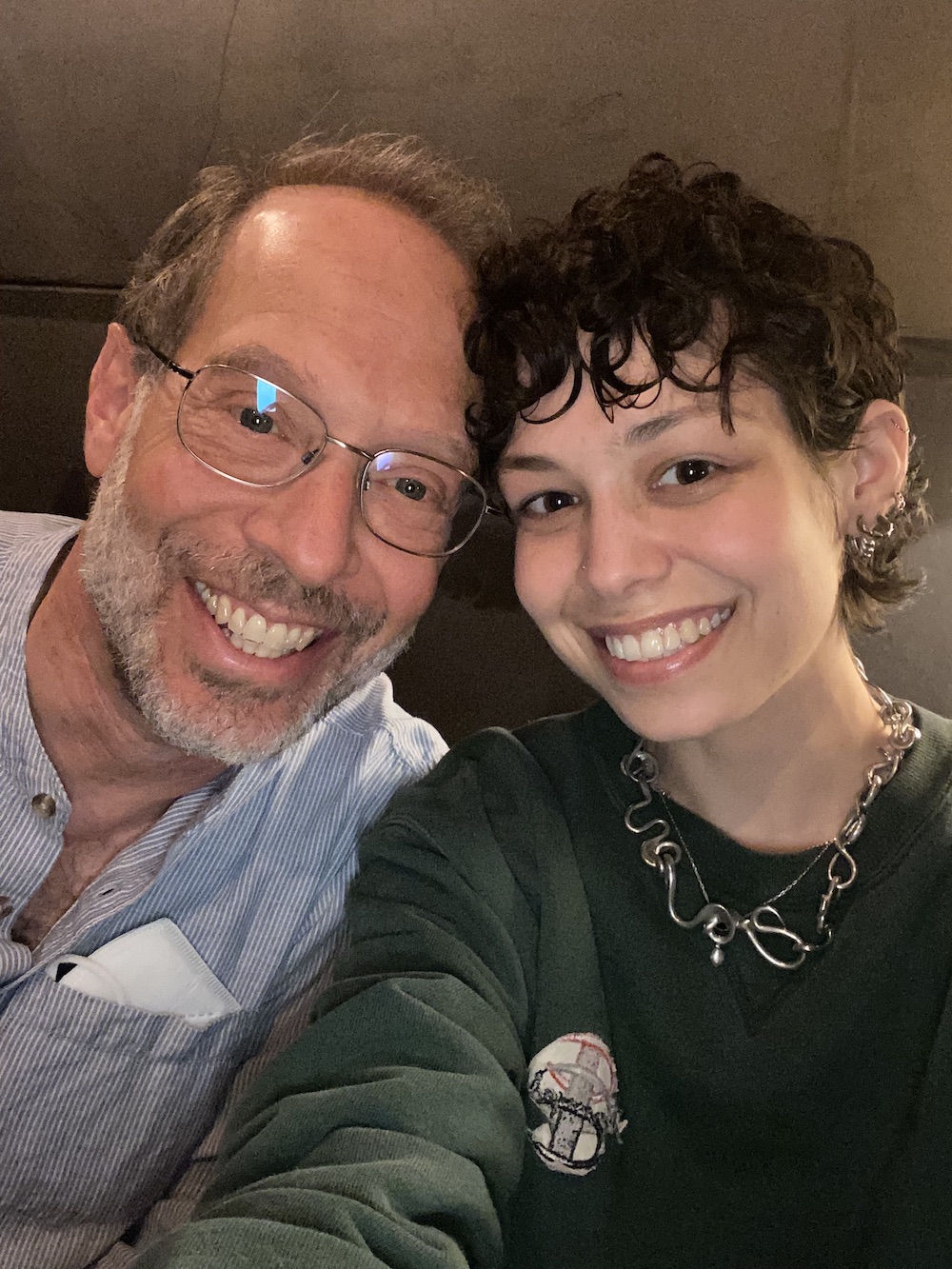 It has now been nearly five months since we lost Alex. I still get the same question — and to be clear, I don’t mind being asked. Not at all. It’s just that I still don’t know how to answer. My friends tell me that five months is nothing, that there is no reason I should have a handle on my emotions already. My therapist says the same. I suppose I should listen to all of them. But I grow impatient with myself. I make my living with words and with emotions. The core of my art is conveying the emotional state of my point of view characters. It’s practically the definition of what a fiction writer does.