I’ve been traveling a lot this summer — hence my inconsistency when it comes to posting. Generally the travel has gone well, and visits with friends and family have been wonderful. Whether in personal settings or professional ones, I have felt valued and loved, seen and supported. I can’t ask for more.
I am still on the same journey I have been on for the better part of a year. Grief, I am learning, doesn’t ever go away. It changes, it eases and spikes and eases again, it becomes part of us, redefining who we are and how we interact with the world, with the people in our lives, with ourselves.
Months ago, I wrote that I would not wish to stop grieving. We grieve because we loved and because we remember. Grief is how our hearts and minds remain connected to those we have lost. I continue to believe this.
I am no stranger to grief; I’ve dealt with more loss in my life than I would have liked. We lost my mother and father when I was still in my early 30s. We lost my brother Bill far too early. And, of course, we lost Alex — the cruelest cut of all. In the past, I fought my grief, trying to hold it at arm’s length, fearing that to embrace it would be to surrender. The thought of that surrender terrified me. What if I couldn’t pull myself out of my sadness? What if the loss overwhelmed me?
This time around, I didn’t have a choice. The loss was too great, the pain too consuming. Had I not surrendered to it, I would have broken in half, like a tree trunk snapped off by a straight-line wind. Yes, there is an echo here of Aesop’s fable, “The Oak and the Reed.” A better analogy for my purpose is standing in the surf. I’ve never been a confident swimmer, and I used to hate swimming in the ocean because I would try to stand against the force of breakers. Only when I learned to body surf and to dive through waves did I start to love going to the shore. It was a lesson the girls picked up on quickly, and some of my fondest memories are of swimming with Nancy, Alex, and Erin during our annual beach vacations.
Grief is a huge wave. Only when I allowed it to wash over me and carry me where it would, did I come to understand that I could surrender to it without drowning.
Something else I’ve learned about grief — and another analogy to explain it: Our emotions have needs, just as our bodies do. And often we have to listen to our thoughts and feelings to understand what those needs might be. You know that feeling when you’re suddenly hungry for something very specific — a piece of fruit, or some meat or cheese, or a savory snack. That is our body’s way of telling us that it needs a certain type of nutrition — sugar, protein, salt. We learn to trust those cravings and to cater to them.
My emotions, and perhaps yours as well, work much the same way. There are days when I need to be with other people. There are days when I want to be alone. There are days when I crave work and others when writing and editing are the last things I want to do. One day I wanted to get a tattoo. Another day — Alex’s birthday, actually — I needed to hike and birdwatch on my own. I walked eleven miles that day. I have learned to listen to my grief, to honor it, to let it guide me through the roughest days.
So, how am I doing? I’m asked that a lot. Still. I don’t mind at all. I understand that the question comes from concern and from love. And the truth is, nine months on from the hardest, worst, most brutal thing that has ever happened in my life, I am all right. I won’t say I’m doing great. I don’t think you’d believe me if I did. But I am living my life, savoring time with the people I love most, doing the little things that I enjoy and from which I draw strength and peace. I have bad days, of course. But I get through them. And I’m finding there are fewer of them now than there were in the fall and winter.
It occurs to me as I write this that I have been listening to some new music lately. New to me, I should say. The lyrics aren’t particularly deep and the musicianship isn’t all that flashy. It’s kind of the musical equivalent of peanut butter and pretzels — a bit of protein, more substance than, say, gummy worms. But no one would confuse it for gourmet fare. It matches my mood in a way. I am not ready to go back to the tunes from which I have usually drawn emotional comfort. There is too much baggage in that music. Too much pain. Too many associations. And so these new songs are what I’m using to get through right now.
One last analogy to explain where I am with my grief at this point in time.
Thanks for reading. Have a great week.
 More to the point, though, back in the day, I used to perform regularly. Along with my dear, dear friends Alan Goldberg and Amy Halliday, I was in a band called Free Samples. Three voices, two guitars. Acoustic rock — CSN, Beatles, Paul Simon/Simon and Garfunkel, James Taylor, Bonnie Raitt, Joni Mitchell, Pousette-Dart, etc. We performed several times a semester, usually at the campus coffee house, but also at special events during which we shared the evening with other acoustic bands.
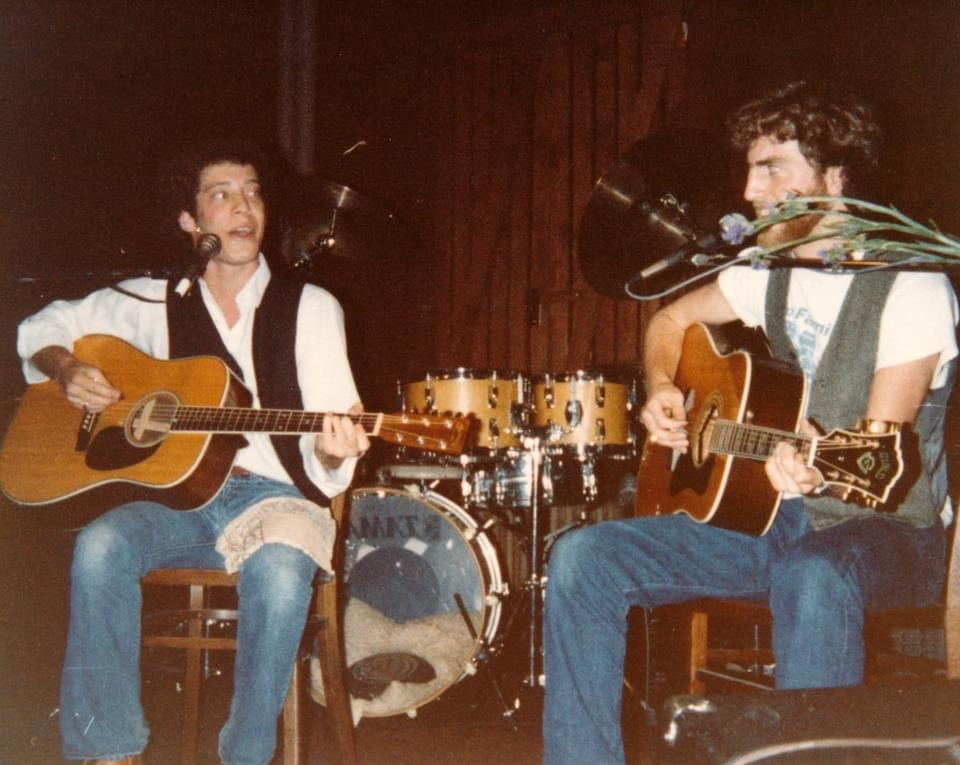 As I made clear earlier, I am not the player or singer I used to be, mostly because I don’t work at it as I once did. And so I’m afraid I’ll sound bad. Alan and Dan have played together a lot over the past several years, including live performances and online concerts they gave during the pandemic. They sound great as a twosome and I don’t want to ruin that. They have terrific on-stage rapport, just as Alan and I did back when we were young. I don’t want to get in the way of that, either. And I have overwhelmingly positive memories of my performing days. I don’t want to sully those recollections with a performance now that is subpar. I don’t want to embarrass myself.
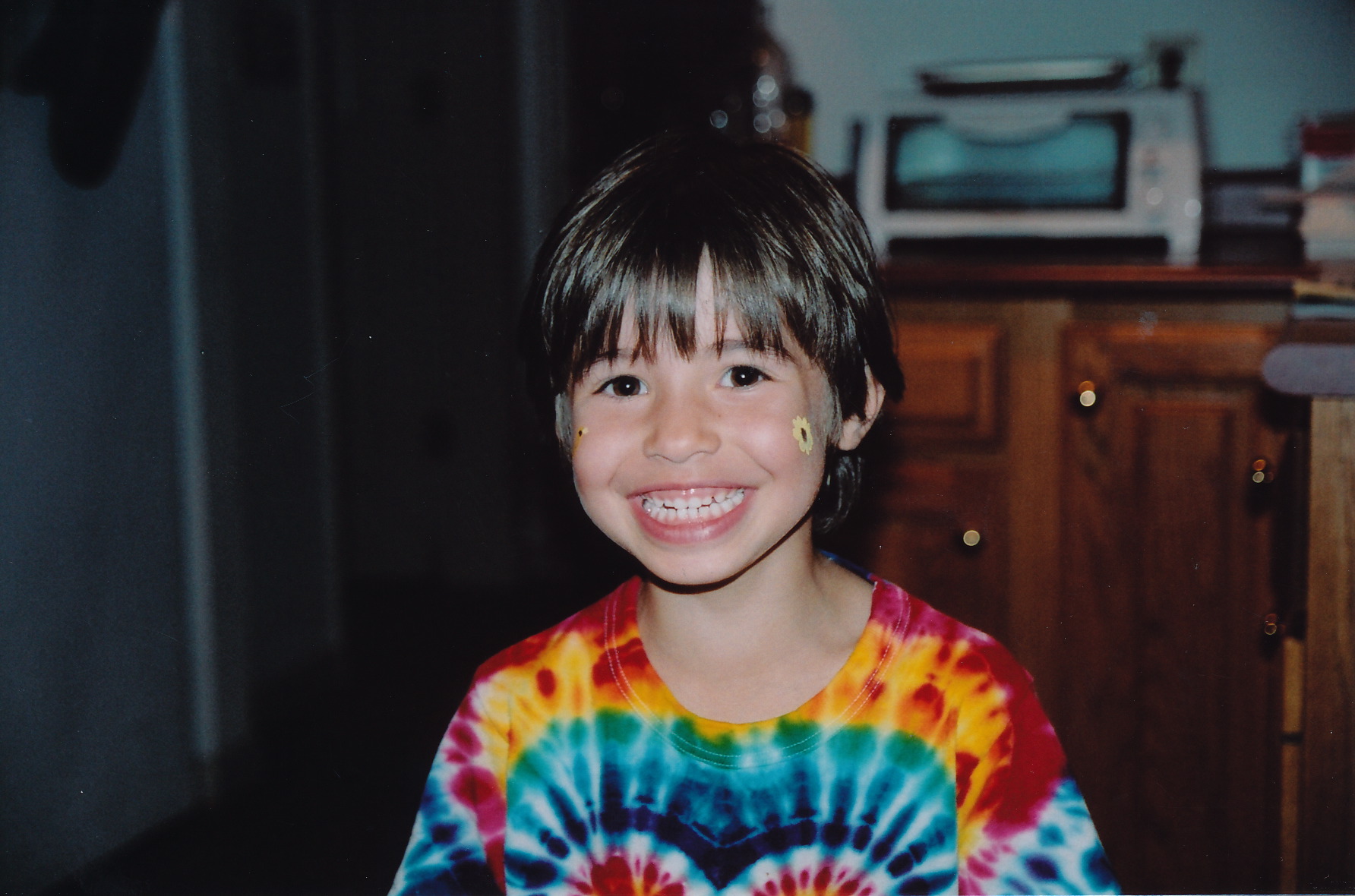
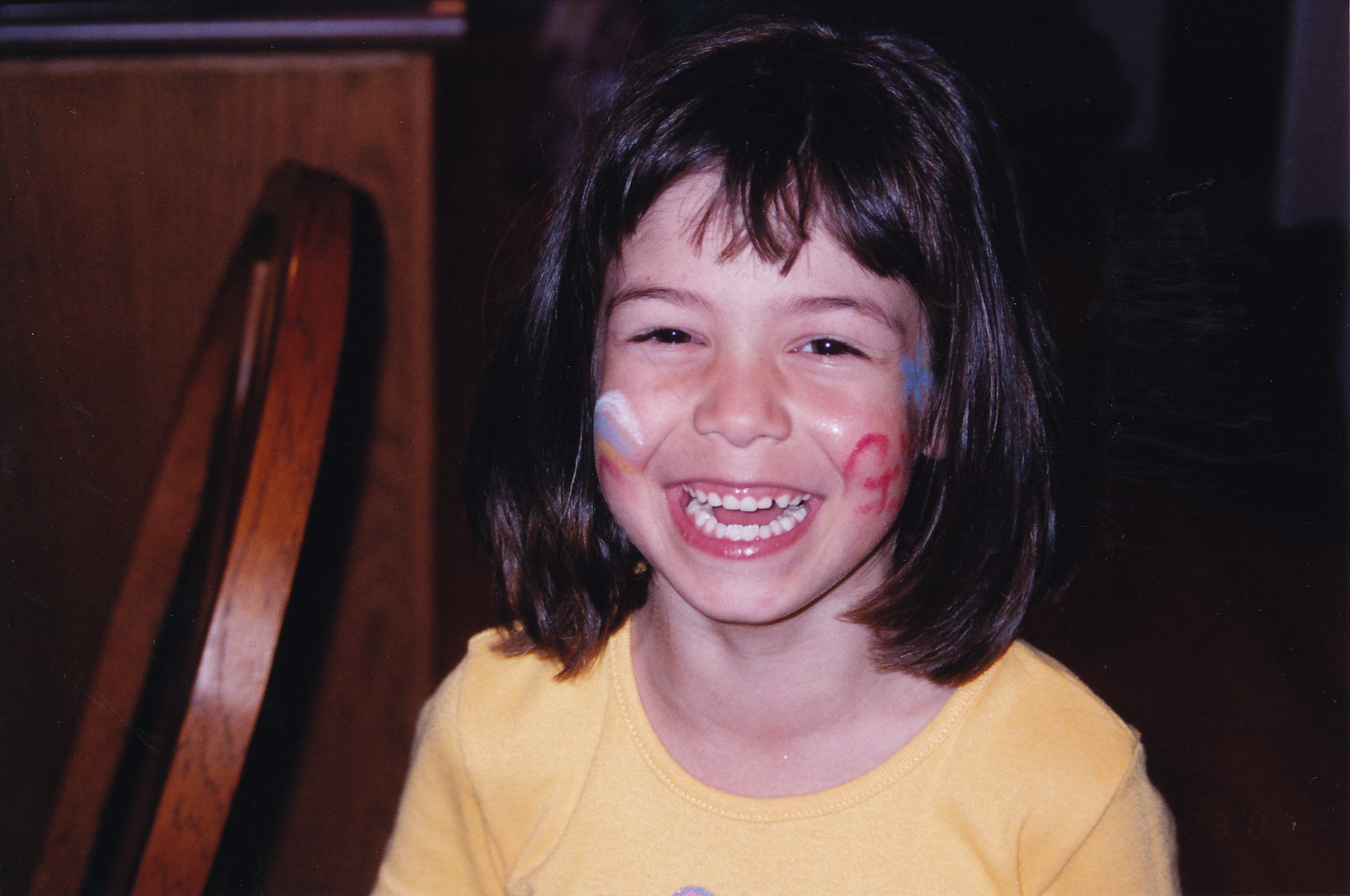 Our girls LOVED Sewanee Fourth of July when they were young. We would give them a bit of cash, help them meet up with friends, and then pretty much say goodbye to them for the day. It’s a small, safe, friendly town, and we never worried about them. They always found us eventually, sunburned and sweaty, their faces covered in face-paint, their pockets stuffed with candy that was thrown to kids by the parade participants. We’d go home, have a nap and some dinner, not that any of us was very hungry, and then, after covering ourselves with bug spray, would make our way to the fireworks venue.
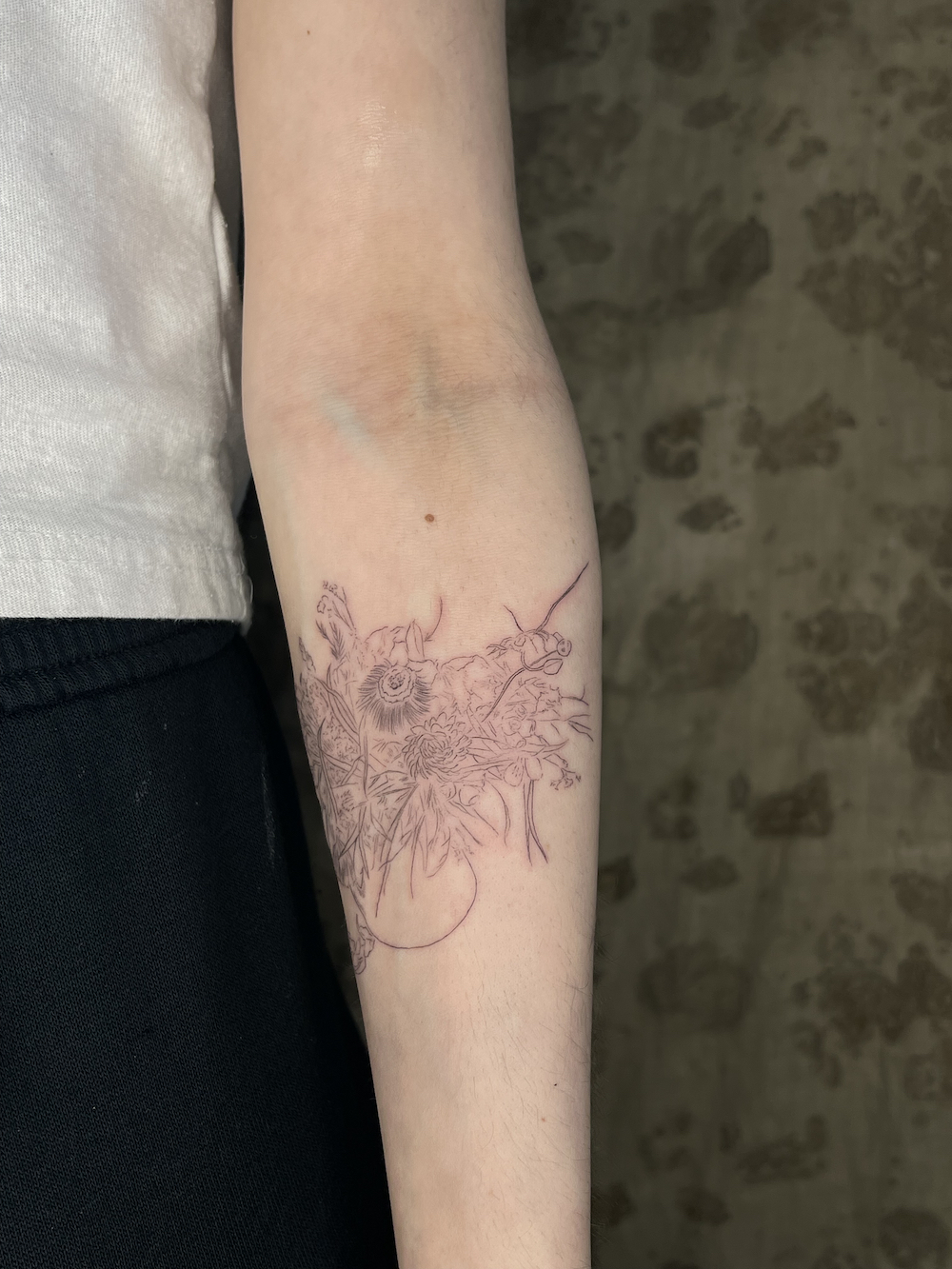 Somewhere along the way, as her battle went on, Alex decided she wanted to have the image of those blooms tattooed on her arm. She turned to a friend from NYU who had become an accomplished tattoo artist. This friend, Ally Zhou, specializes in fine line work, and was the ideal person to render the precise details of the dried bouquet. The result was a gorgeous tattoo that Alex bore proudly for the rest of her too-short life.
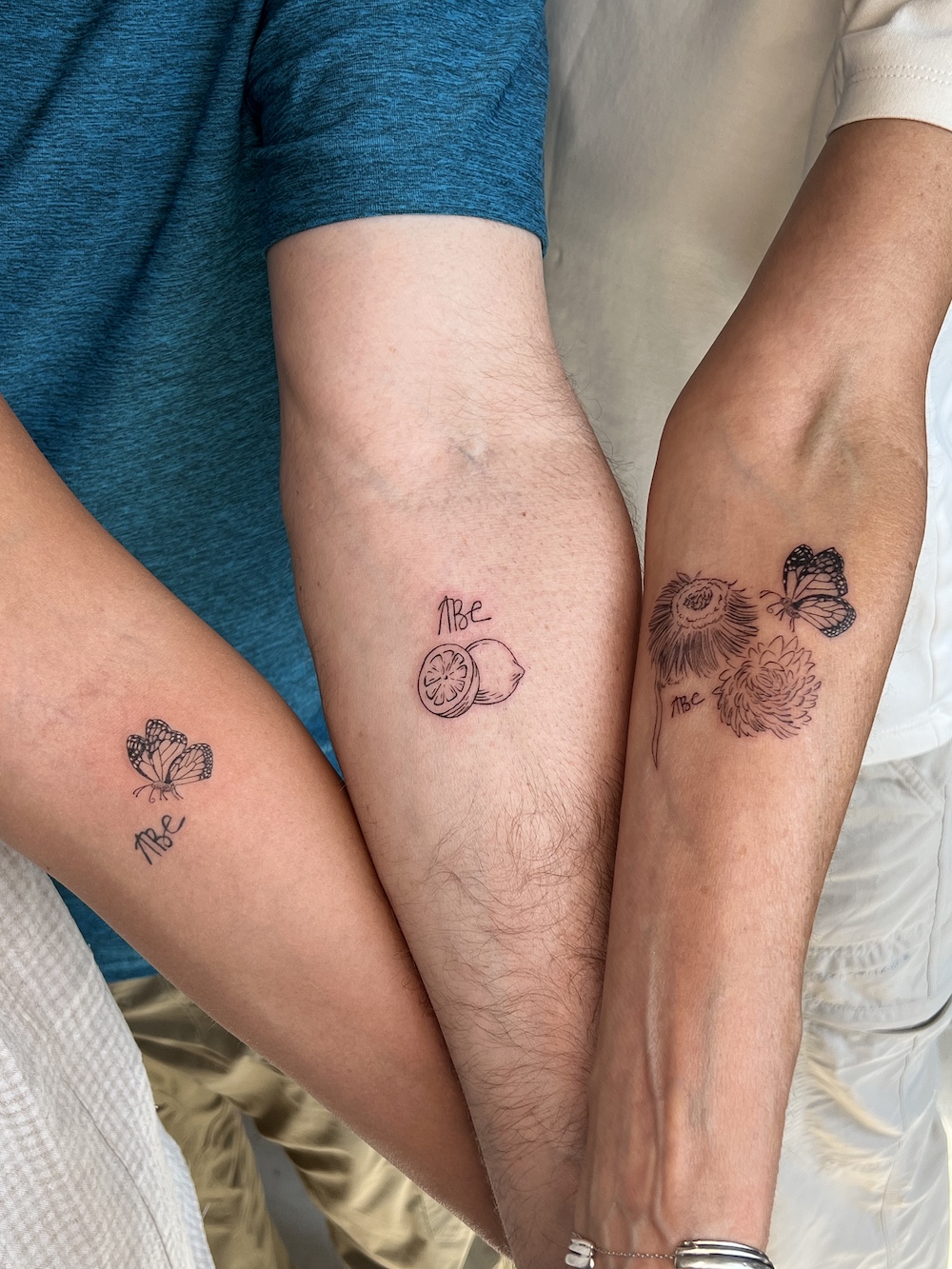 I know there are many of you reading this for whom a small tattoo is no big deal. You have sleeves or extensive back pieces or whatever. I think that’s great. But as I say, this was something Nancy and I had never intended to do. It felt momentous, like a ritual of sorts, a way of alchemizing our grief into something physical and shared and public, something that links us to one another and to Alex. I love my new tattoo, for what it means as well as for how it looks.
 And in part, this is the fault of professionals like me, who talk about our work habits and, perhaps, create unrealistic expectations that writers with less experience then apply to themselves. I write full time. I demand of myself that I write 2,000 words per day. I am asked often how long it takes me to write a book, and the honest answer is that it takes me about three months, which is pretty quick, I know. Writers who are at the outsets of their careers should not necessarily expect to do the same.
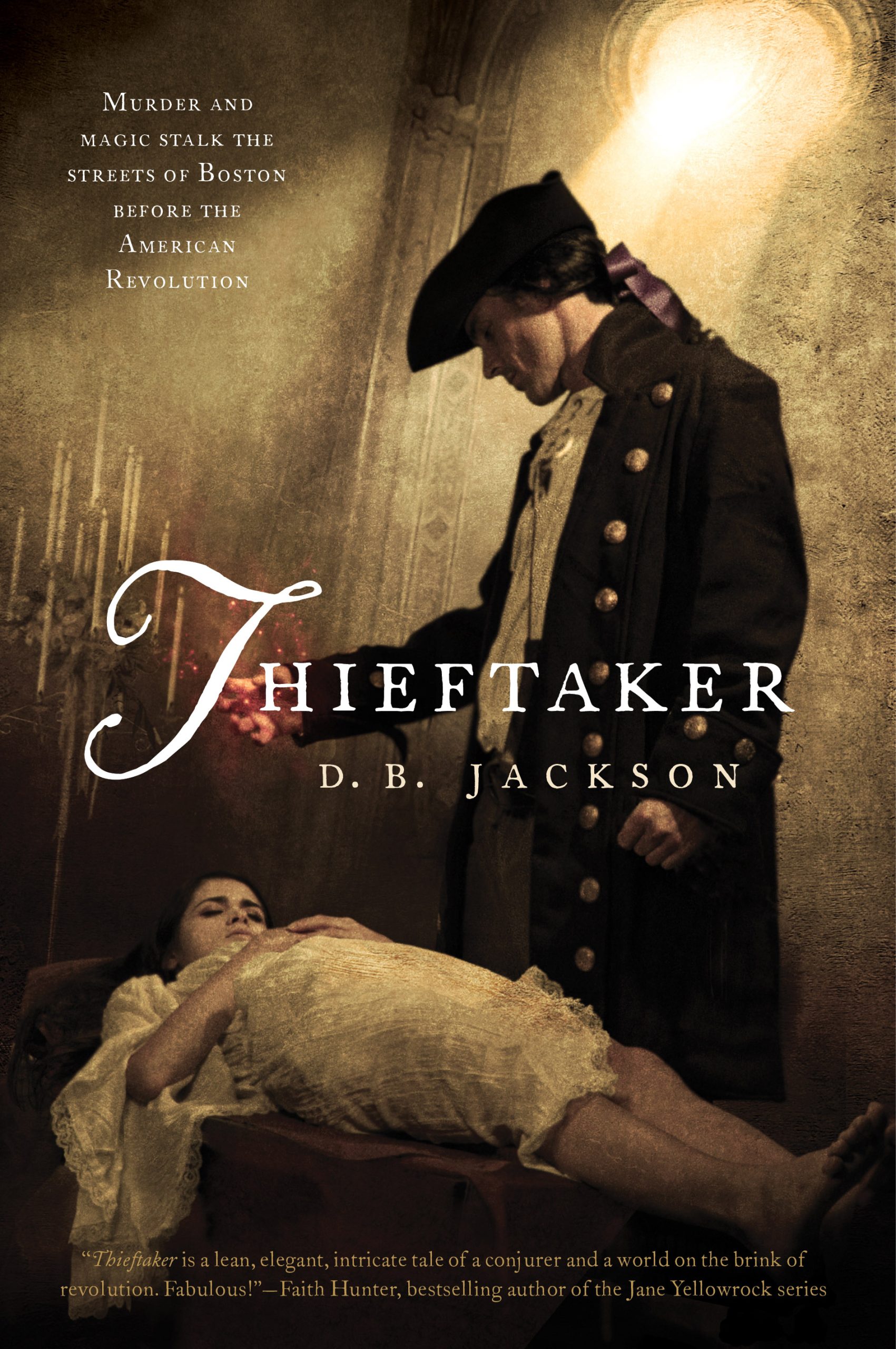
 We’ll begin with the assumption that the book we’re writing will come in at around 100,000 words, which is the approximate length of most of the Thieftaker books, the Chalice War books, and the Fearsson books. Epic fantasies tend to be somewhat longer; YAs tend to be shorter. But 100K is a good middle ground.
 Feeling more ambitious? Say we can write for ninety minutes each weekday, and can manage to average 500 words a day, while taking our weekends off to recharge. Well, now we’re writing 2,500 words per week, and that novel will be done in less than nine months. Willing to write on weekends, too? Now we’re down to seven months.
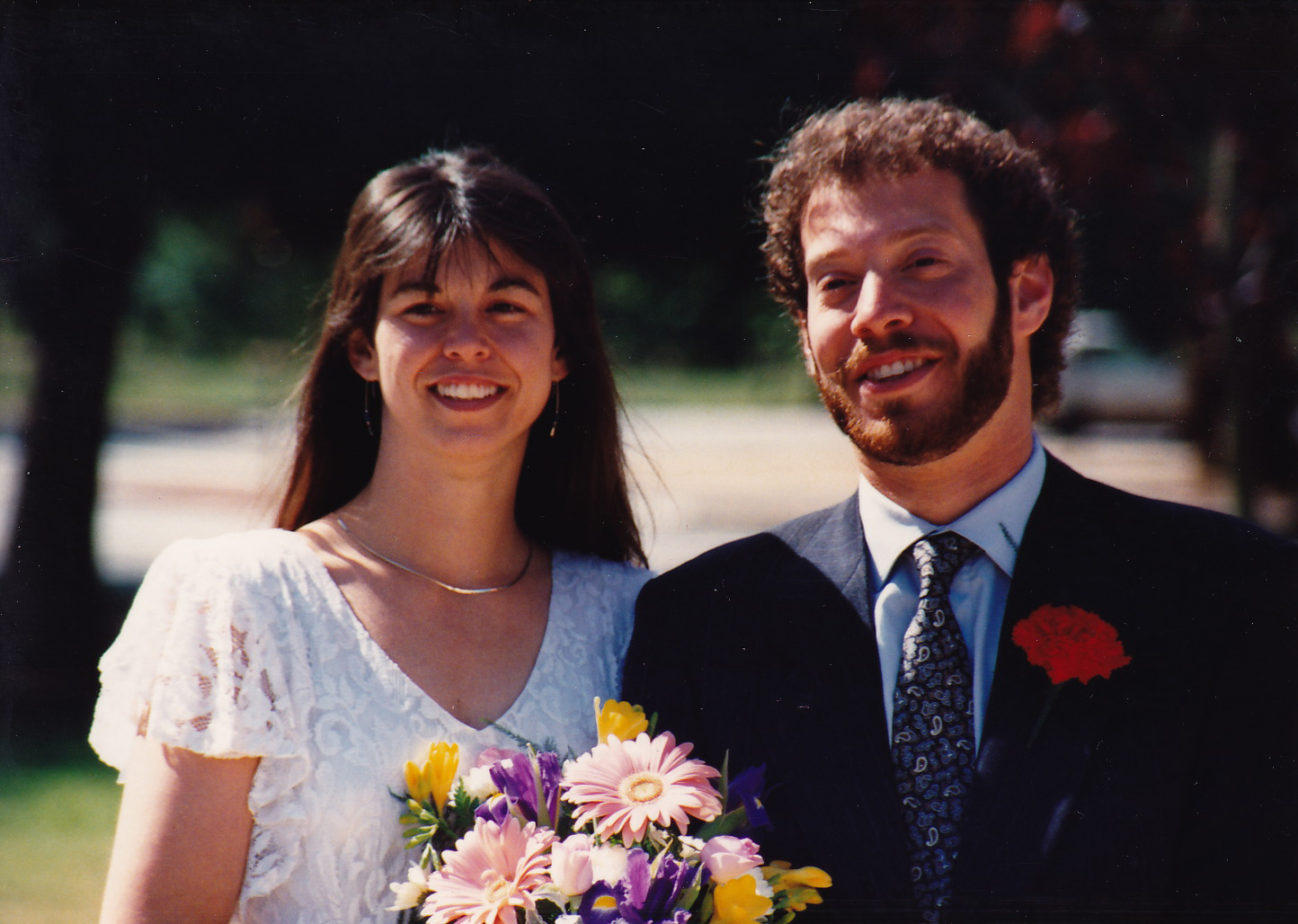 We had lived together for two years before our wedding, and we were both in our late twenties. We had known almost from the day we started dating that we would spend the rest of our lives together, and by the time that weekend rolled around, we felt ready for the responsibilities and challenges of marriage. And we were. And still, we had no idea.
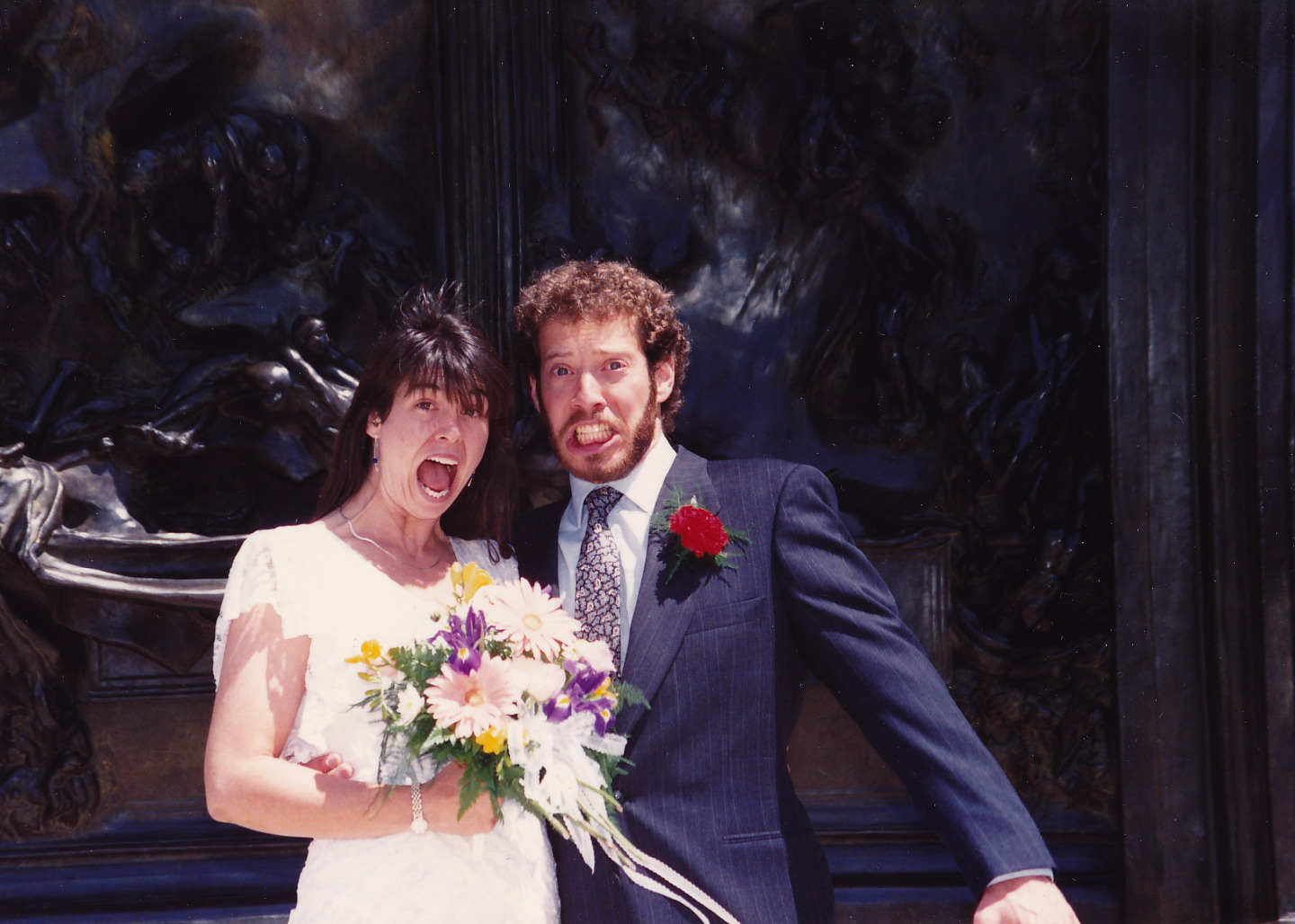
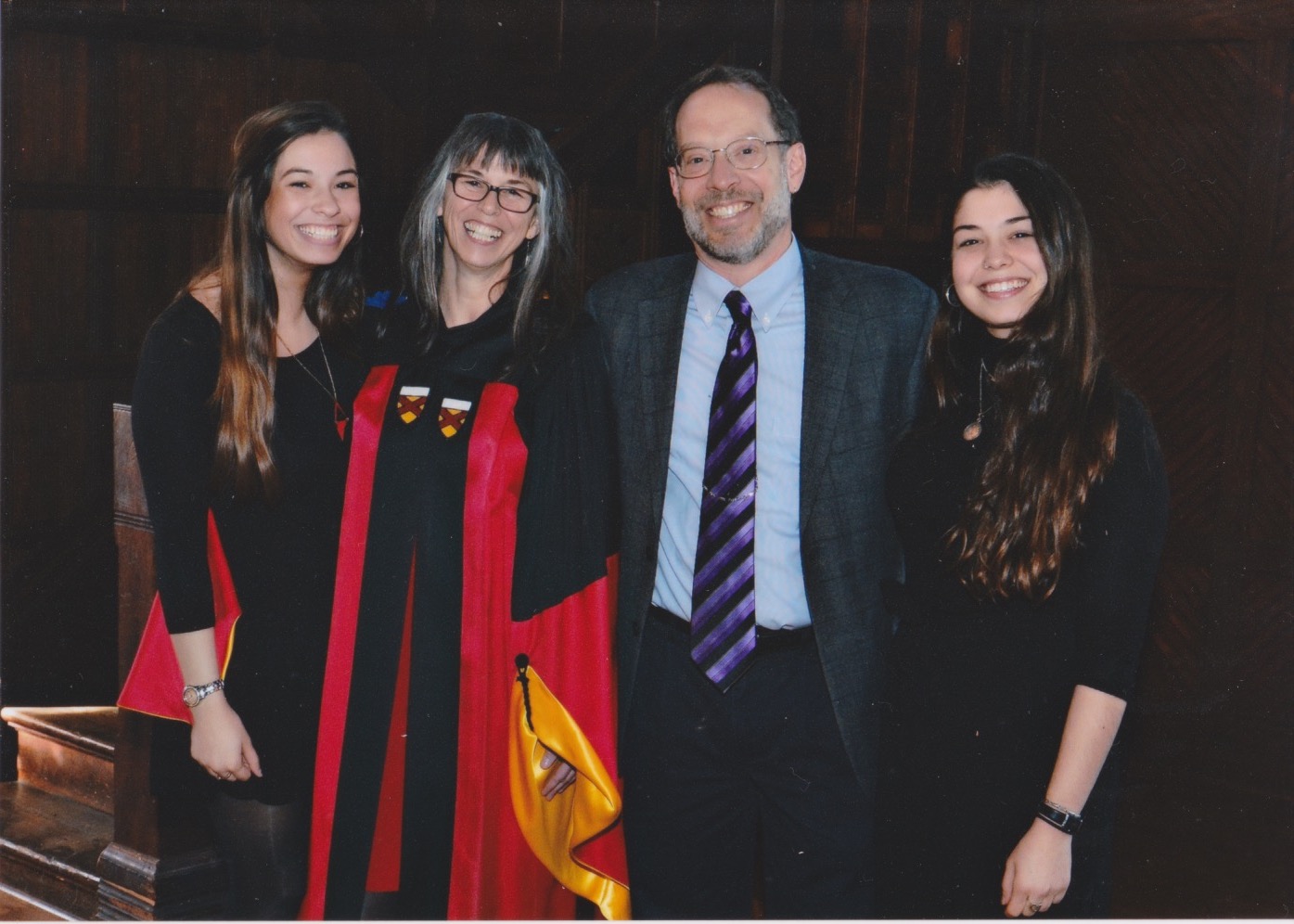 The clichés are true. Of course marriage is about love, about passion, and — even more — about friendship. But it is also about compromise, about joining two lives and finding the balance necessary to make certain that each of those lives feels complete and fulfilling, even as together we build a third life that belongs to both of us. It is a complicated undertaking. And while love and passion are great, there are times when they feel elusive. The kids are sick and you both have work deadlines and the shopping needs to get done. Or one job is more demanding than usual and it’s all you both can do just to get one kid to soccer practice and the other to ballet while also taking care of dinner and arranging the babysitter for the Friday event in town. Work, balance, compromise, sacrifice — sometimes, it feels like that’s all there is. Those early days of the romance, when everything was laughter and love and sex and adventure, seem so very, very distant.
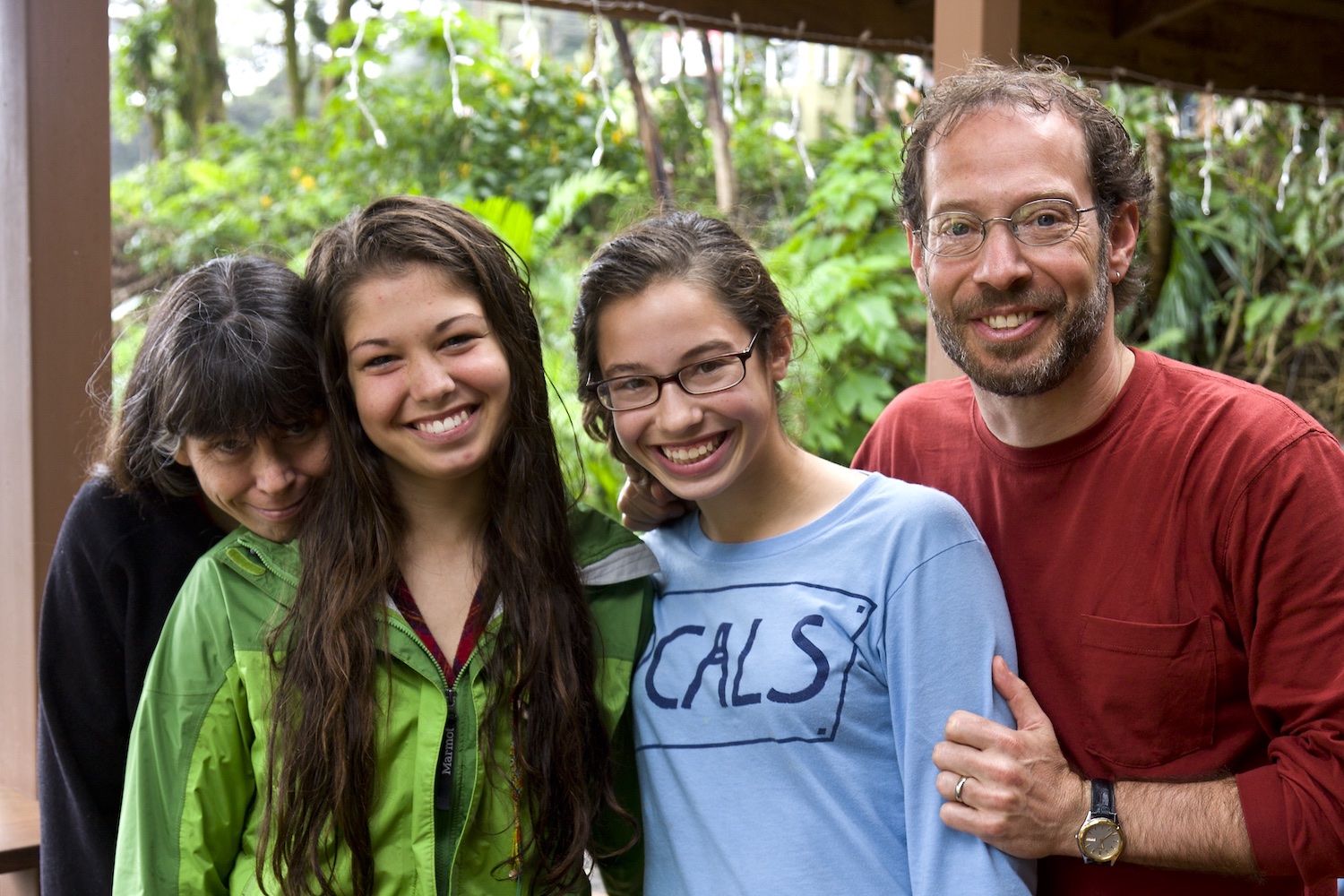 2. Have faith. I’m not talking about religious faith here (though if that’s your thing, great). I mean faith in each other and in what you share. That belief in the fundamental power of our bond has gotten us past some really hard times. The love might not always be palpable, but we KNOW it’s there, and that certainty gets us through.
 What about the rest of my life? What’s next in other realms?