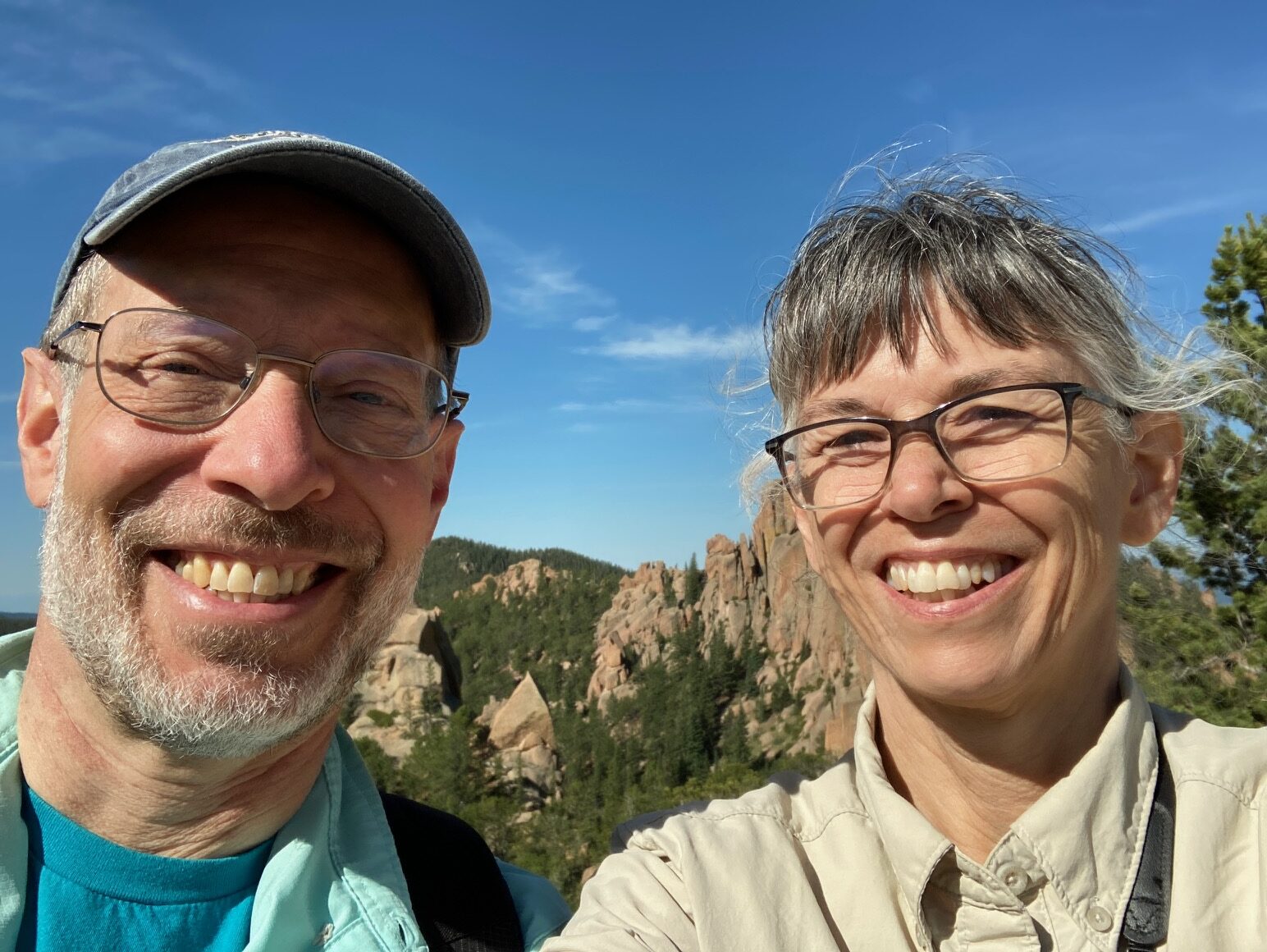
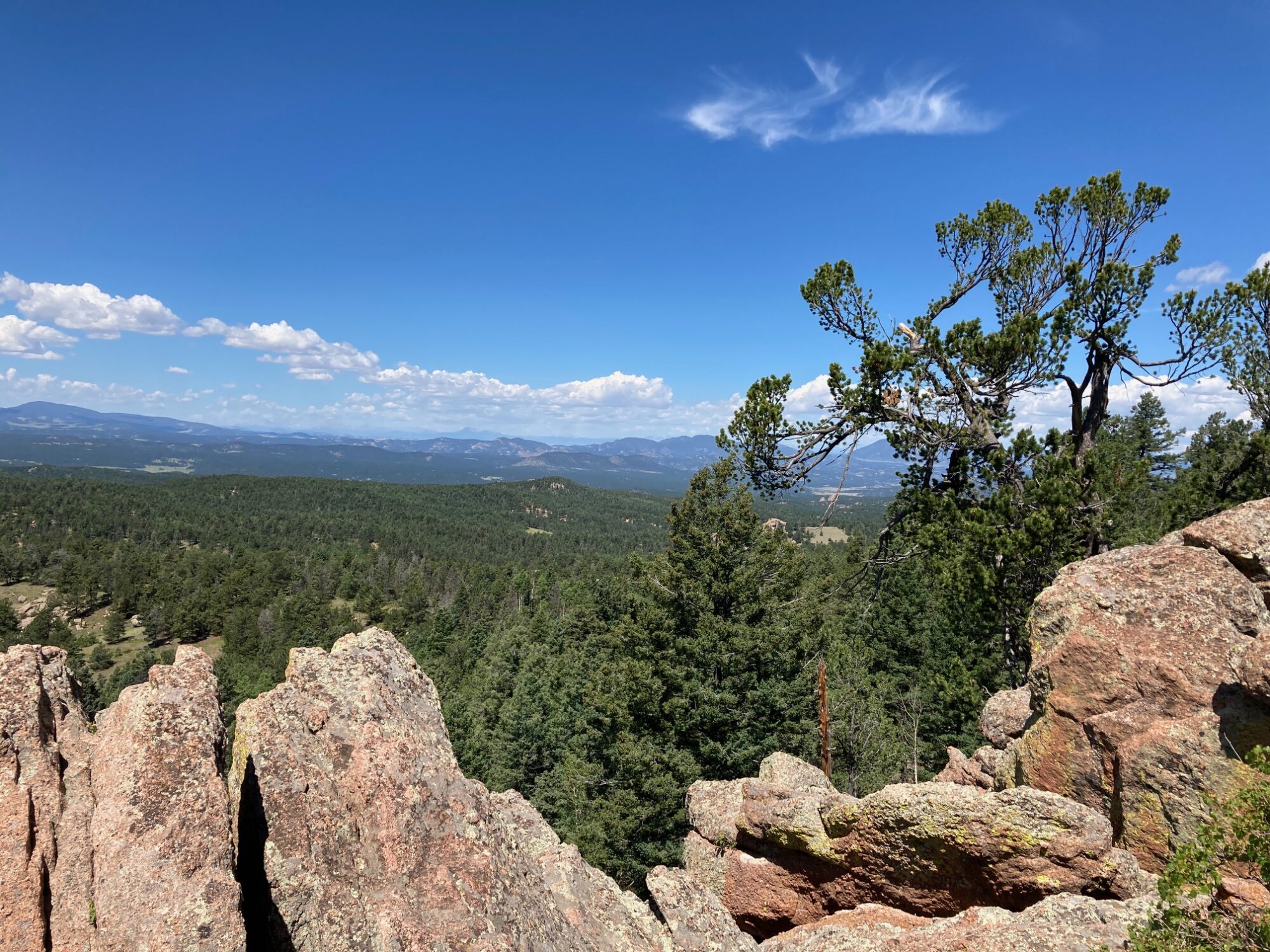
A few weeks ago, while we were vacationing in Colorado, I got high. When I was young — high school, college, and into grad school, I used to get high a lot. Too much, probably. But upon marrying Nancy and starting to pretend to be an adult, I gave up weed. For a long time, I was fine with that. I didn’t miss it. More recently, that began to change. I was curious: would I enjoy getting high now, as an old man, as much as I did as a kid?
Surprise! I did! I enjoyed it a lot. I took a gummy — a fraction of one, actually. I’m fully aware that today’s marijuana is a lot more potent than the stuff I was used to in my youth. And I ate the gummy with a clean conscience, since the evil weed is legal in Colorado. When I have the opportunity, I will do it again.
Why the confession?
The other day, I ran across an article in the New York Times that basically consisted of writers confessing to stuff they do that is of questionable morality and, in some cases, legality. Some of the testimonials were fairly mild — playing violent video games, shopping at Amazon. Others were more serious. One writer confessed to being a serial shoplifter. Another likes to drop acid at concerts. My confessions aren’t likely to be nearly so entertaining, but still I figured, yeah, I do some embarrassing stuff, too. So, why not?
For the record, as much as I dislike Amazon and lament the site’s impact on the literary marketplace, I shop there, too. All the time. All. The. Time. What can I say? It’s cheap, quick, convenient. I’m not proud of this, but this post is all about honesty, right?
I also play stupid games on my phone. Not violent ones — I don’t enjoy those. But dumb, wasteful, pointless? Check, check, and check. I play them daily. I do all the silly daily-goal tasks, I accumulate . . . stuff — whatever the game tells me I ought to accumulate. And I enjoy the games immensely. I am ridiculously pleased when things go well, and comically frustrated when they don’t.
I really, really enjoyed the Bridgerton spin-off, Queen Charlotte. Yes, I did.
I have a stunningly large baseball card collection. It numbers between 15,000 and 17,000 cards, the oldest being from the 1950s and the newest being from the early 2000s. I started collecting when I was five years old, and I still have many of those original cards. And I will admit that when I was a kid, I stole a few packs of baseball cards from a local store. Not proud of that at all.
I have watched the entirety of The West Wing — from series pilot to series finale, seven season’s worth, 154 episodes — at least ten or twelve times. What can I say? I love the characters, have long been a political junkie, and think that Aaron Sorkin writes like a god. I will also admit that during the George W. Bush Administration, and again during the Orange Guy’s Administration, I took refuge emotionally in the Bartlet White House.
I have a TERRIBLE sweet tooth. I manage to control it for periods, and I eat well in other ways. But oh, how I love my desserts. Candy, cookies (I love, love, love cookies) ice cream, cake, puddings. I just took a break from writing this post to eat a bunch of Nutella straight out of the jar. My favorites? Chocolate chip cookies, Twizzlers, any ice cream with caramel or butterscotch in it. There are a few things I don’t like — cheesecake, desserts with nuts in them, anything pumpkin flavored — but usually, if it’s sweet, I love it.
Yeah, okay. Most of this is pretty tame stuff. I don’t drink to excess. I don’t cheat on my wife. I don’t drop psychedelics or break the law or lie on my tax returns. The fact is, I’m pretty boring. I’m a nice guy. In most respects, I always have been. When I was young, I was the kind of guy women wanted as a friend, but weren’t drawn to romantically. I wasn’t in any way edgy or “dangerous” or exciting. I also wasn’t tall or good-looking, which didn’t help . . . .
But that’s okay. The same qualities that make me a bit boring also make me a good husband, a good dad, a good friend. I’ll take that any day.
Have a great week!
 My mind has been on Title IX again over the past month, as Nancy and I (and our daughters, while we were all together in Colorado) watched the Women’s World Cup. Soccer has long been a very big deal in our household. Our daughters grew up playing, first in weekend league soccer and then through middle school and high school. Both of them were accomplished players. Both of them continue to love the sport. And so we all look forward to the World Cup — men’s and women’s — the way we look forward to holidays and birthdays.
 World Cup soccer — men’s and women’s — begins with what is called group play. The field of thirty-two is divided into eight groups of four. Each group plays among themselves, three matches for each team, and they get three points for a win, one point for a draw, and none for a loss. The two teams with the best record from each group advance to the knockout stage, so called because there are no ties, and the loser of each match is knocked out of the competition.
 Despite American disappointment, these developments actually constitute incredibly good news for women’s soccer around the world. Title IX paved the way for the U.S. women to become a dominant team, and in many European nations, where traditional football is THE sport, women’s teams have access to facilities and funding. But in other places this is simply not the case. The Jamaican woman faced so many financial hardships in their preparation for this year’s Cup that they literally had to rely on crowdfunding in order to participate.
 I spent this past weekend going through my photos, processing the images, and selecting a few to put in a rotation of favorites that show up on my computer desktop and in my screensaver slide show. And as I work through these images, I have been thinking about photography in general and where the technology that is now available to photography hobbyists has taken us.
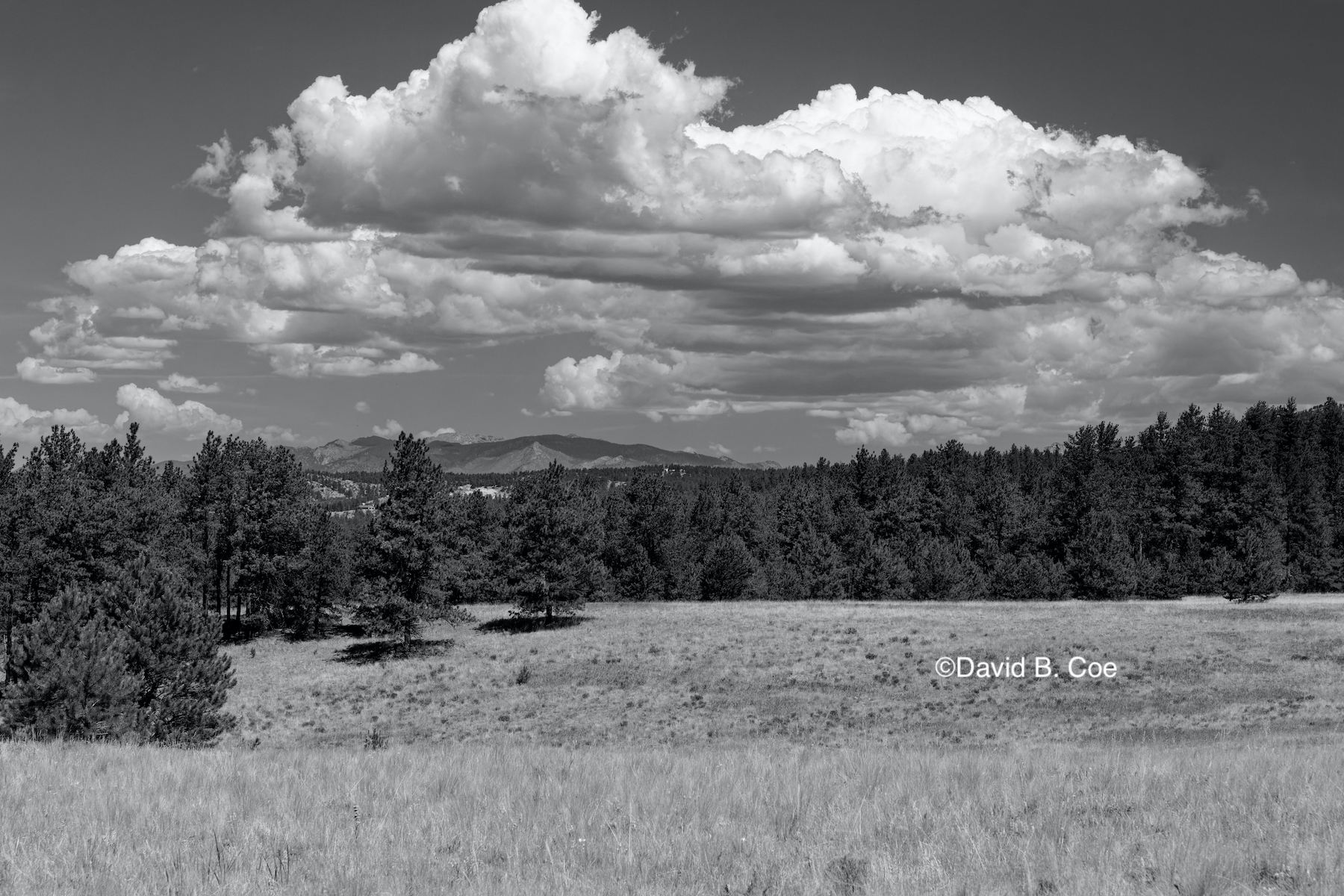 Some stores and processing centers were willing to consider special instructions — “please over- (or under-) expose slightly” or some such. But to be honest, I wasn’t good enough at that point to know with confidence that ALL my images would need the same special treatment, and so I just sent my film in and hoped for the best. More often than not, I was disappointed.
 Knowing what I do about the history of photography, I now understand how strange that consumer film process actually was. The old masters of photography — Edward Weston, Alfred Stieglitz, and most notably Ansel Adams did not leave it to Kodak or Fujifilm or any other commercial entity to develop their images. They held fast to every step of the creative process, from image capture to production of the final print. Photography as an art form was not limited to a mechanical blink of creative inspiration. Rather, it relied upon a complex and time-consuming manipulation of that initial capture, to turn the photo into exactly what the artist envisioned. Adams in particular used an approach he called “dodge and burn,” relying on a masterful understanding of darkroom tools and chemicals to darken certain parts of an image and brighten others. He and his contemporaries would never have dreamed of placing themselves at the mercy of film development labs.
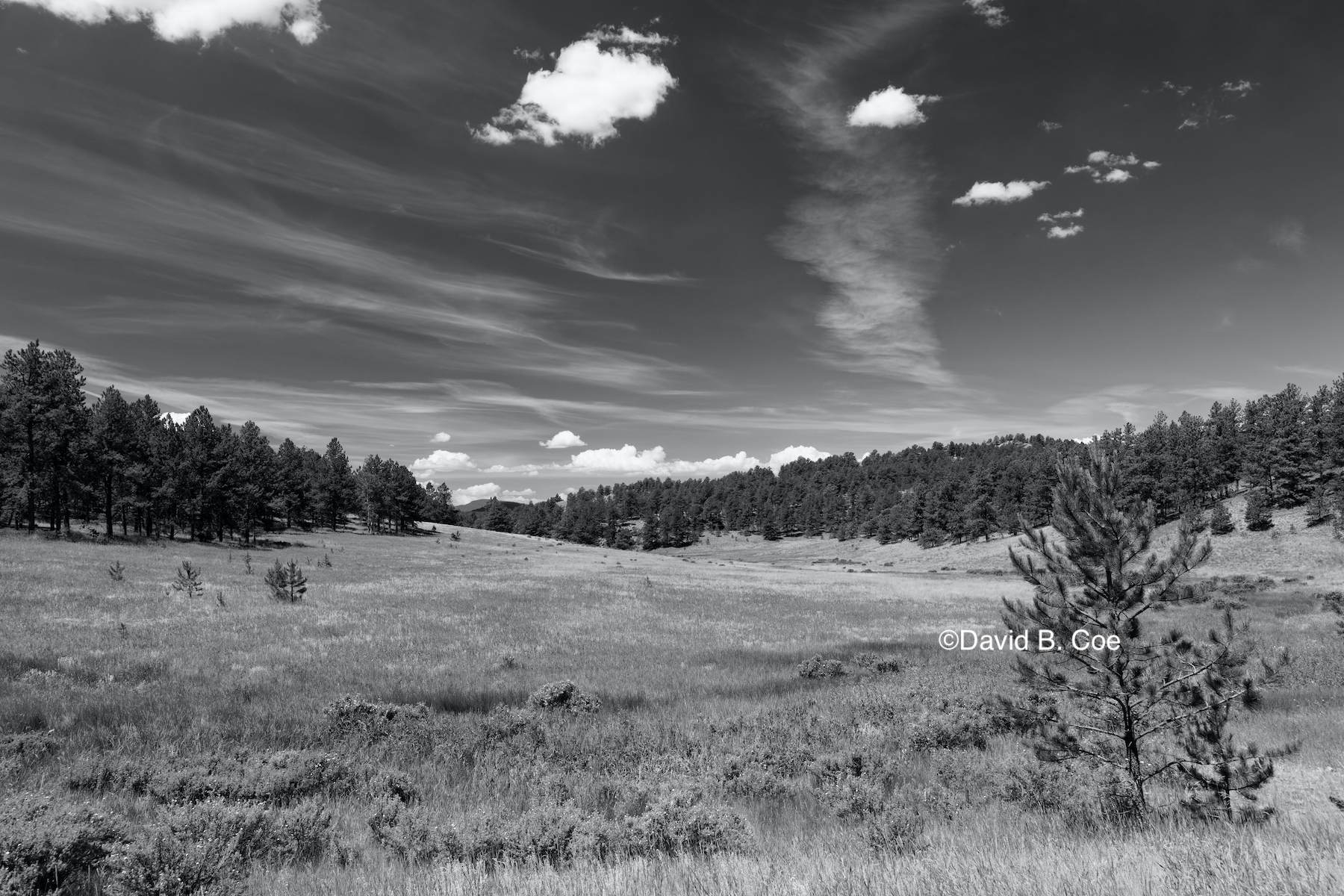 More, I no longer have to decide before going out in the field what sort of film to use. I can take an image that I know will work in color and follow it up immediately with one that I know I’ll prefer in black and white. Converting an image from color to grayscale is as simple as clicking a box. I love that freedom.