








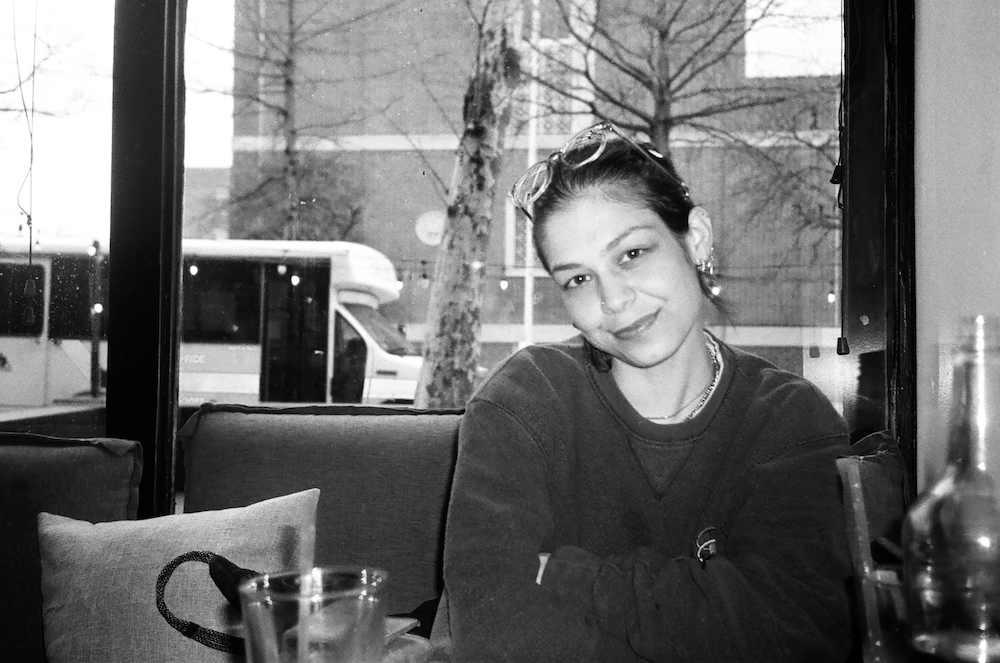
Alex, our darling older daughter, would have turned 31 today. This is our third year without her, and often the grief feels as fresh as it did the day we lost her. At other times, though — and this is, of course, a sign of healing, of acceptance — the pain recedes and we are left with wonderful memories that warm us and offer solace.
Today, I find myself thinking back to her twenty-third birthday. She had recently graduated from NYU and was building a life for herself in Brooklyn, surrounded by friends, totally acclimated to city life. Her college years had not been easy on our relationship. Throughout her first eighteen years, she and I had been remarkably close, and it was only natural that as she moved on to college and her adult life, she would need to distance herself some from Nancy and me both. Nancy handled that better than I did (no surprise there) and I was, at times, more controlling and overbearing than I should have been.
But in the winter of 2018, soon after New Year’s, Alex approached me about taking a trip together, just the two of us. I was touched, delighted, thrilled, and of course I leapt at the opportunity. We wound up deciding on a trip to the Escalante Wilderness in Utah that would correspond with her birthday. We started the trip in Kodachrome Basin State Park, spent a couple of gorgeous days in Bryce Canyon National Park, and then went to Petrified Forest State Park, before flying to our separate homes. A week together in some of the most spectacular scenery either of us had ever seen.
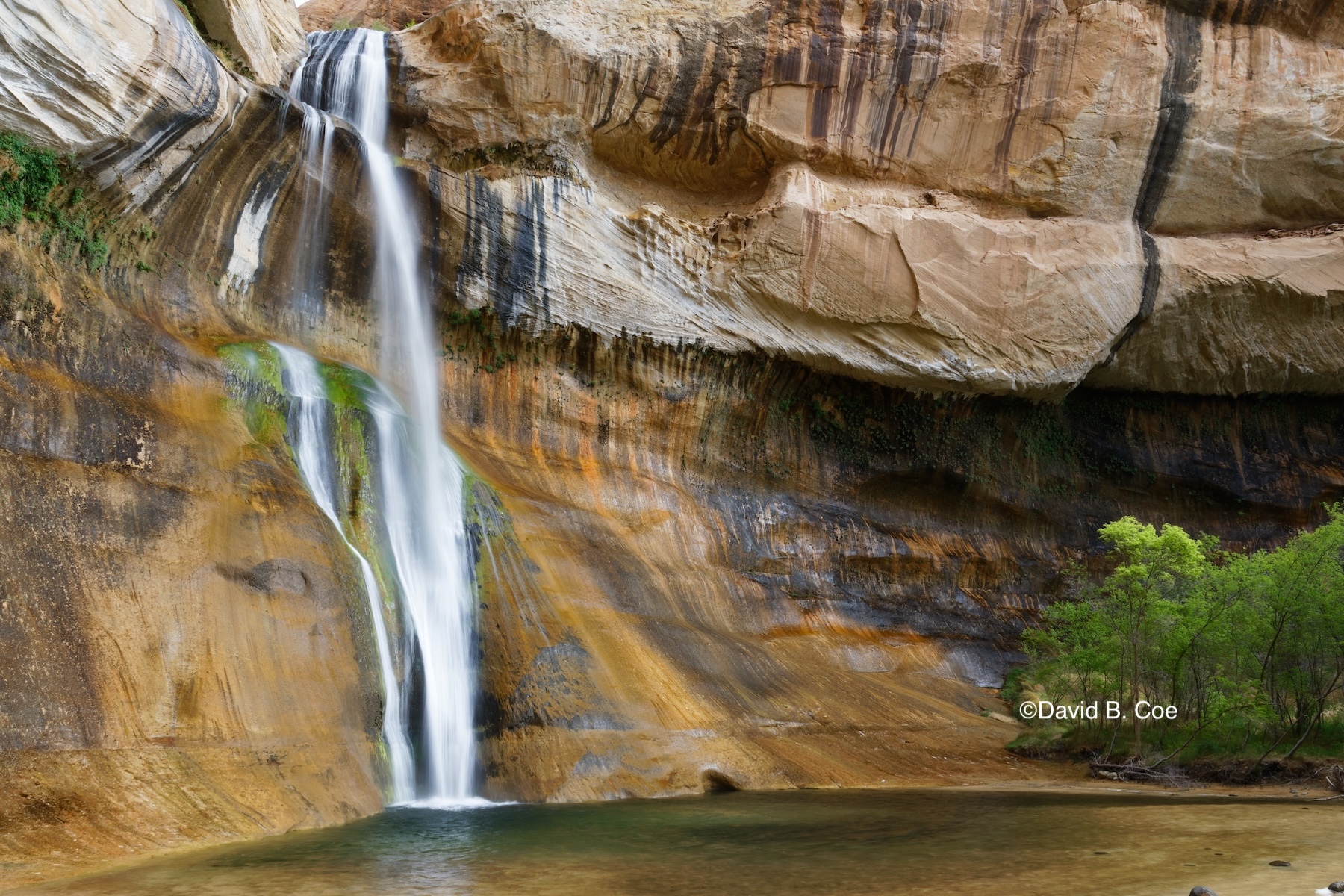 We spent Alex’s birthday in several spots. We got up early to hike Calf Creek Falls trail, through beautiful desert scrub amid dramatic stone cliffs. The falls themselves, a cascading white ribbon falling against mineral-stained stone walls, were amazing. From there, we went down a dirt road — Burr Trail — that was filled with small slot canyons to explore. And we finished the day in an area called the Devil’s Garden, a collection of stunning rock formations about 25 miles down another bumpy track called Hole in the Rock Road. We finished the day with instant pad Thai at our campsite, and a magnificent night sky.
The next day, we packed up and headed to Vegas for a sushi dinner and flights the following morning.
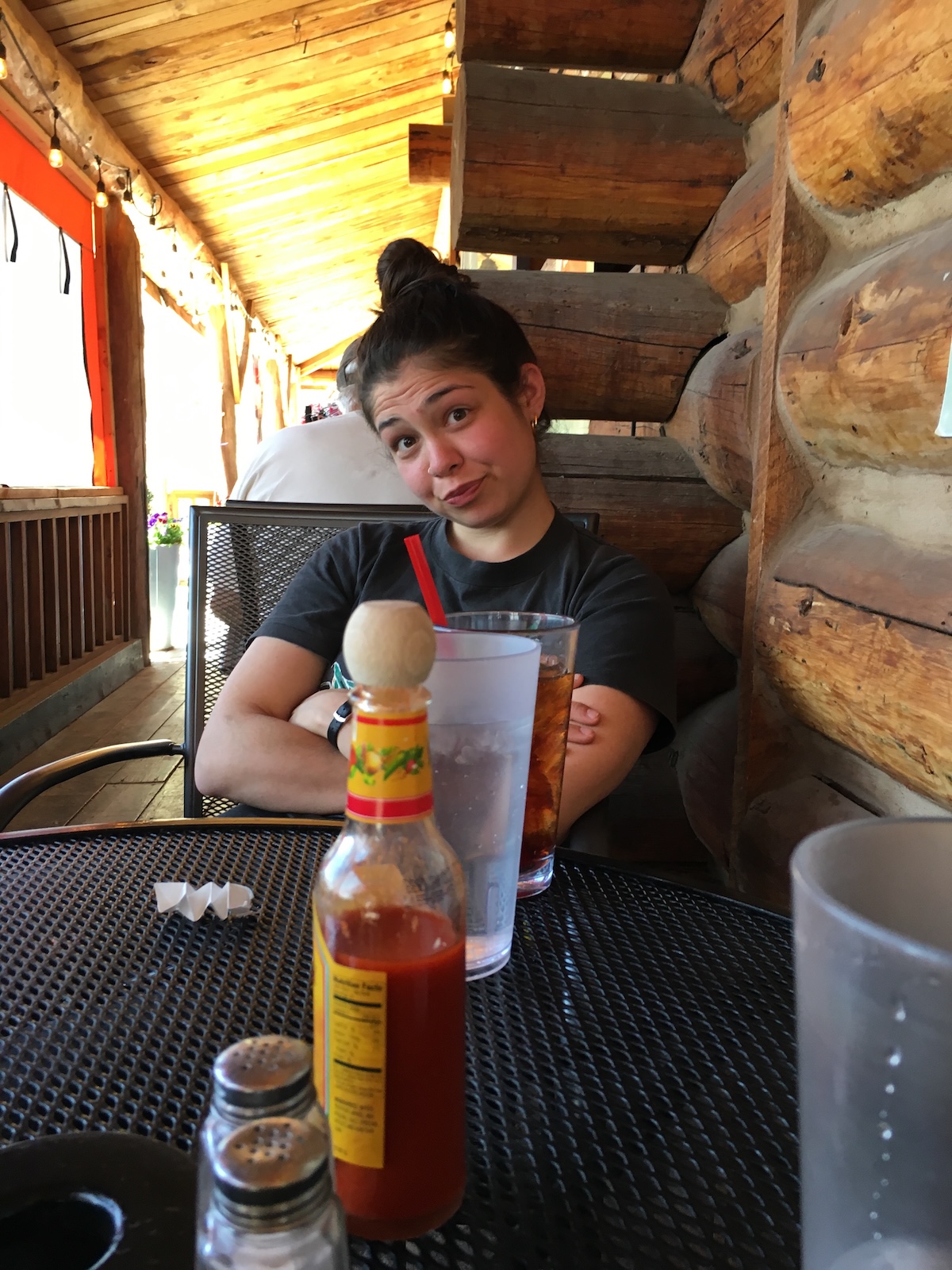 Our week together meant the world to me. I wasn’t sure if Alex felt the same way, but we certainly had tons of fun and got along beautifully. I don’t remember specific conversations, but in a way I think that speaks to the naturalness of our interactions, the ease of our time together. And years later, when we were in Brooklyn with her during her final weeks, I saw that she had the hiking map from Calf Creek Falls on the wall beside her bed, and the rock we had found for her at a rock shop outside of Bryce, sitting on a shelf above her pillow.
Small gifts that made clear to me that she valued the memories of that journey together as much as I did.
I would give anything to travel with her again, to hike with her again, to hear her laughter, to see her light up at the mention of some new music she’d discovered or the latest novel she’d read. I miss her all the time, every day.
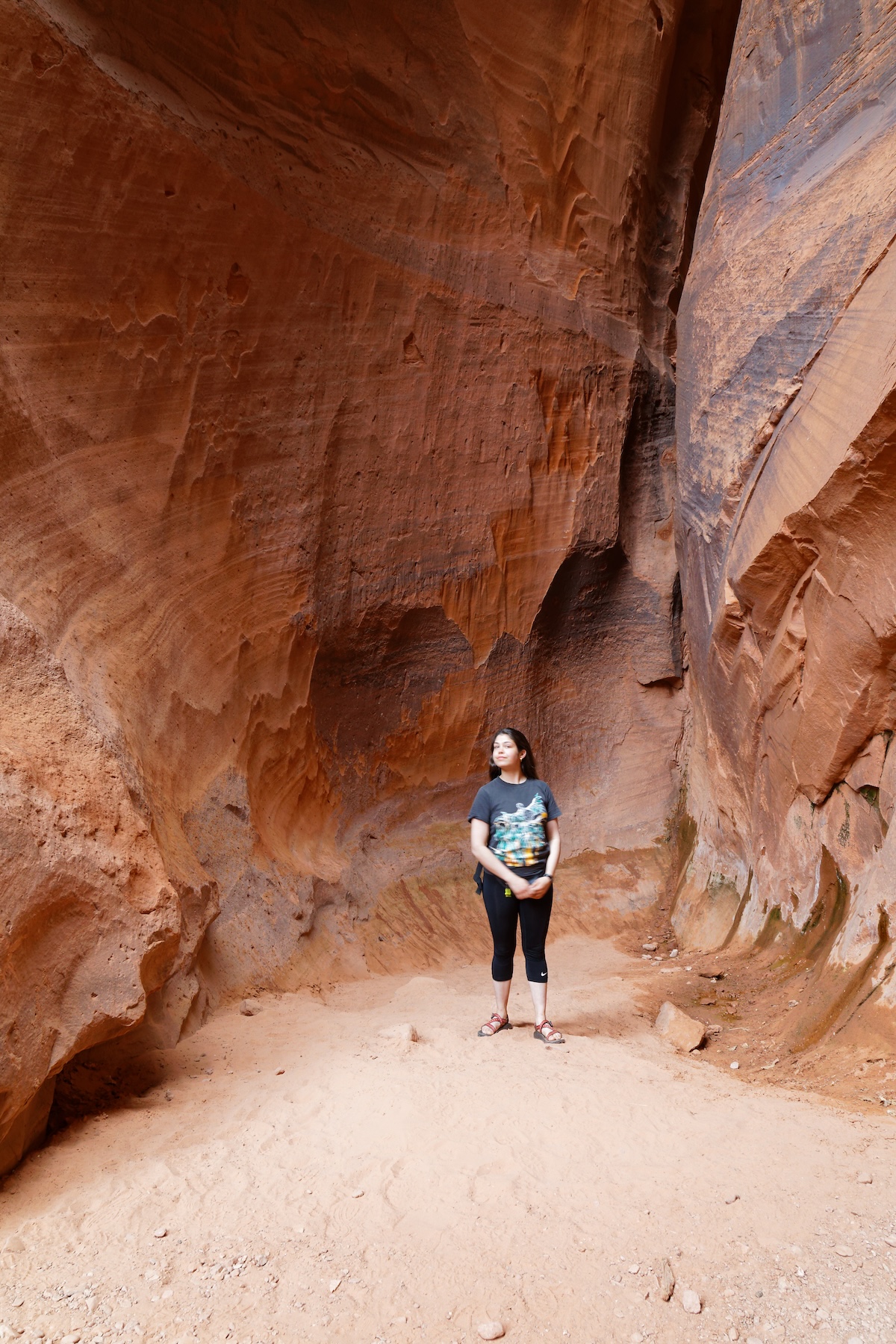
But the memories help. I still have that trail map, as well as that little polished stone. I still have literally hundreds of photos that I snapped during our week together. We were both obsessed with capturing images of the scenery around us. Now, I wish I’d taken more photos of Alex and fewer of the Escalante. But that’s a small matter.
Happy birthday, Sweetie. Thank you for that wondrous week, and all the other incredible times we shared. We love you to the moon and back.


 Last weekend, at ConCarolinas, I was honored with the Polaris Award, which is given each year by the folks at Falstaff Books to a professional who has served the community and industry by mentoring young writers (young career-wise, not necessarily age-wise). I was humbled and deeply grateful. And later, it occurred to me that early in my career, I would probably have preferred a “more prestigious” award that somehow, subjectively, declared my latest novel or story “the best.” Not now. Not with this. I was, essentially, being recognized for being a good person, someone who takes time to help others. What could possibly be better than that?
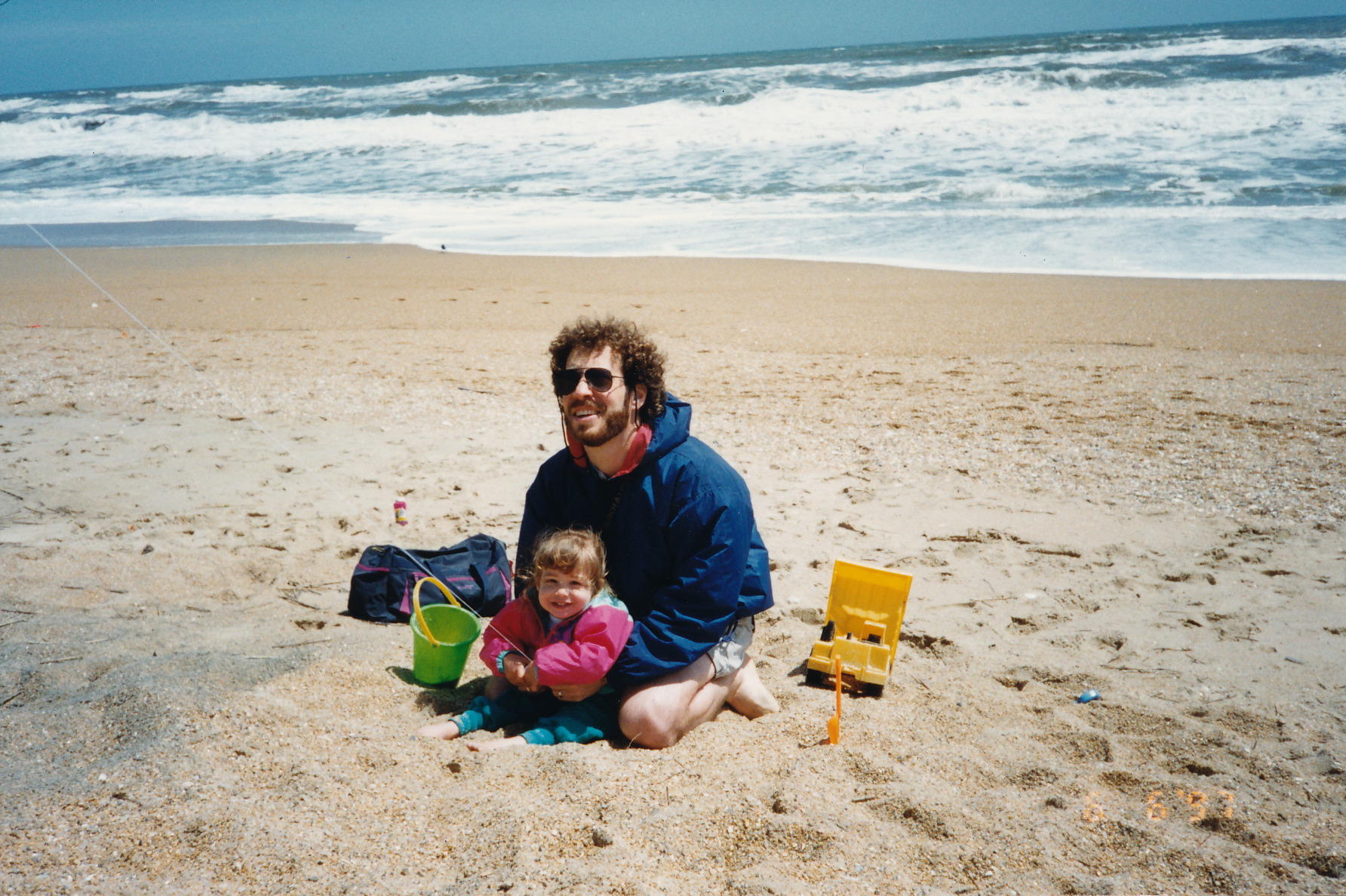
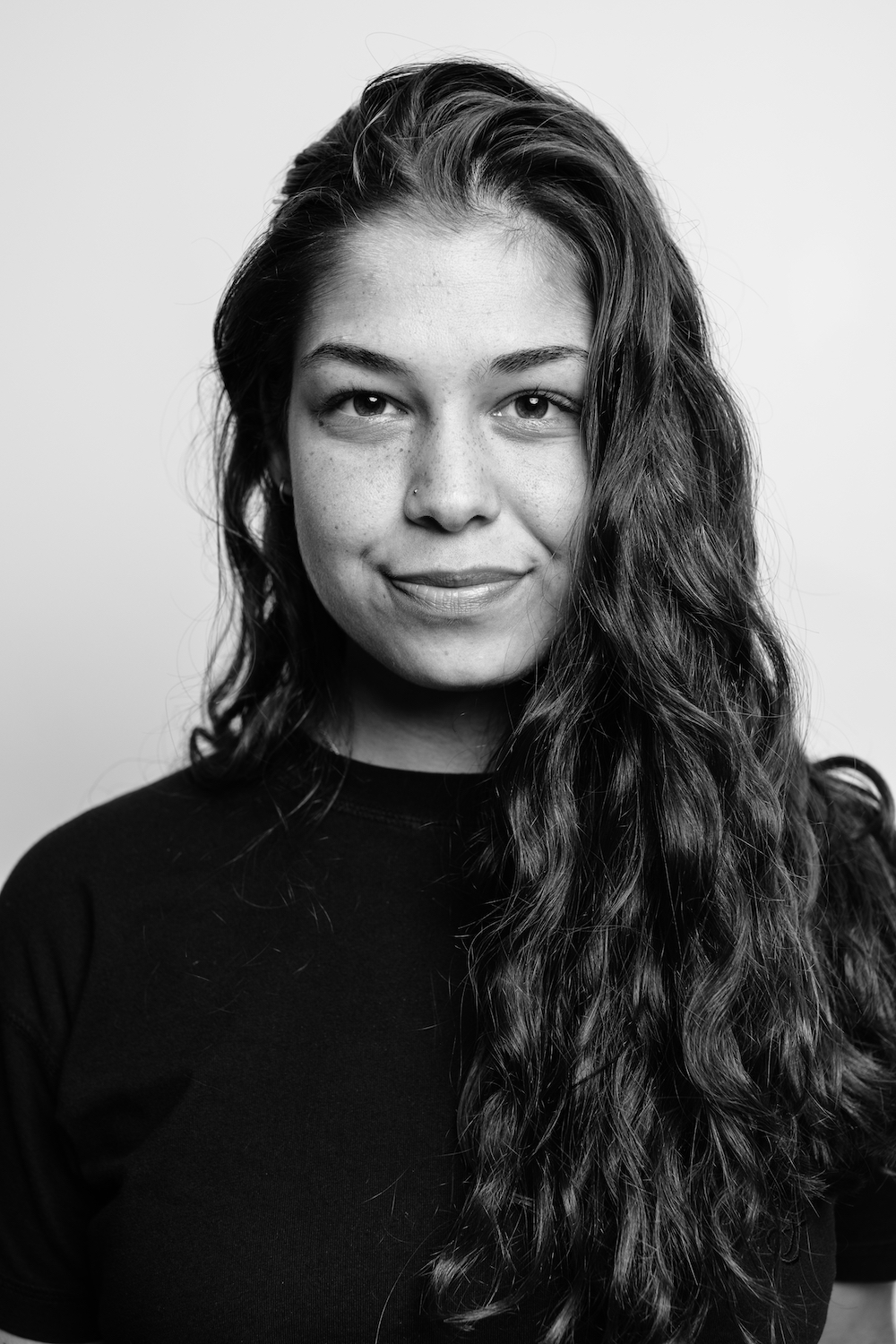 Our beloved older daughter would have been thirty years old today.
 Later we realized that the name was too small to contain her, too simple to encompass all that she was, all that she would grow to be. She might have been the smallest in her class, but she was smart as hell and personable, with a huge, charismatic personality. She might have been the smallest on her teams, but she was fast and savvy and utterly fearless. On the soccer pitch and in the swimming pool, she was fierce and hard-working. Size didn’t matter. She might have been the smallest on stage, but she danced with passion and joy and grace, and, when appropriate, with a smile that blazed like burning magnesium.
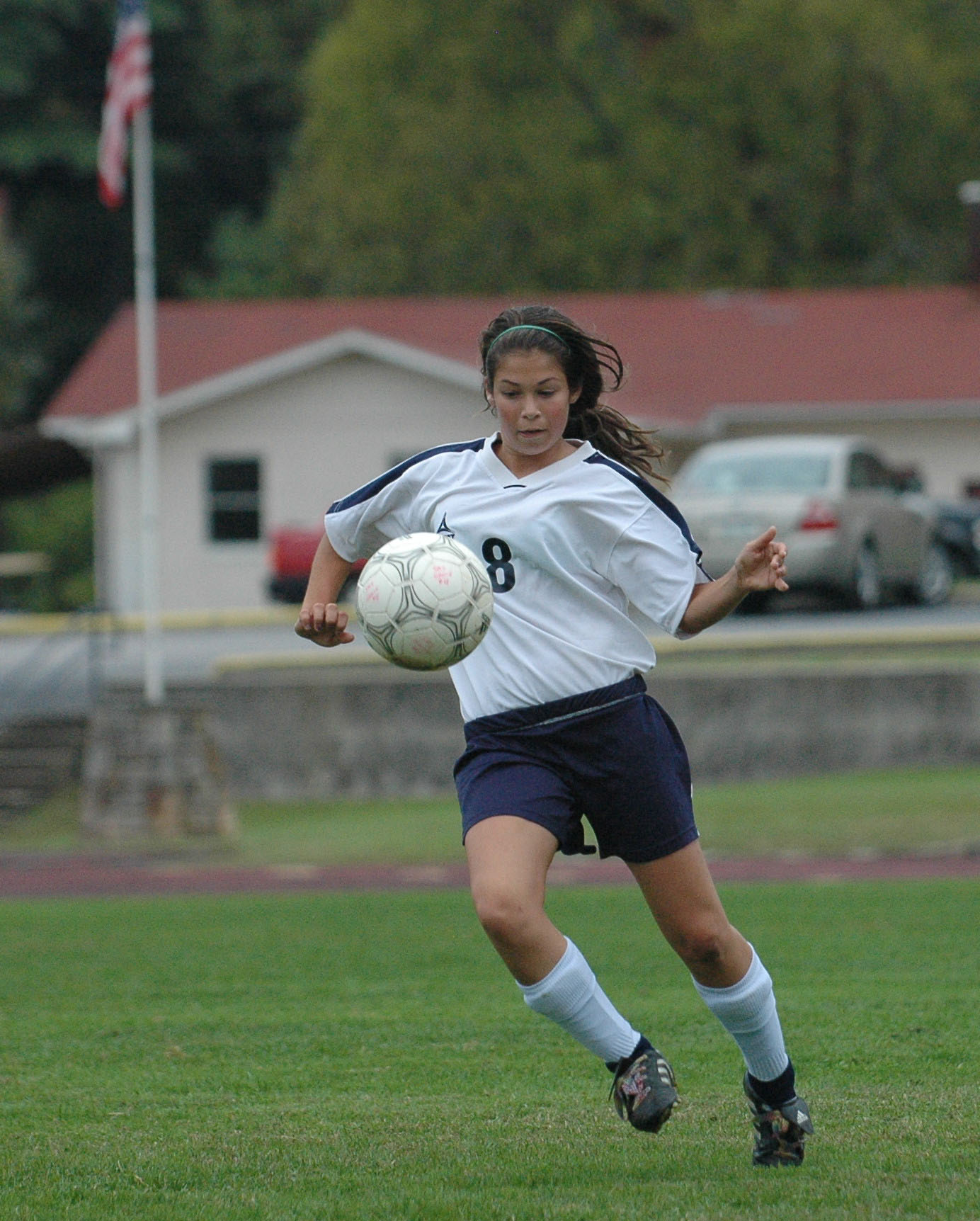 One time, in a soccer match against a hated rival, a player from the other team, a huge athlete nearly twice Alex’s size, grew tired of watching Alex’s back as she sped down the touchline on another break. So she fouled Alex. Hard. Slammed into her and sent her tumbling to the ground. I didn’t have time to worry about my kid. Because Alex bounced up while the ref’s whistle was still sounding, and wagged a finger at the girl. “Oh, no you don’t,” that finger-wag said. “You can’t intimidate me.”
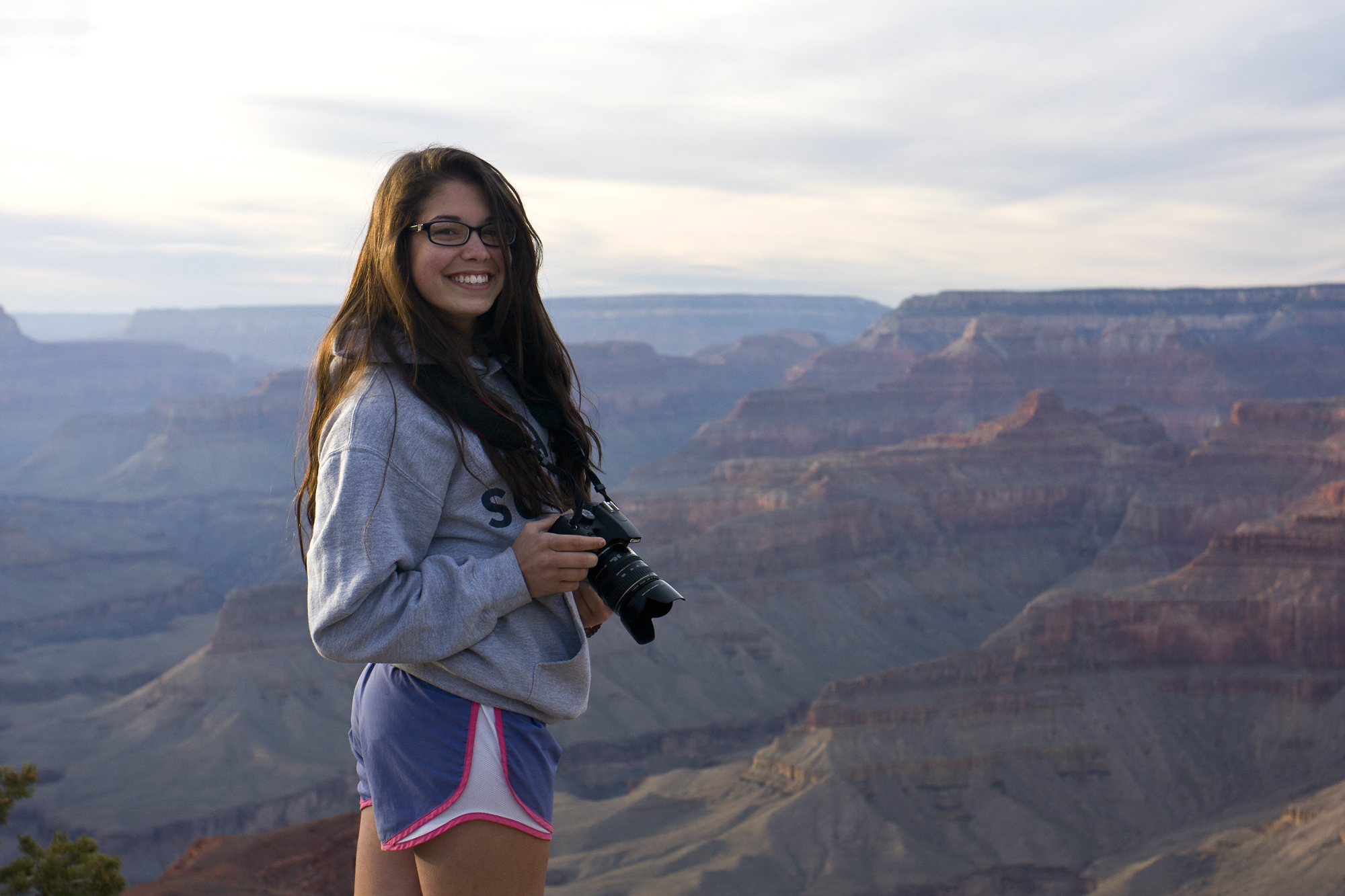 She was effortlessly cool, like her uncle Bill — my oldest brother. And she had a wicked sense of humor. She was brilliant and beautiful. She loved to travel. She loved music and film and literature. She was passionate in her commitment to social justice. She adored her younger sister. And she was without a doubt the most courageous soul I have ever known.
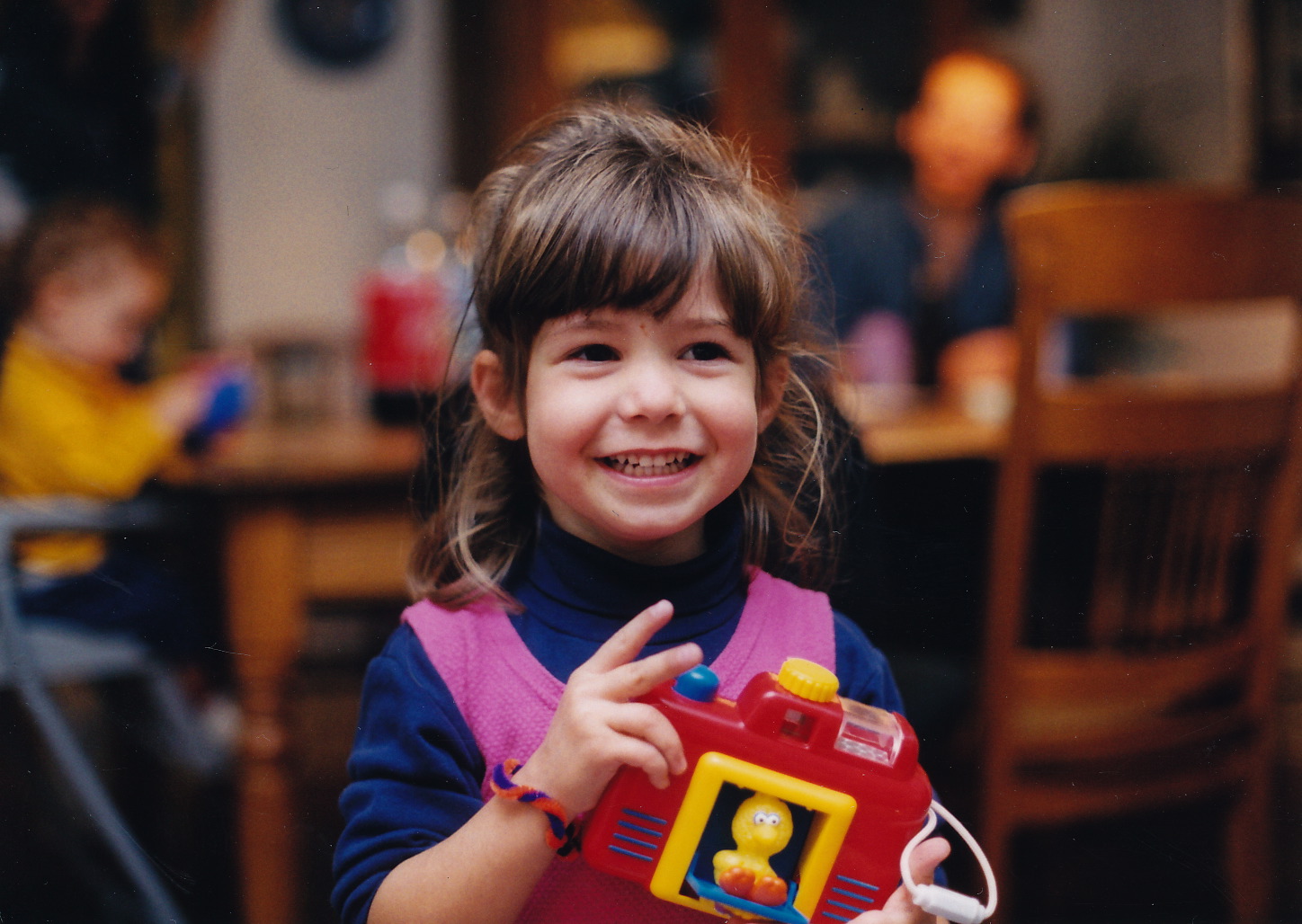 When Alex was three years old, Nancy took a sabbatical semester in Quebec City, at the Université Laval. I stayed in Tennessee, where I was overseeing the construction of what would become our first home. Once Nancy found a place for them to live, I brought Alex up to her and helped the two of them settle in. In part, that meant finding a day-school for Alex so that Nancy could conduct her research. We put her in a Montessori school that seemed very nice, but was entirely French-speaking. The first morning, Alex was in tears, scared of a place she didn’t know, among people she could scarcely understand. But we knew she would love it eventually, and as young parents, we had decided this was best. So we explained to her as best we could that we would be back in a few hours, that the people there would take good care of her, and that this was something we needed for her to do. I will never forget walking away from the school, with tiny Alex standing at the window, tears streaming down her face as she waved goodbye to us. And I remember thinking then, “She is the bravest person I know.” Remember, Alex, all of three years old, didn’t speak a word of French!!
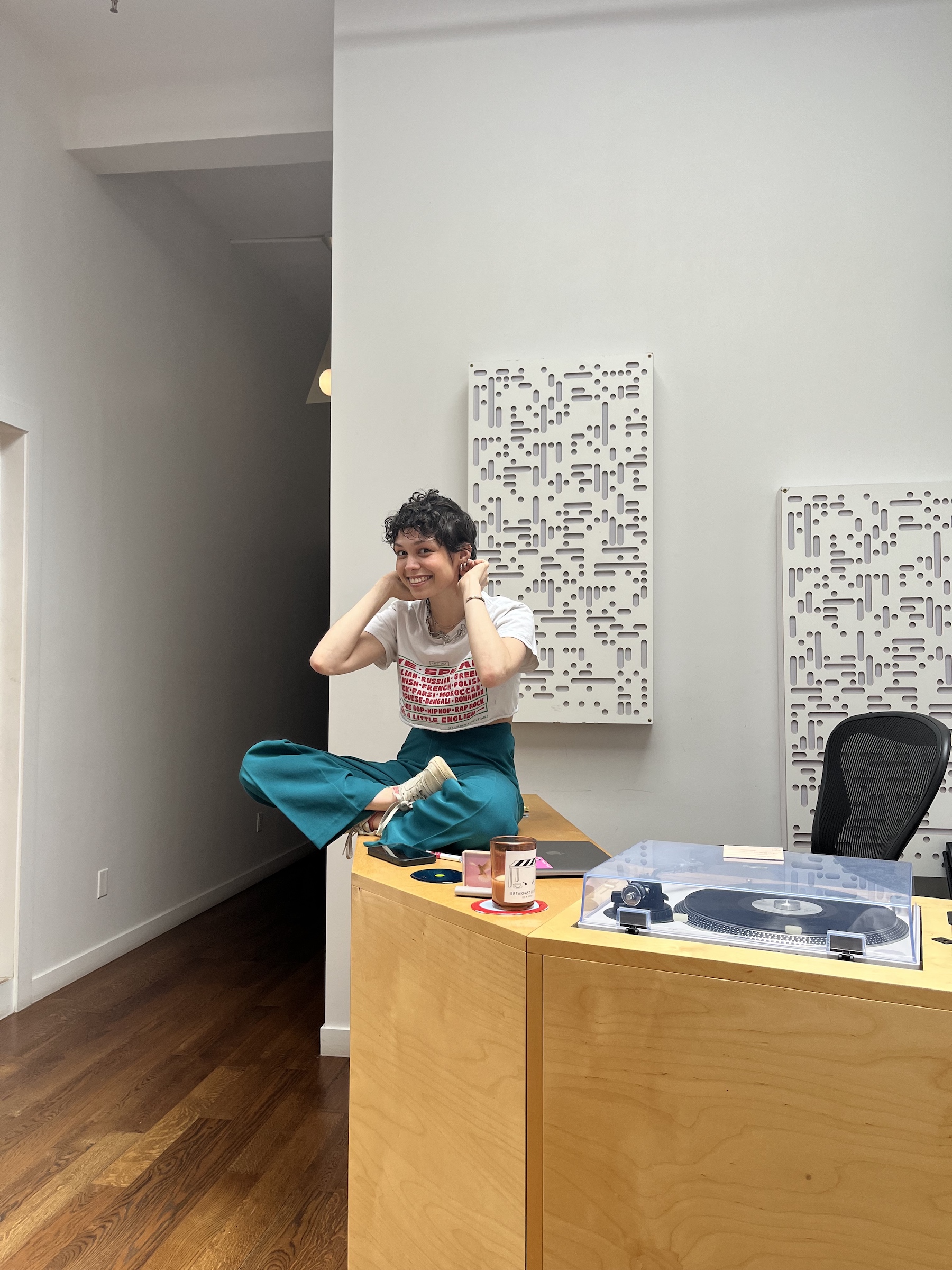 Her dauntlessness served her well on the pitch and in the pool, on stage and in the classroom. It fed an adventuresome spirit that took her to Costa Rica for a semester in high school, to the top of Mount Rainier with a summer outdoor program, to a successful four years at NYU, to Germany for part of her sophomore year in college, to Spain for all of her junior year in college, and on countless side-trips all over Europe.
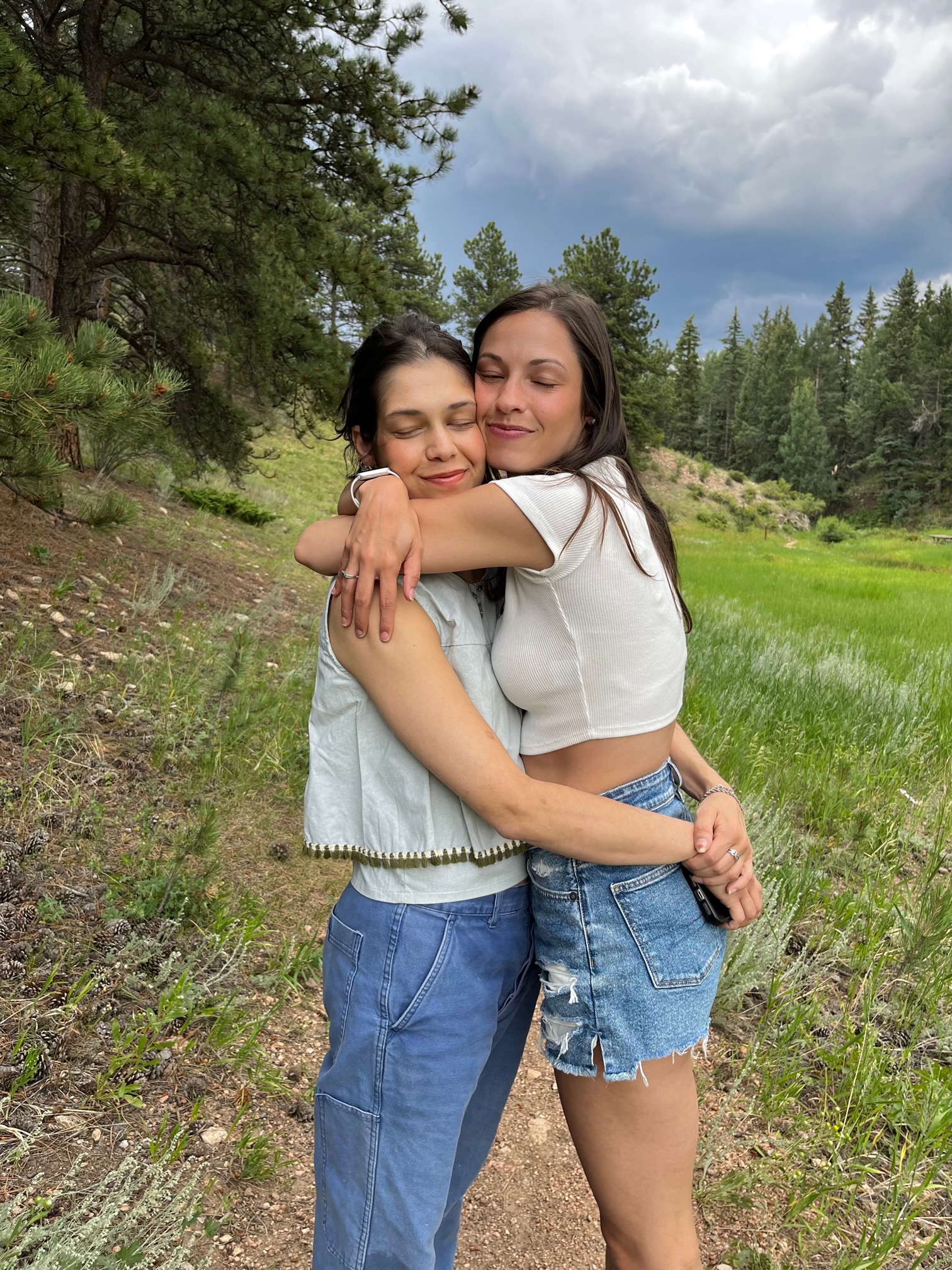 She was, in short, remarkable. I loved her more than I can possibly say. I also admired her deeply. To this day, I push myself to do things that might make me uncomfortable or afraid by telling myself, “Alex would do it, and she’d want me to do it as well.”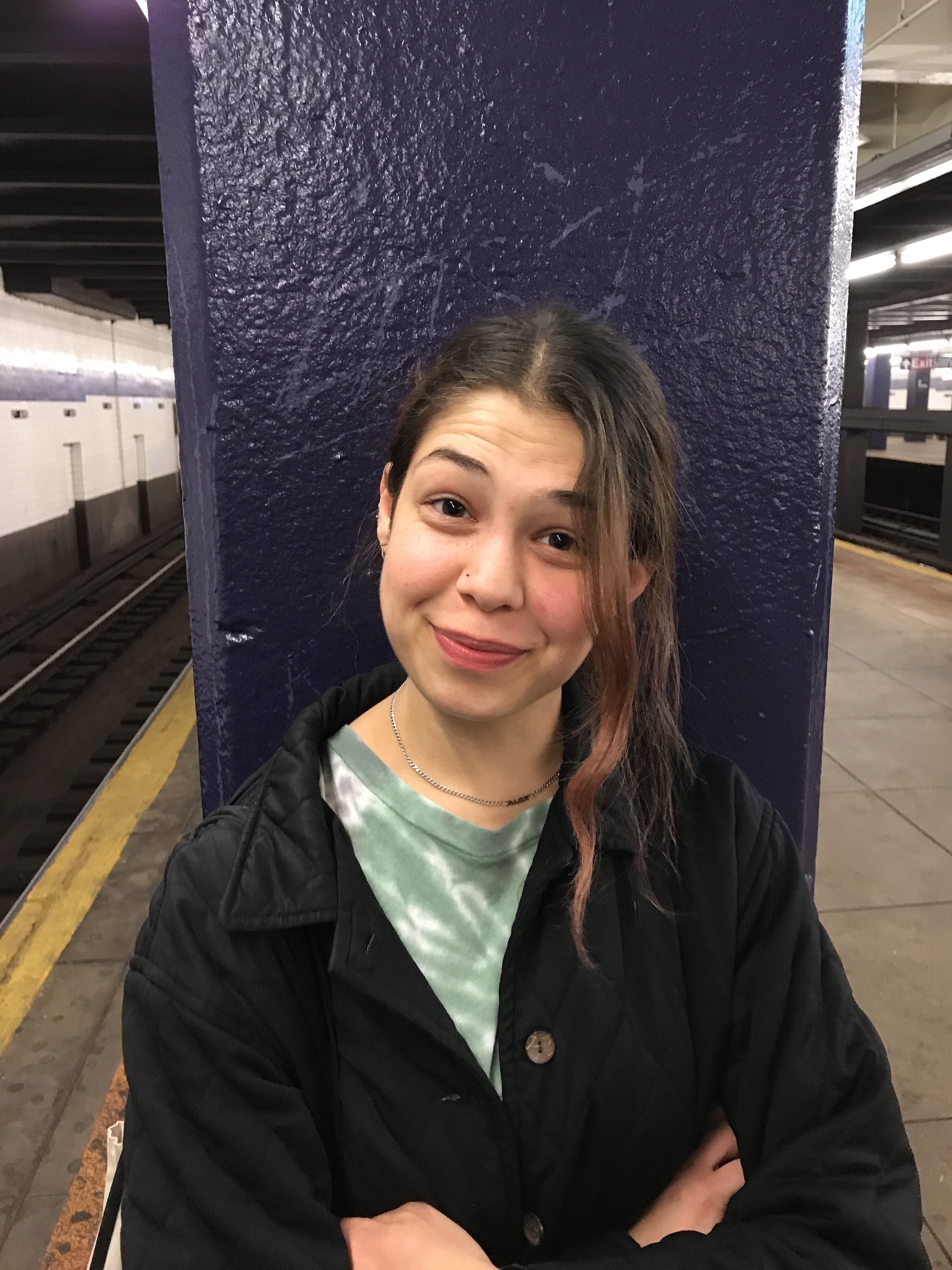
 Clara Bartels was born in Amsterdam and came to the United States as a small child. Her father was a diamond cutter, and diamond cutters were in great demand in the diamond district of New York City. She grew up around the block from Jacques Cohen, who later in life changed the family’s last name to Coe, and whose father also was a diamond cutter who emigrated from Amsterdam. They would marry, have three kids, and then divorce, bitterly, at a time when divorce was not really something people were supposed to do.



 More to the point, though, back in the day, I used to perform regularly. Along with my dear, dear friends Alan Goldberg and Amy Halliday, I was in a band called Free Samples. Three voices, two guitars. Acoustic rock — CSN, Beatles, Paul Simon/Simon and Garfunkel, James Taylor, Bonnie Raitt, Joni Mitchell, Pousette-Dart, etc. We performed several times a semester, usually at the campus coffee house, but also at special events during which we shared the evening with other acoustic bands.
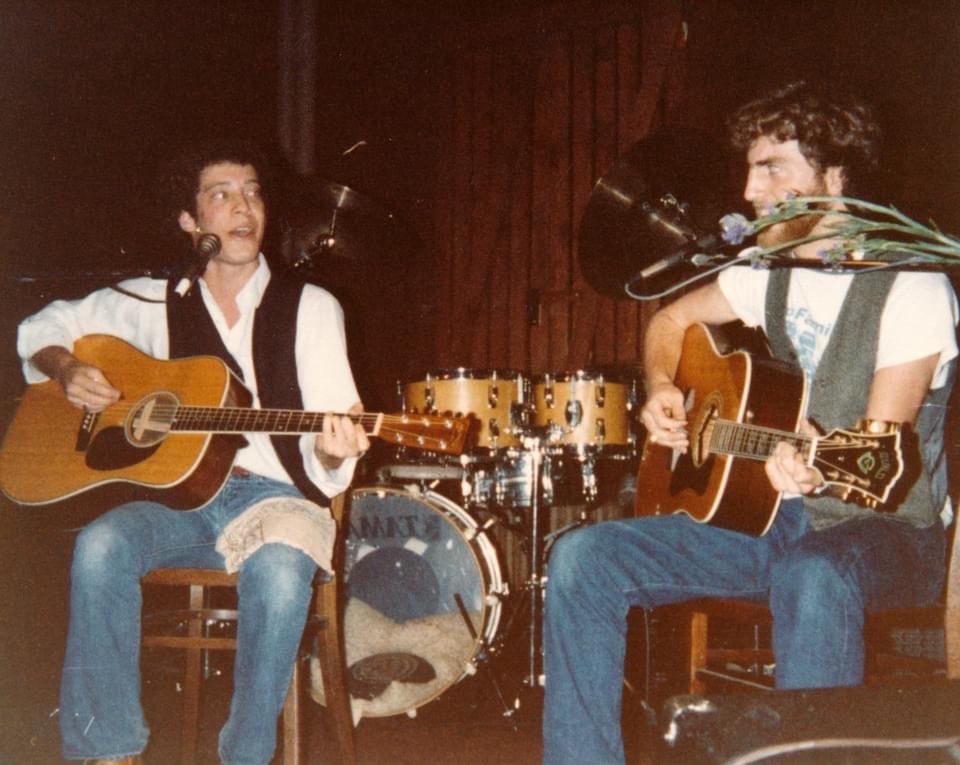 As I made clear earlier, I am not the player or singer I used to be, mostly because I don’t work at it as I once did. And so I’m afraid I’ll sound bad. Alan and Dan have played together a lot over the past several years, including live performances and online concerts they gave during the pandemic. They sound great as a twosome and I don’t want to ruin that. They have terrific on-stage rapport, just as Alan and I did back when we were young. I don’t want to get in the way of that, either. And I have overwhelmingly positive memories of my performing days. I don’t want to sully those recollections with a performance now that is subpar. I don’t want to embarrass myself.