








Every day, I receive emails telling me how great my books are and offering to help me tell the world about said books so that I can make more money. These emails tell me about the books as if I haven’t read them (much less written them), listing their virtues, highlighting unique elements of my world building, and cataloguing the travails faced by my characters. And all these details are one hundred per cent accurate, which isn’t surprising given that they’re lifted straight from the blurbs I’ve written for my back covers and website pages.
Some of the emails offer me representation (though I already have a wonderful agent). Others promise to upgrade my social media presence and thus introduce my novels to new readers of fantasy/science fiction who are bound to fall in love with them. And still others claim to represent communities of readers who hunger for new authors and books. In all these cases, I need only respond to the email with an expression of interest and they will fill me in on all they can do for me and (this part is left quite vague) what these invaluable services will cost me.
 I have assumed that all of these emails are sent by bots, and that may be the case for most of them. But one time, I received an email addressed to D.B. Jackson that referenced a book I didn’t write. There is, in fact, another D.B. Jackson, who writes critically acclaimed Westerns. I usually just trash these phishing messages, but this one was so off-base that I sent a snarky reply, saying something like, “If you’re going to try scamming me, at least message me about a book I wrote.”
To my surprise, I received a reply from an aggrieved publicist who assured me that she was not trying to scam me, but was just sending out emails in the hope of drumming up business for her newly-fledged company. She and I exchanged enough messages to convince me (almost) that she was a real person. Her emails were clearly AI-generated, but the content read as basically sincere. I did not engage her services, though, and I took care not to share with her any personal information.
I know, from online and in-person conversations with other writers, that the kind of spam I’m describing here is pretty universal. We all get the offers. All of us, it seems, have written books that “stand out,” that these would-be agents, publicists, and influencers “admire,” and believe “deserve readers.” All of us are having our own blurbs thrown back at us as evidence that the solicitors really have read and loved our books. All of us know it’s bullshit.
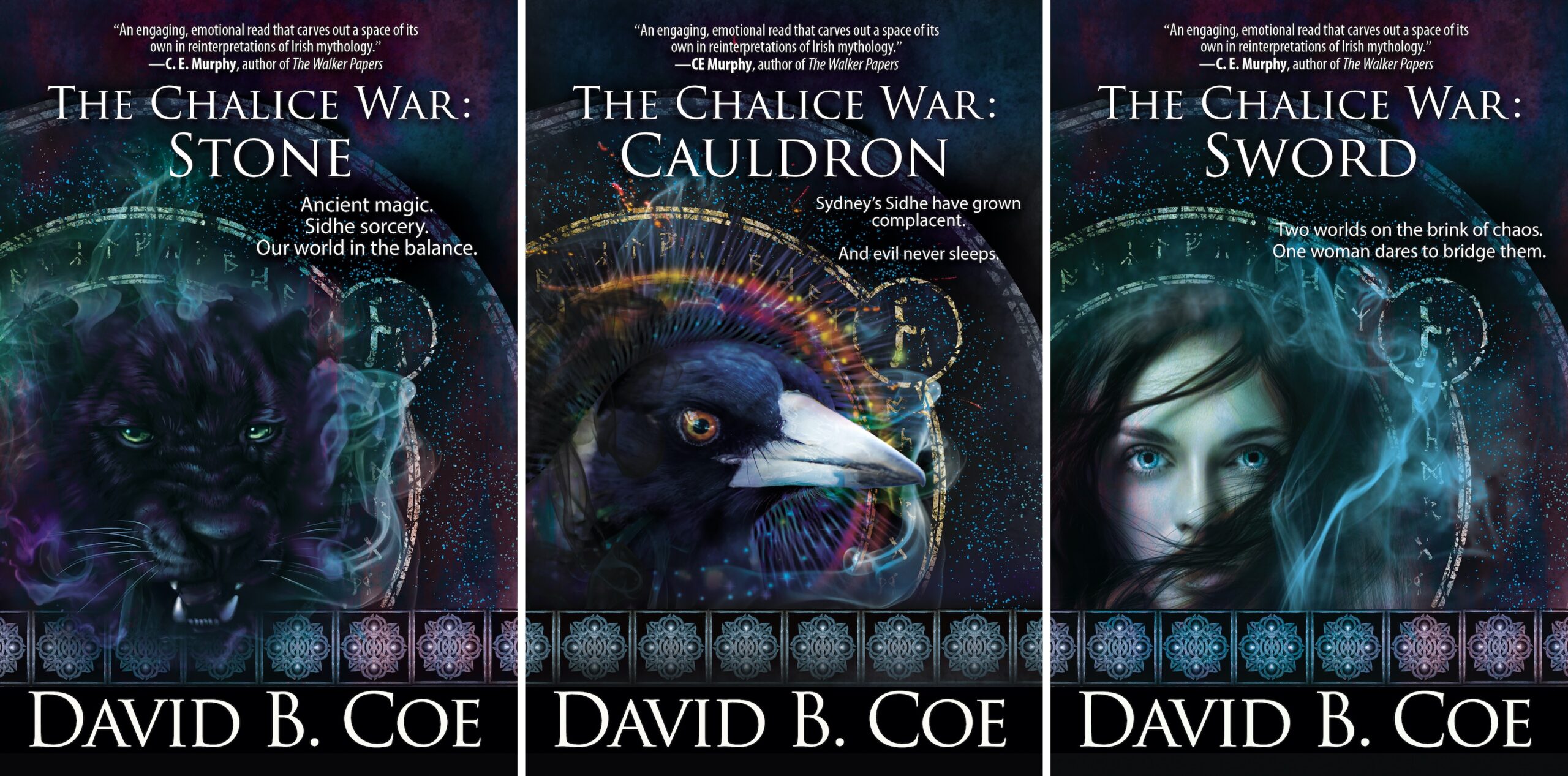 And yet, I have a colleague who was recently scammed into sharing with phishers some sensitive information about their book. This person is a long-time pro, someone who has enjoyed success in the publishing industry and writes terrific books. But the last several years have been rough on artists of all kinds, authors included. Many of us, like this colleague, are looking to jumpstart stalled careers. And with these scam emails constantly growing in sophistication, it is not always easy to separate the cons from the real opportunities. I saw enough of what lured in my colleague to know that I might well have fallen for the scam as well.
Recently, my agent sent me (and the rest of her writers) a message warning us of a new scam that appears to come from her agency. “The e-mails are tricky,” she writes, “because they don’t look like scams at first. They often start as a friendly check-in, asking how you’re doing and how your book is going, with nothing that looks like a sales pitch. Once you reply, they move to offering paid ‘promotional opportunities’… In the back and forth, scammers can gain access to information about your career that could be used against you.” And yes, I am certain this email actually came from my agent. At least, I think I am…
What makes all these scam emails so insidious is that they prey on our hopes, our ambitions, our dreams. They’re not just trying to get our credit card numbers or convince us that some wealthy baron in the U.K. has, for reasons passing understanding, included us in his will. These people are using our art as a weapon against us. Many of us want desperately to get our written work out into the world, to be read and enjoyed, to have our stories appreciated by others. As dreams go, this is a fairly modest one. And these creeps want to exploit our aspirations for their own gain.
 As I said before, the scams continue to grow more sophisticated and therefore more difficult to spot. But there are a few things to look for. Always check the return emails attached to the emails. Don’t actually click on them, but mouse over them. If they claim to be from someone you know, compare the email addresses to what you have on file, or, even better, in a separate email, write to your contact and ask if they sent such a message. Or call to confirm.
If an email message seems off in any way, be wary. Don’t click on any attachments or links. If the language in the email strikes you as odd, compare it to your own blurbs about the works in question. If your language has been lifted, that is an automatic red flag. And if the email offers services and hints at a cost to you, chances are it’s a scam. Most agents, editors, and publishing professionals understand the basic principle of the literary world: Money flows TO the writer. Whenever we are asked to pay upfront costs, we should be suspicious. If you are wondering about specific agencies or publishers, you can visit Writer Beware, a fantastic site that seeks to warn us writers about all things scammish. You can subscribe to the site for no charge.
We all want to be discovered. We all are subject to flattery. When we’re told our book is just what the agent/editor/publicist has been looking for, we are bound to be drawn in just a little. But sadly, in this as in so many aspects of life, if the offer seems too good and too fortuitous to be true, it probably is.
Be safe out there. And have a good week.