A bit less than two months ago, when our lives still resembled something akin to normal, I wrote a Monday Musings post about getting started at work and overcoming distractions.
Then the coronavirus took over our world and changed the equation, and so today I return to the topic.
First off, I want to draw a distinction between managing distractions and being distracted. [And this is my thinking for the purposes of this post. I am not claiming that this is something inherent in the language.] By “managing distractions,” I mean dealing with the day-to-day chores and intrusions that, not so long ago, were excuses to procrastinate and avoid creative production.
This may seem like semantics, a distinction without meaning, but to my mind, right now, “being distracted” is something else entirely. We are distracted when the world intrudes on our thoughts and routines in ways that deserve and demand our attention, that can’t be put off or ignored. Put another way [and again, this is my distinction for this post] distractions tend toward the trivial, while being distracted is an emotional state.
I am very good at managing distractions. But these days I am distracted. My thoughts are on the virus, the effect it’s having on our society, our economy, our politics. I find it incredibly difficult to concentrate on my work. The second half of last week, I started a new project, and though I am always slow at the beginning of something new, I got a total of 2,600 words written in three days. My usual pace is 2,500 per day.
I am constantly checking my email and social media links for updates, news, word from friends and colleagues. And even when I force myself to stick to the task at hand, my thoughts wander, my creativity flags.
When I wrote about distractions several weeks ago, I had lots of suggestions for how you might hold them at bay. This, though… This is different. I have no answers for myself, much less for others. I can only offer what I am trying to tell myself, day in and day out.
First, this isn’t forever. True, we don’t know how long this crisis will last, but I refuse to accept that somehow this is “the new normal” or some such. (Hate that phrase, by the way: “The new normal.” Yuck. At some point I’m going to do an entire post about all the crappy turns of phrase that make my skin scrawl. Right now, though, that’s just another distraction.) (See what I did there…?) It may take a month, or six, or twelve, but we will get our lives back. I’m convinced of that.
Of course, that doesn’t make me any less distracted right now. So the second thing I’ve tried to do is be accepting of my own limitations. This is an extraordinary time. It’s natural to be distracted, to be fearful or unsettled or even angry at the world. And it follows that we will be less productive, less than our professional best. Which is not to say that all of us are. Some might be reading this thinking, “What the hell is Coe going on about? I’m churning out 5,000 words a day. This is a Godsend. An excuse to stay home and do nothing but write? Love it!” If that’s you, great. I’m happy for you. I’m envious. Because that’s not me right now at all. And, frankly, it’s not really anyone else I know either. But good on you! You go, person!
For the rest of us, it’s all right to be a little less productive, to want to know what the latest is on the current insanity. Give yourself a break and accept that just as the world will adapt and return to even keel, so will you. As with regular, run-of-the-mill distractions, I have tried these past couple of weeks to ration my news-hunting. “500 words, and then I can see what’s trending on Twitter now.” Or something of the sort. I haven’t been all that successful with this so far, but I’m hoping…
But really, my point as I began this post wasn’t to offer advice. Mostly, I’m writing this to say that if you’re struggling right now, you’re not alone. I know many who are. The world has ground to a halt, people are freaked out, and somewhere men and women of, shall we say, odd disposition are doing something bizarre with all those rolls of toilet paper… Be good to yourself and to the people around you. Very few of us are at our best right now. Distractions are easy. Being distracted like this is a struggle.
Wishing you a safe, calm, and, if you want it, productive week.
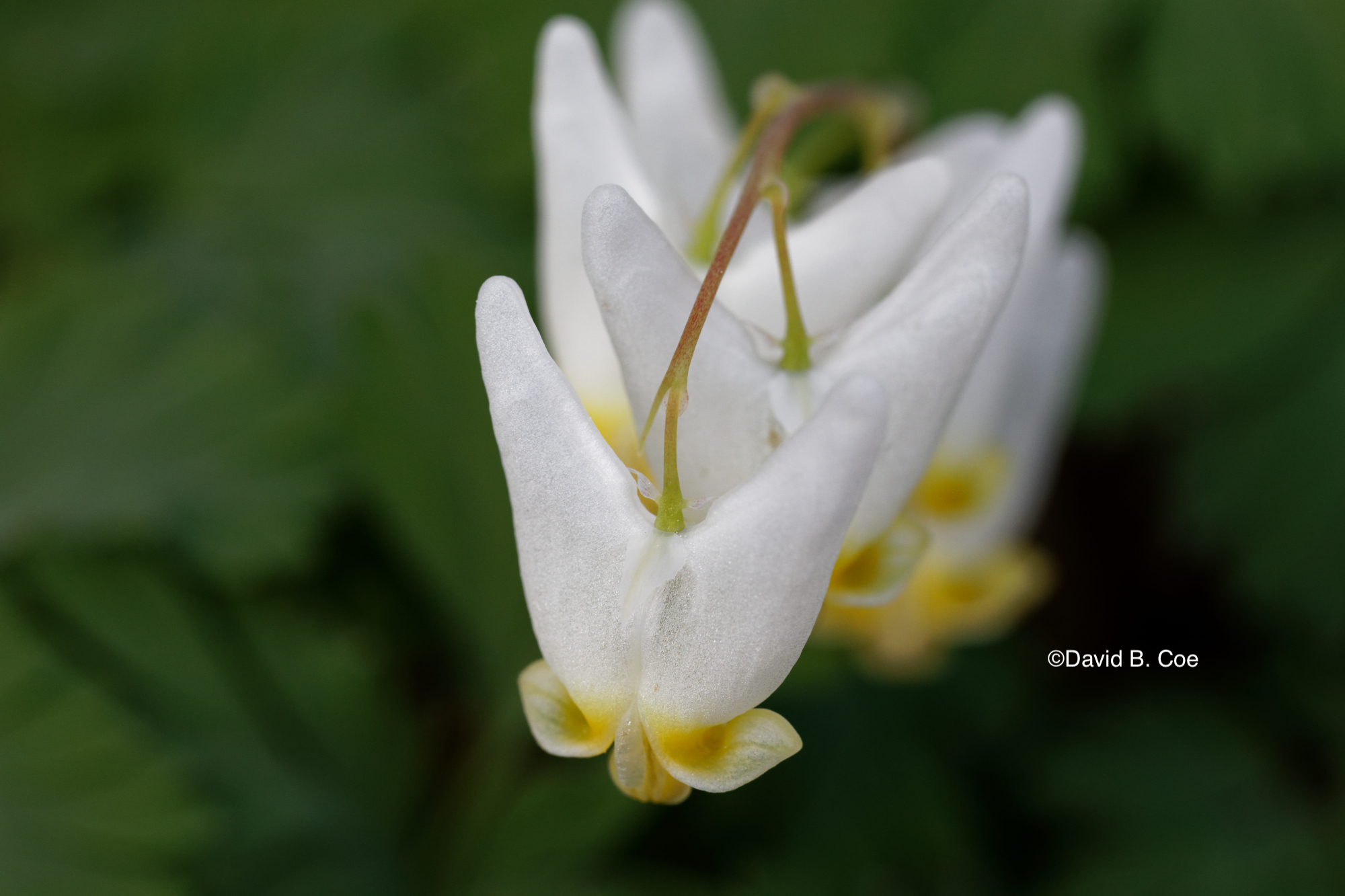
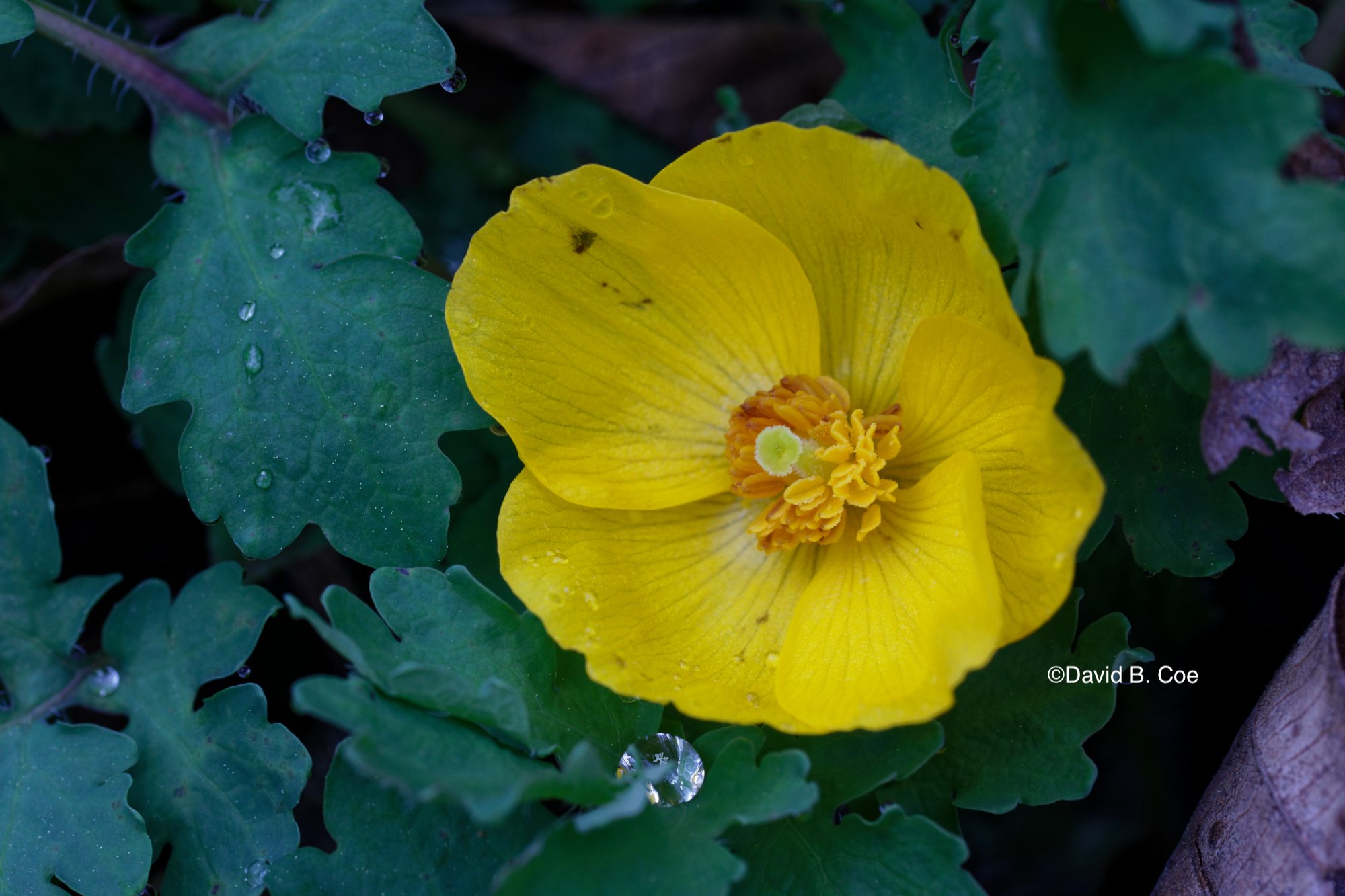
 Last week, I went on a hike and took a bunch of photographs (if you haven’t already,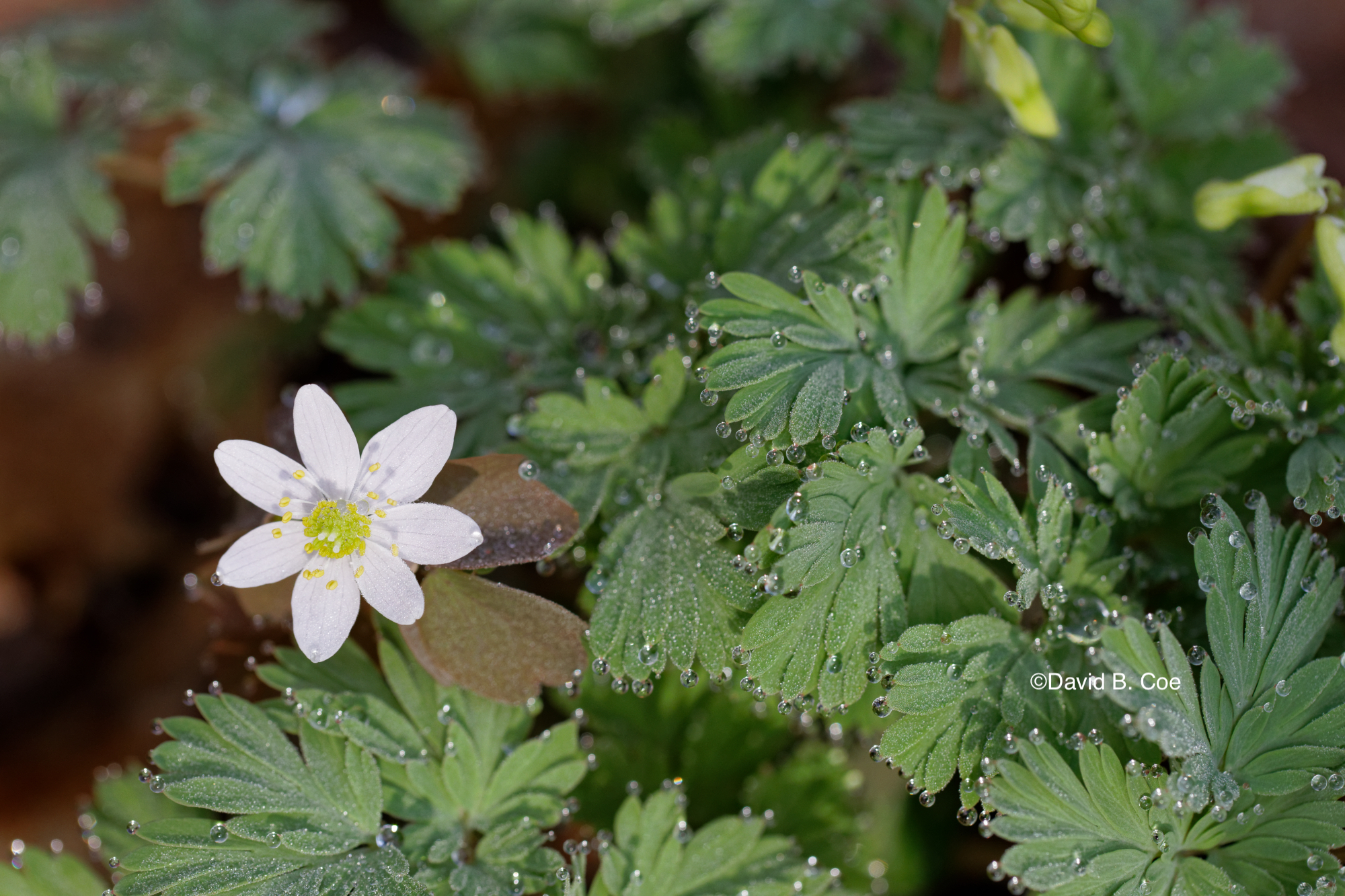
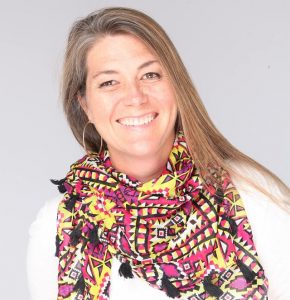 When I finished writing the first draft of The Song of All, I was convinced of two things:
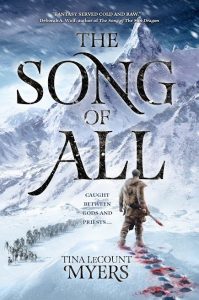 Over the next several months, as I edited The Song of All and honed my query letter, I felt confident saying, “The Song of All is a stand-alone epic fantasy novel with series potential.” After all, I had an outline, a roster of characters, and some heartfelt themes. I knew where the story was going and where it would end up. But when the series sold based on the first book and I began to write the second book, I soon realized that, while I had read tons of books in series, I had little or no idea of how to write one. In my giddy state as a writer with a book contract, I didn’t let this fact stop me. I continued to write the story, knowing that I would need to rewrite it many times, confident that I would learn how to write a series.
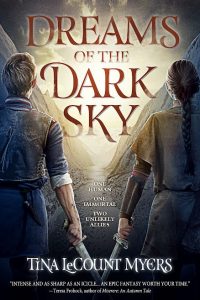 1. Fully explore and flesh out the world-building. For some writers of science fiction and fantasy this might be obvious because world-building is their jam, but for other writers, who are more interested in themes or characters or plot, digging deep into world building might not be their first choice. Nevertheless, the better your understanding of how your world works (geography, socio-economic and political structures, cultural and legal norms, clothing, food, relationships, architecture, magic, etc) the easier it will be to see how the plot will unfold, where the themes might manifest, and how the characters will react.
 4. Upping the stakes without jumping the shark. What keeps someone reading a series? Characters we love (so develop those characters) and the situations they find themselves in. As a reader, I fall in love with characters and want to know what happens to them as they face challenges, but if they face the same challenges over and over it can get boring. I want them to learn and grow from their obstacles. As a writer, creating new challenges for growth can run the risk of going over the top. Killing off everyone that a character loves over a series definitely ups the stakes. But where does it leave your character? And where does it leave your reader? It is a balance between tension and emotional exhaustion, and something which I am still working on.